Where This Job Goes Sideways
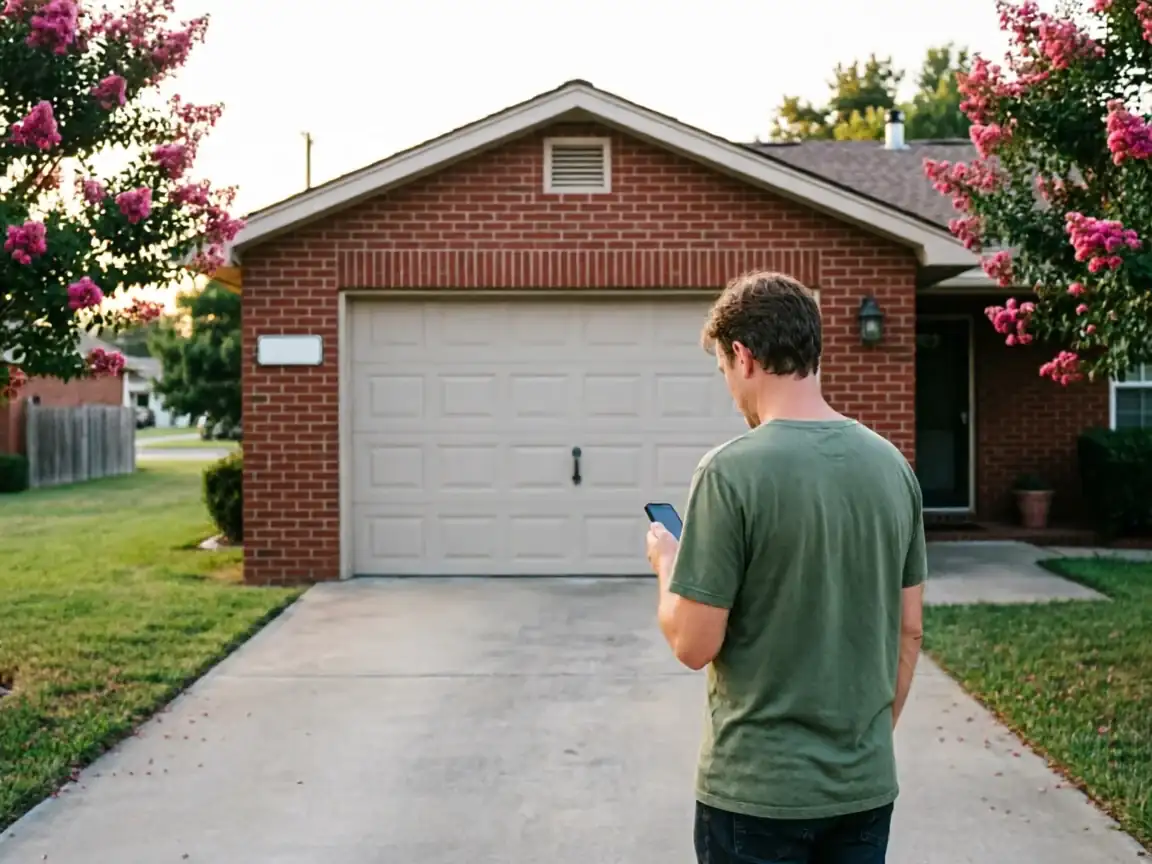
Dickinson's housing stock centers on 1984
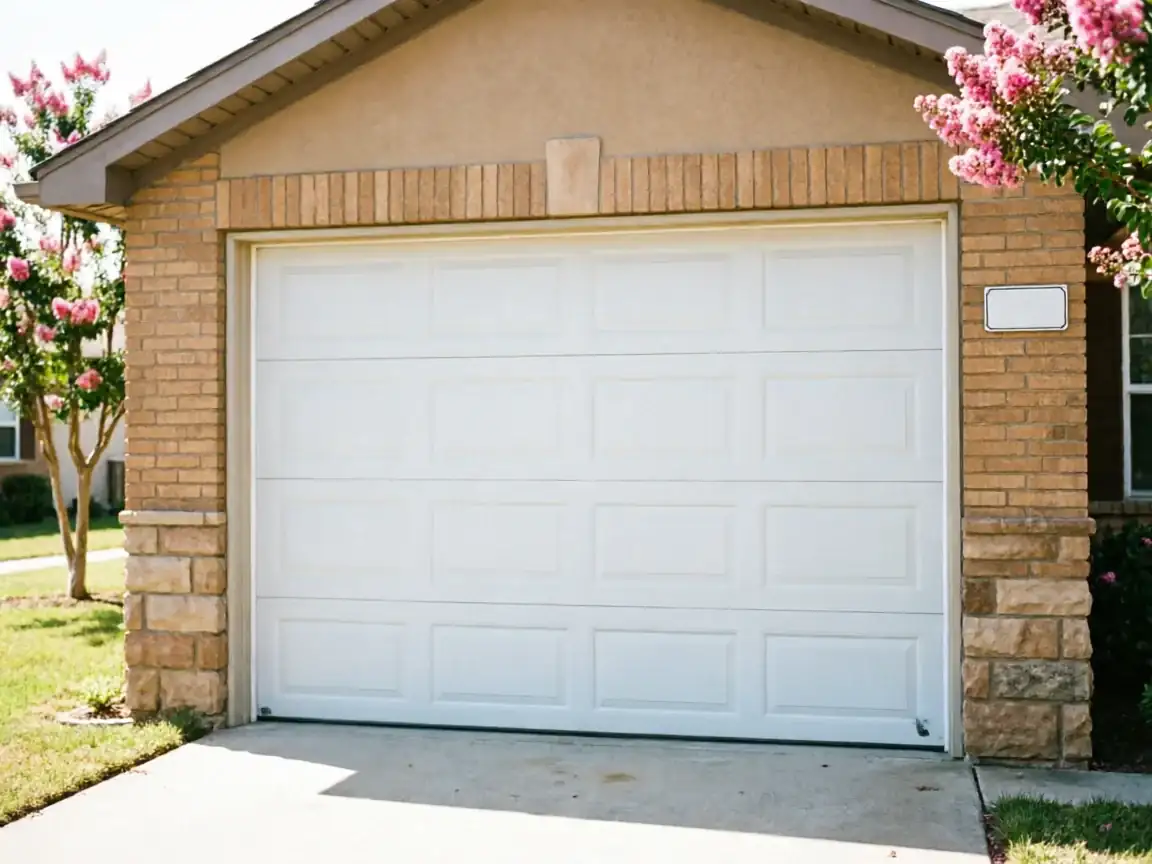
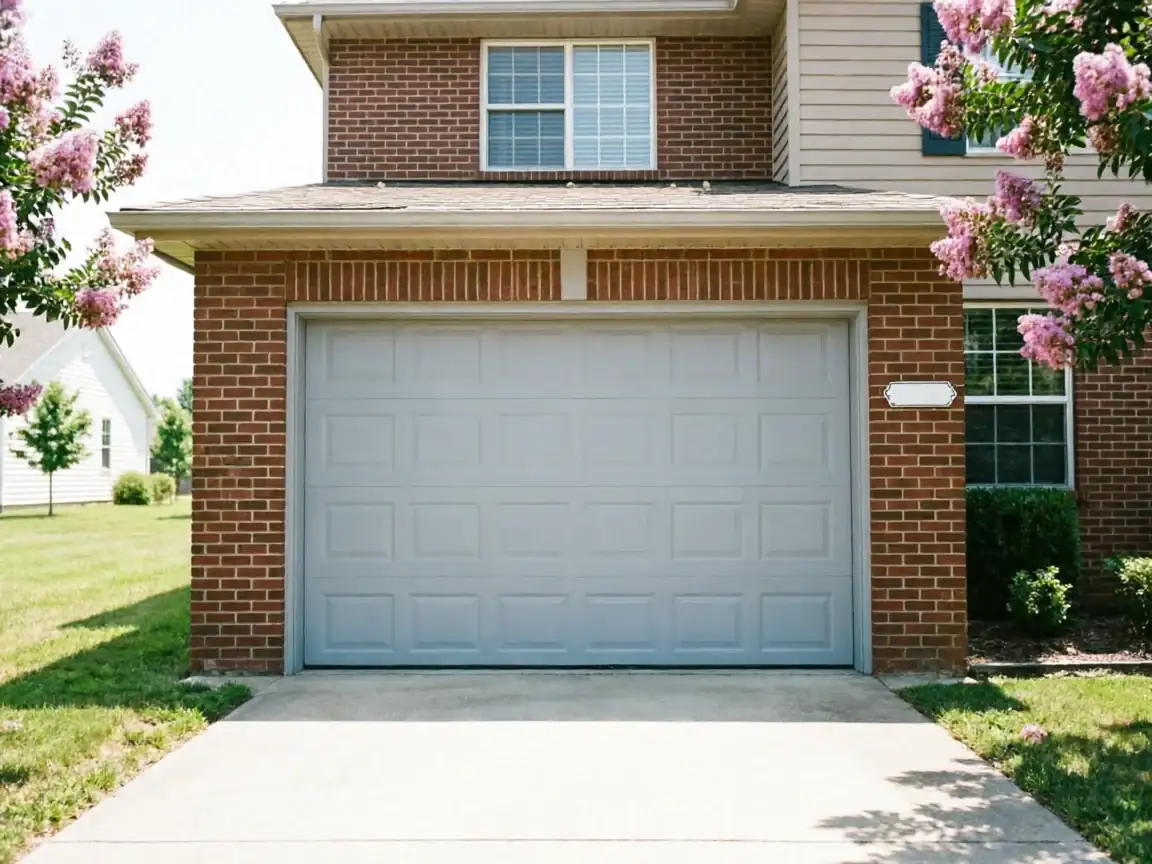
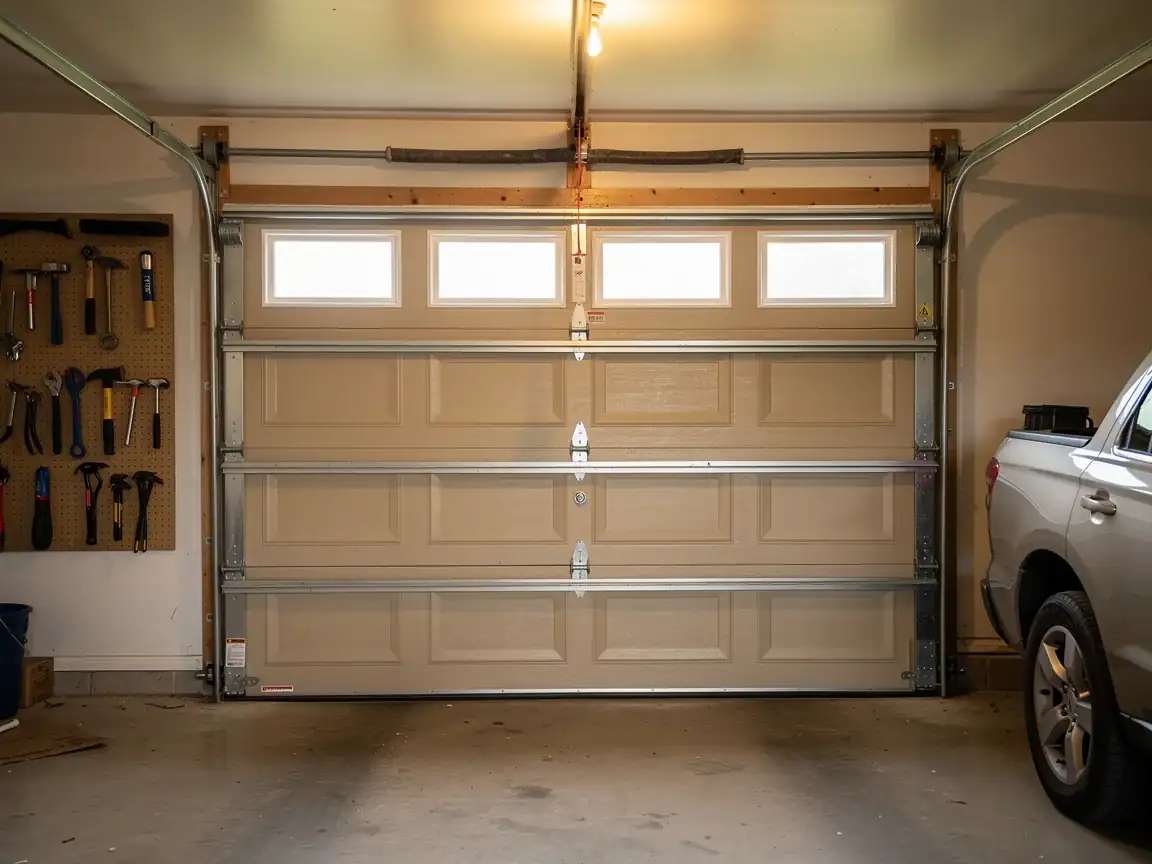
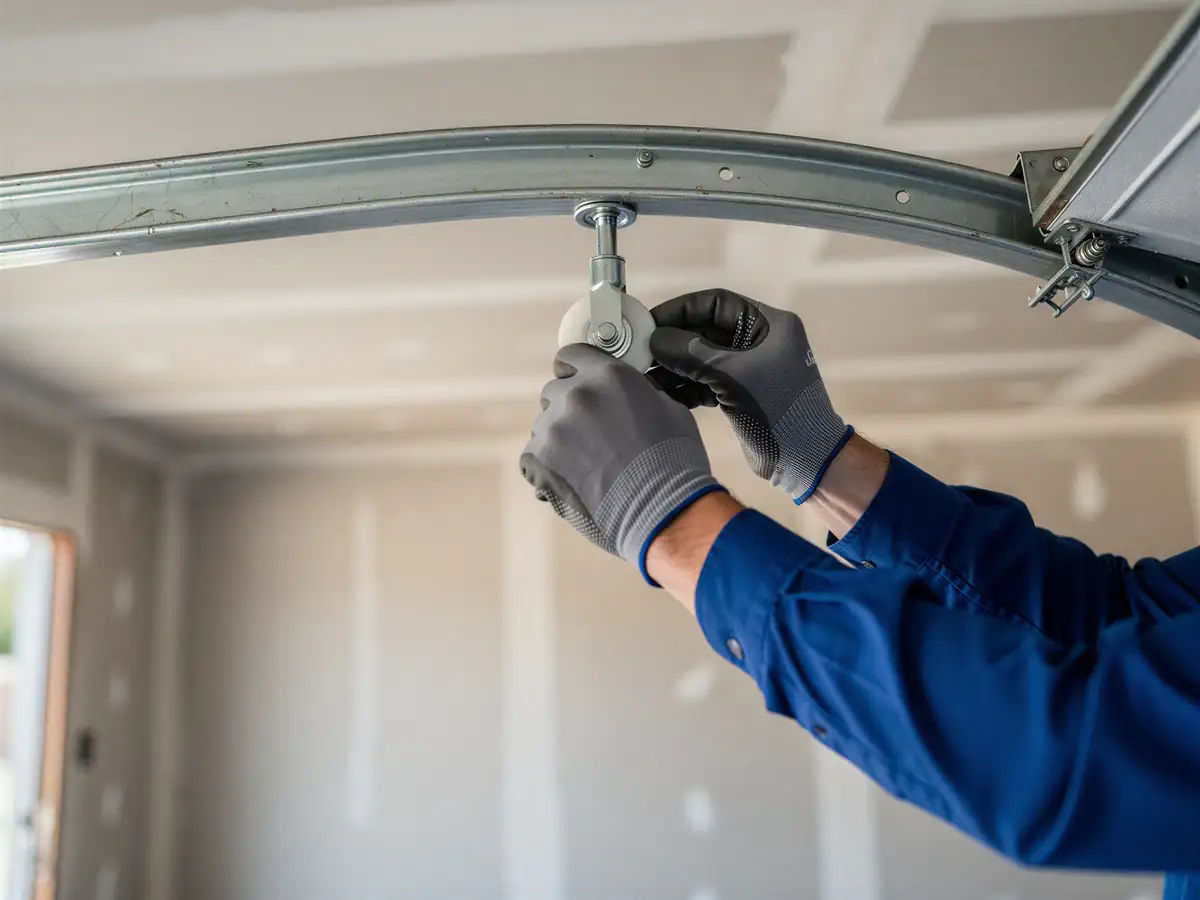
Which puts it ahead of the broader service area's median build year of 1991. That seven-year gap matters more than it sounds. Doors and openers installed in the mid-80s have had close to four decades of cable stretch, hinge wear, and track misalignment working on them, and a lot of that hardware has been quietly replaced piece by piece over the years rather than as a full system. We see torsion springs that don't match the opener, rollers that don't match the track, and photo-eye sensors bolted on as an afterthought to gear that predates them.
That mismatch is the actual failure point
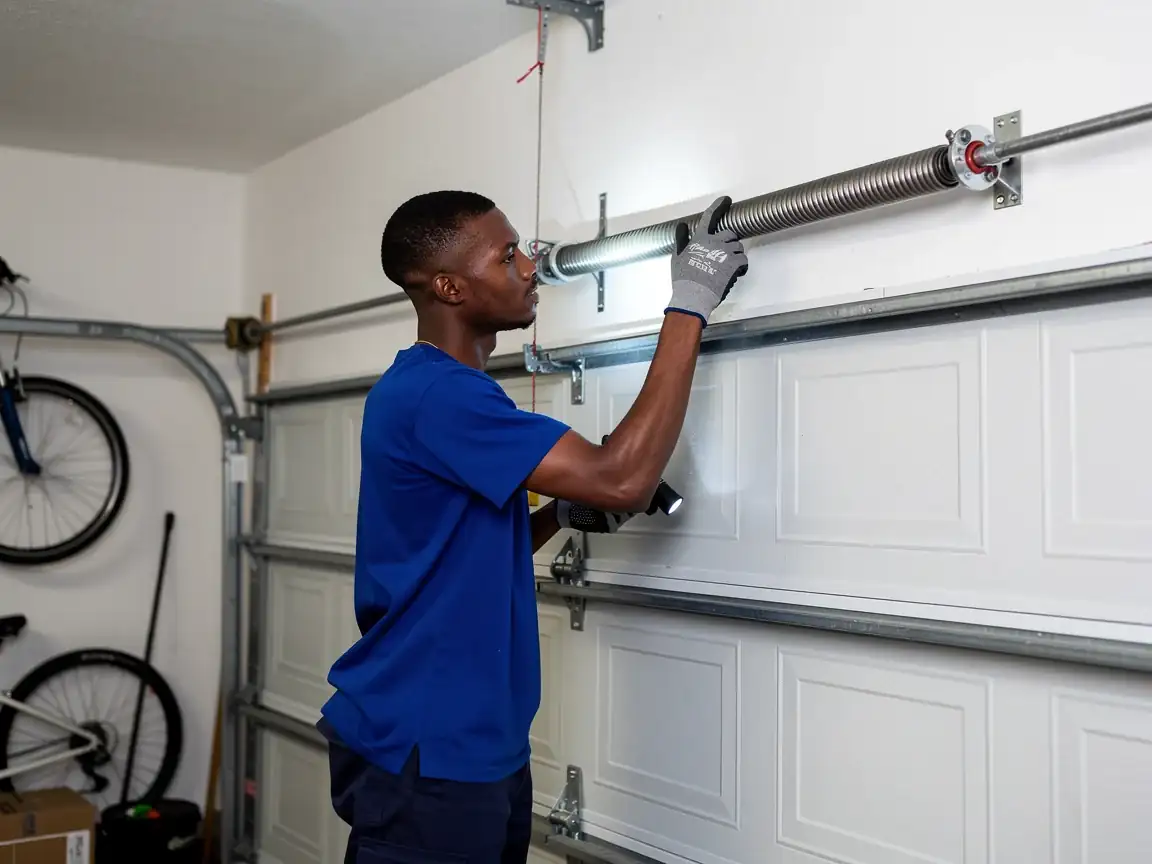
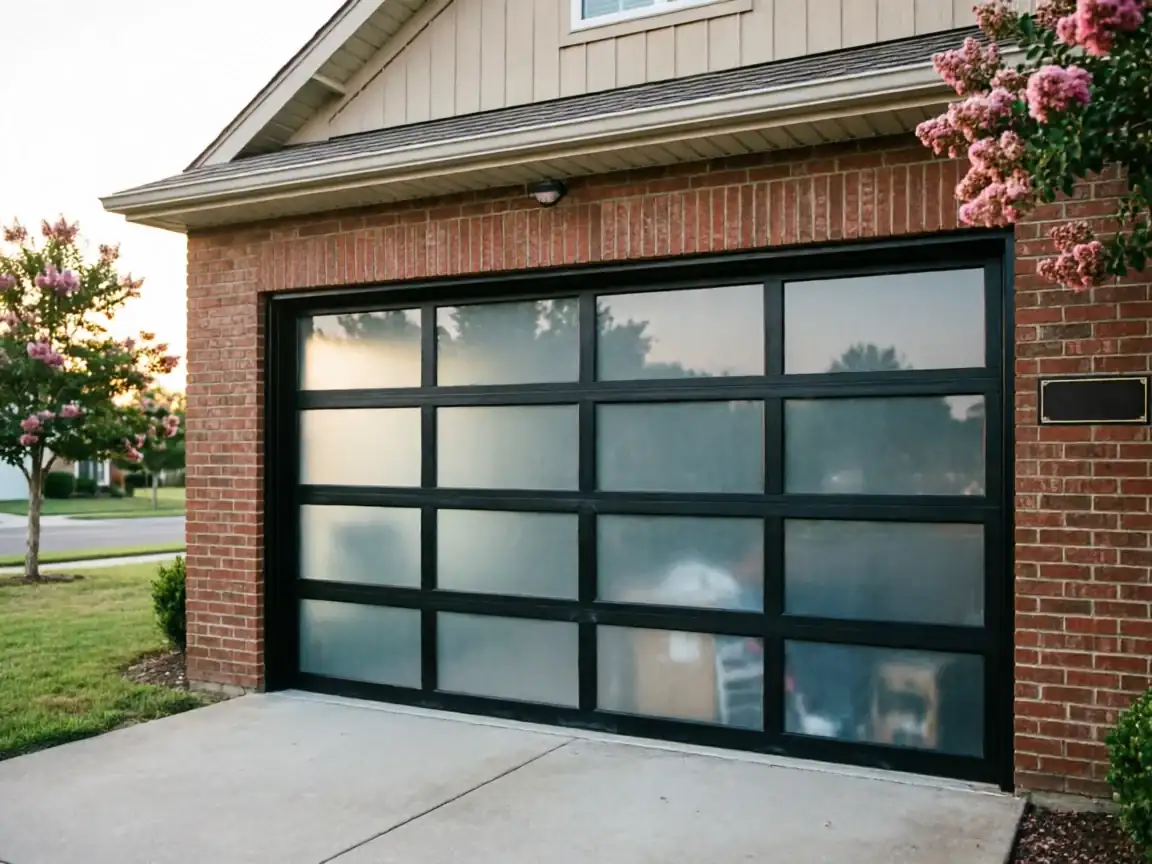
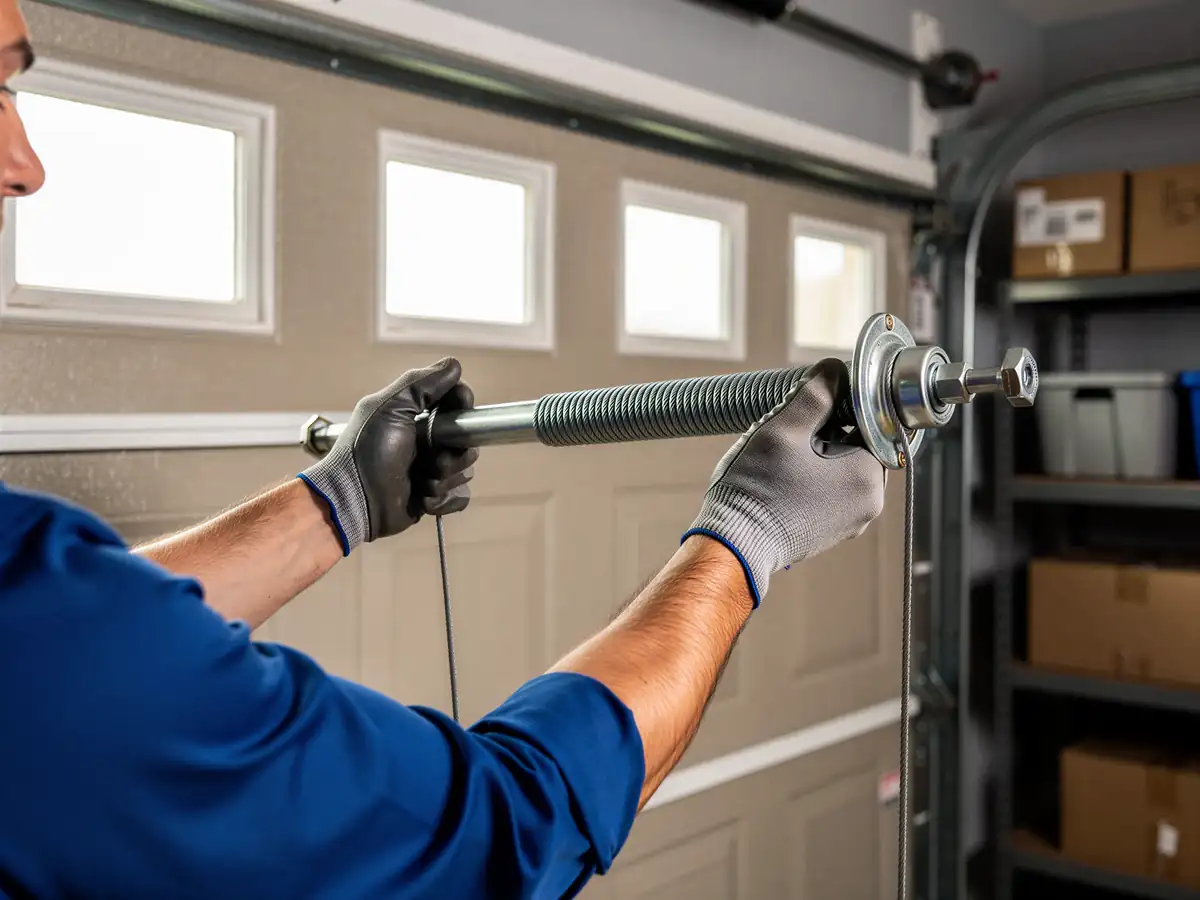
A spring rated for a door that's been resided or re-insulated since installation is carrying a different weight than it was sized for. On a newer-built street that problem doesn't exist yet, because everything is still original to the house. Here it's common. Maintenance in Dickinson isn't just lubrication and a visual check - it's confirming the parts on the door still belong together, and most of what we catch during a tune-up traces back to that 1984-era starting point rather than anything that happened last week.
The DIY Question
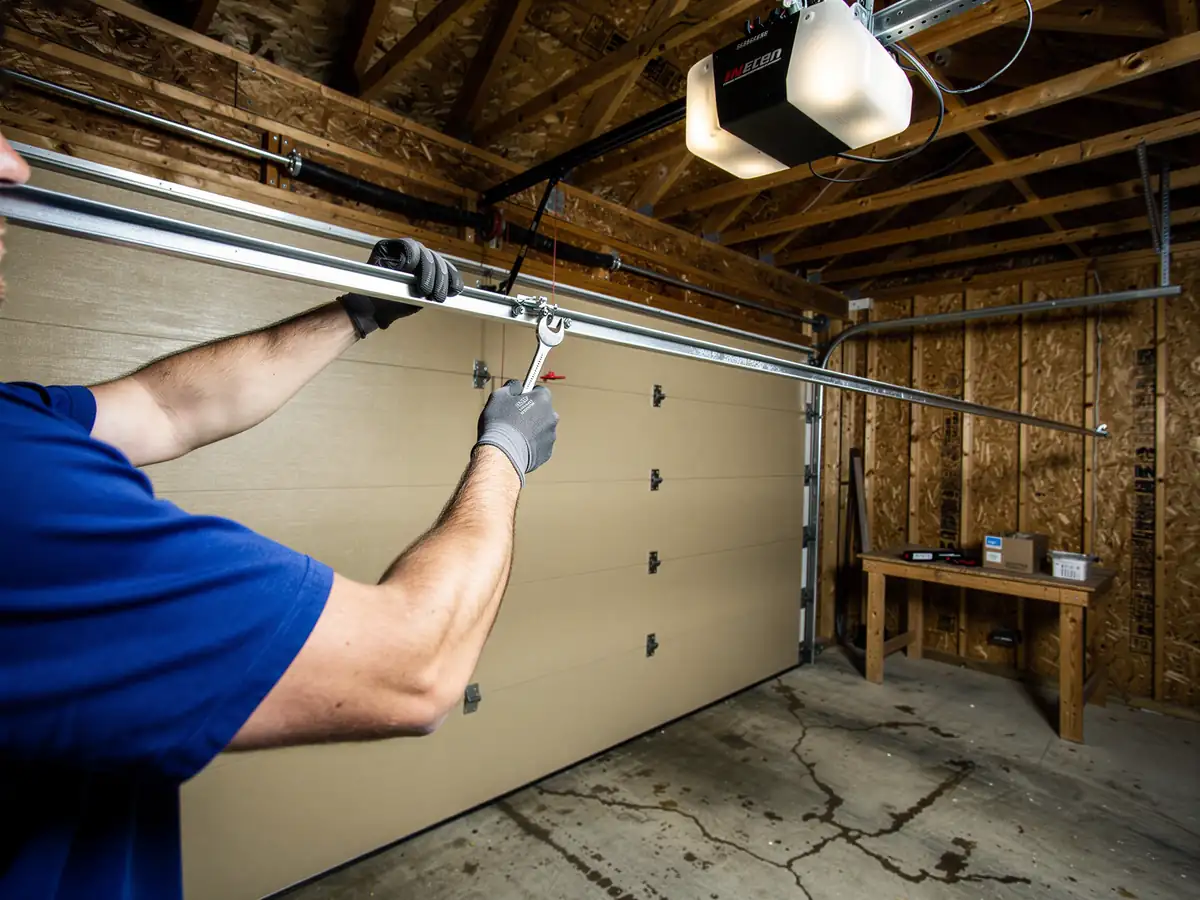
Lubricating hinges and rollers with a garage-door-specific lubricant twice a year is reasonable for a homeowner to do themselves, and we'd rather you did it than skipped it entirely. Checking that the door reverses when it hits an obstruction, and that the photo-eye sensors are aligned and clean, also takes five minutes and no tools.
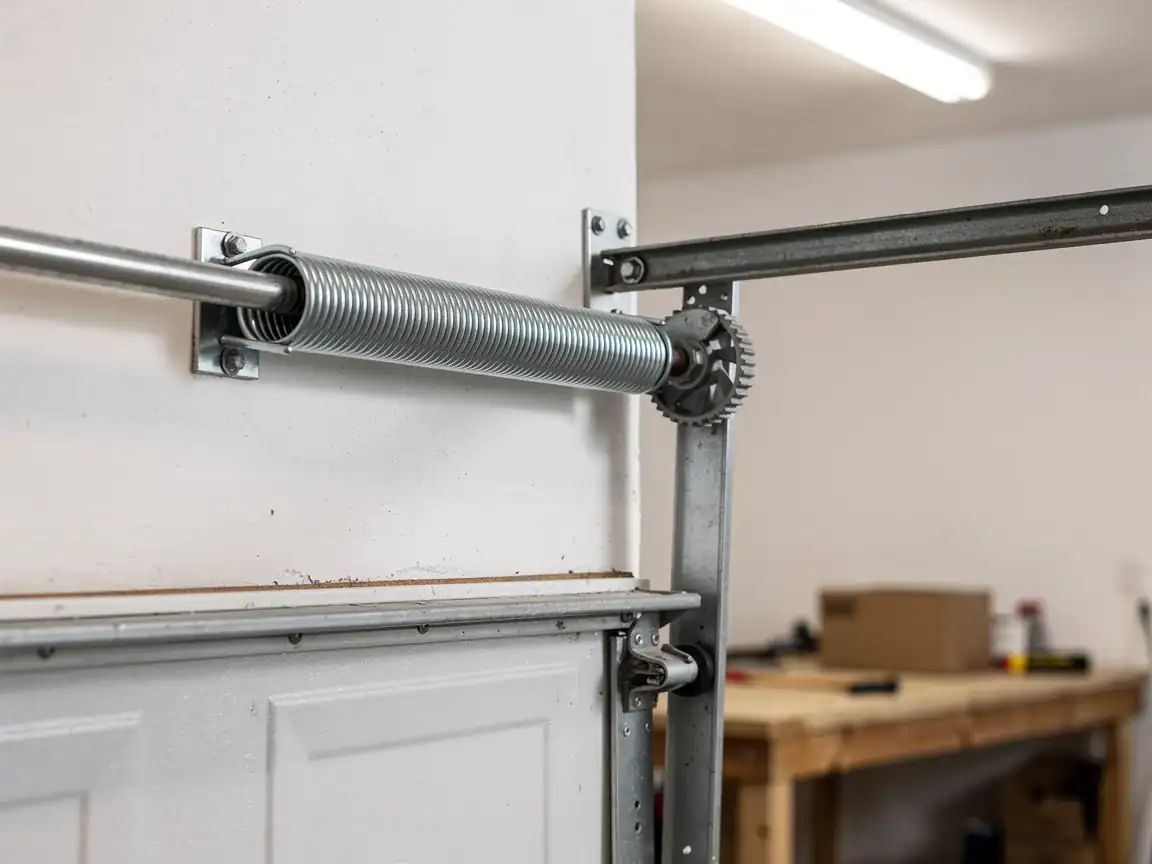
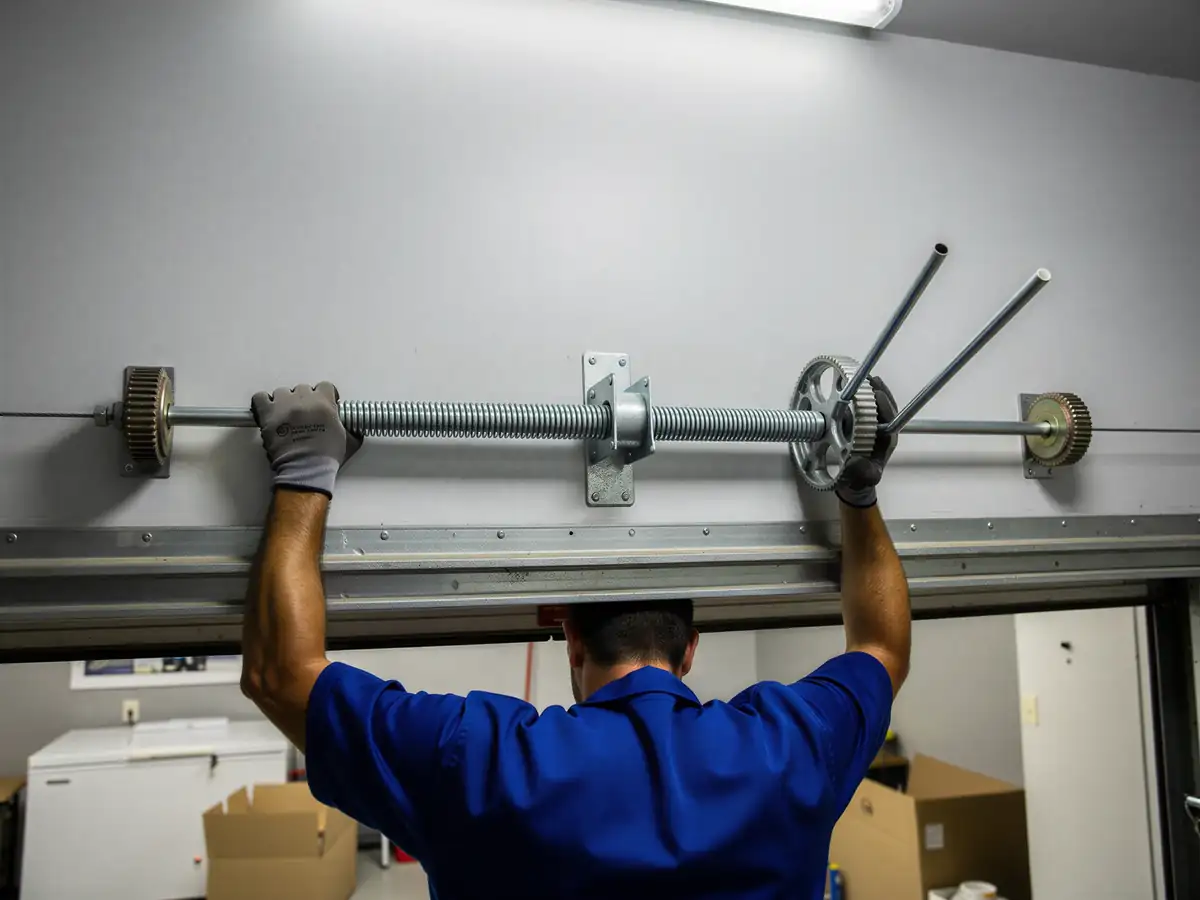
What we don't recommend doing yourself: adjusting torsion spring tension, or touching anything under load. On the 1980s-era doors common in Dickinson, spring systems are often the original sizing paired with newer cable or a replacement opener, and that mismatch isn't obvious to look at. A spring under tension that lets go while someone is adjusting it can break bones. If your door feels heavy when you lift it by hand with the opener disconnected, that's a spring-balance issue, not a lubrication issue, and it's worth a call rather than a wrench.
Stocked Parts
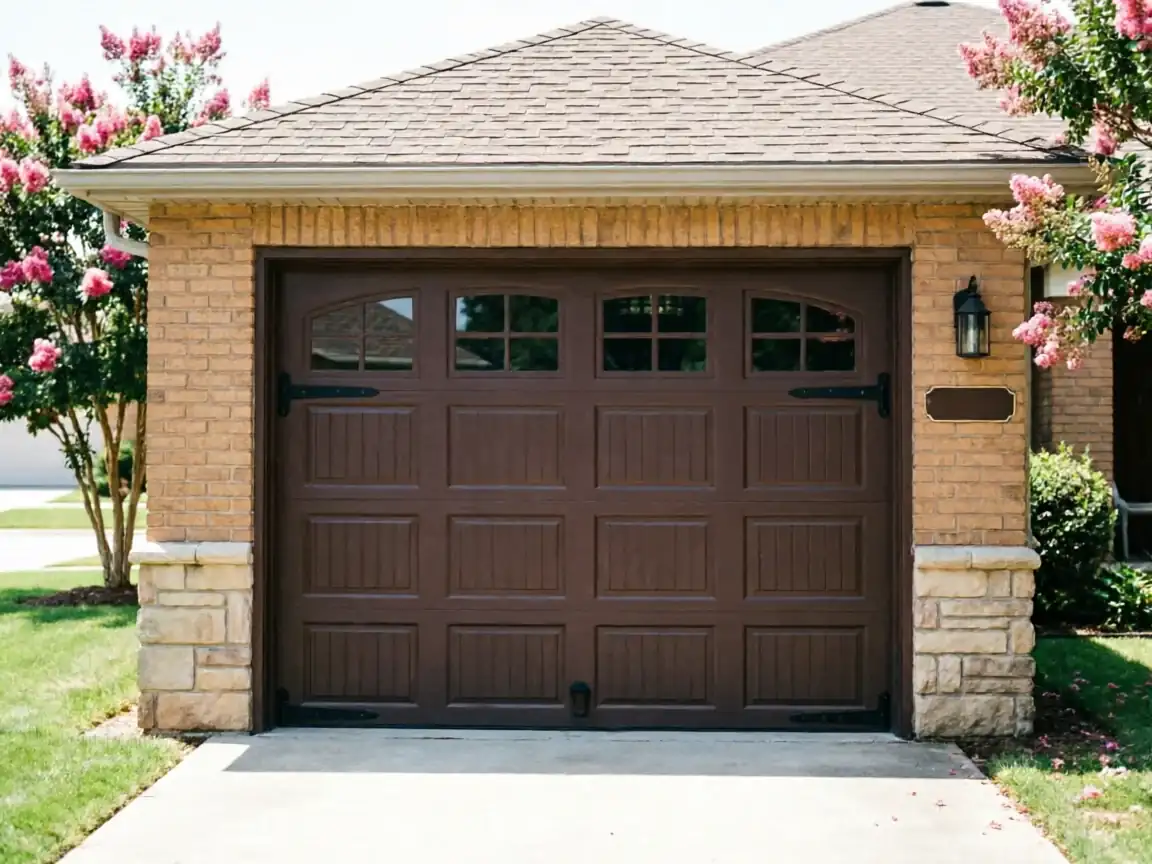
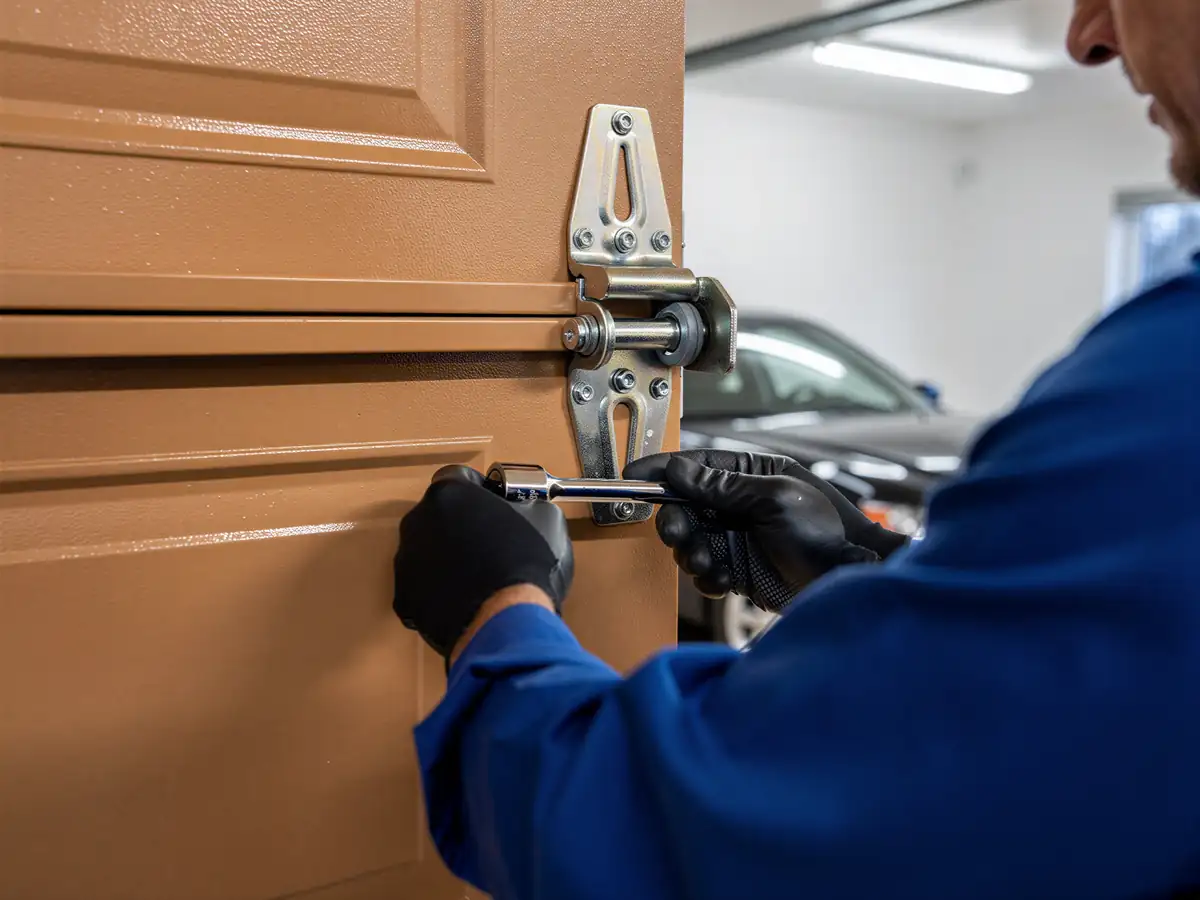
Because so much of Dickinson's door stock traces back to the mid-80s, our truck carries a mix of parts sized for that era alongside the newer sizing most manufacturers use now - extension and torsion springs in both older and current gauges, rollers in steel and nylon, and cable in the lengths that match older track configurations. We don't stock every obsolete part for every door ever built; if your door uses a genuinely discontinued bracket or a panel style nobody's made in twenty years, we'll tell you that on the spot rather than pretend otherwise.
That's the honest limitation worth naming: some repairs on a door this old aren't worth chasing a part for. Past a certain point, replacing the section or the whole door costs less than hunting down a match for hardware that isn't made anymore, and we'll say so rather than run up a bill on a long-shot order.
The Cost of This Job
We're not going to quote a number here we don't have on file, and we don't publish a flat maintenance price without seeing the door. What we can tell you is the context: Dickinson's median household income sits around $82,018, a bit under the wider service area's $85,730, and that gap tends to show up in the kind of call we get - more requests for a straightforward tune-up and parts replacement on an existing door, fewer for a full system swap-out before anything's actually failed. A tune-up visit and a spring replacement are priced differently, and the honest answer on cost is that it depends on what the door needs once we're looking at it, not on a number we can give over the phone.
Time on the Job
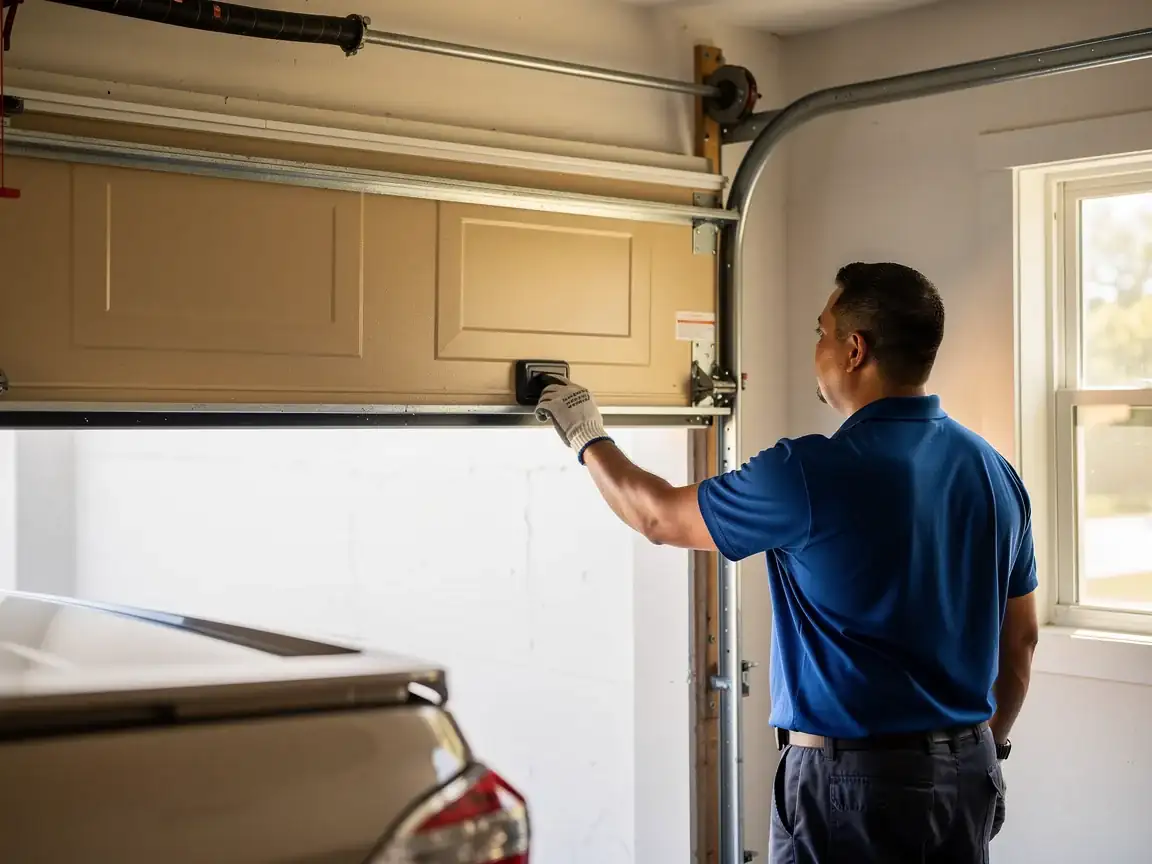
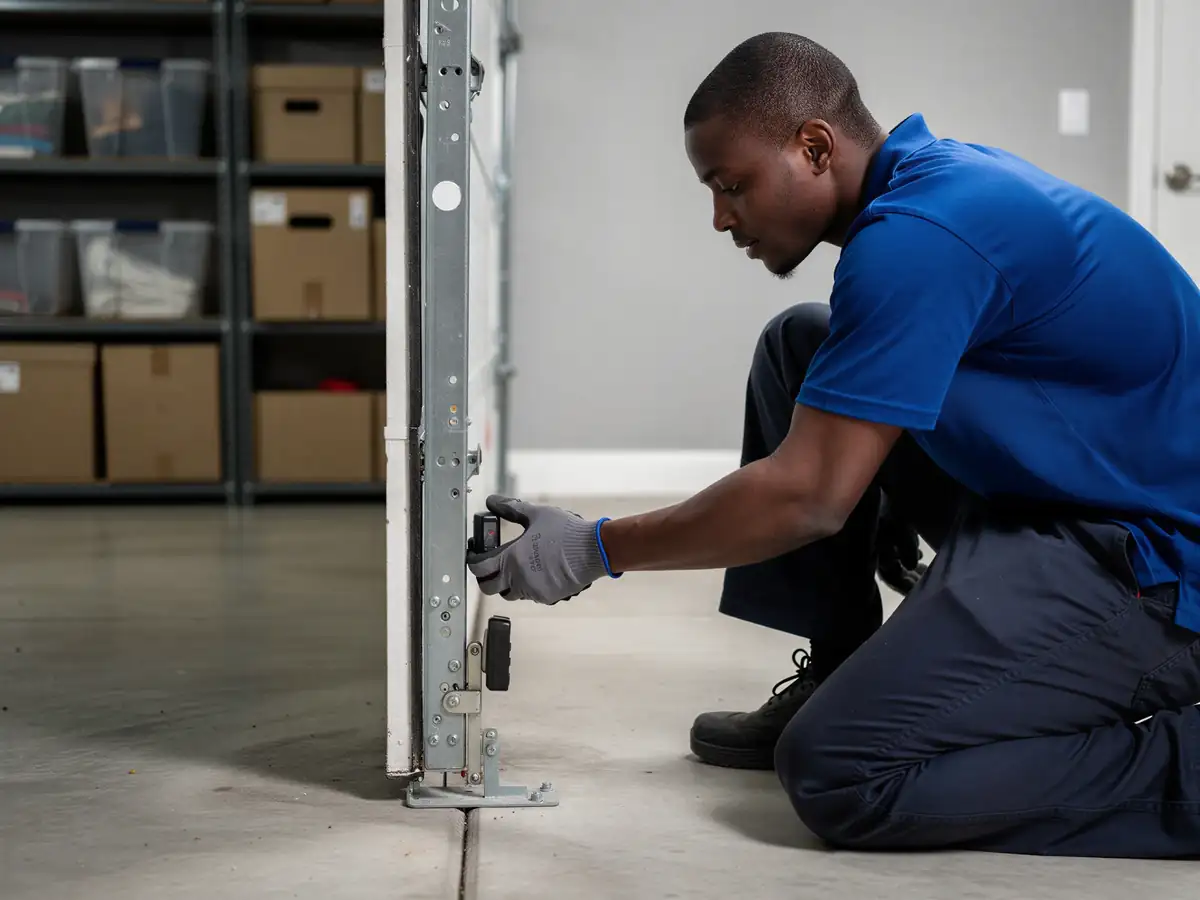
A standard maintenance visit - lubrication, hardware check, balance test, opener force and limit settings, sensor alignment - runs faster than a repair call, because nothing has to come apart and go back together under tension. Where the 1984-era hardware slows things down is in the inspection itself: checking cable condition, roller wear, and whether the spring still matches the door's current weight takes longer on an older door than on one installed in the last decade, simply because there's more to look at and more that's been touched by a previous owner or a previous repair. If something turns up mid-visit - a cracked roller, a cable starting to fray - that gets flagged and quoted before any work on it starts, not bundled in after the fact.