Blog
Why a Door Goes Off Track in Alvin
Alvin houses built mostly in the 1980s and 90s run original steel track that was never meant for Gulf Coast humidity swings. Here's why doors jump track here.
The Problem
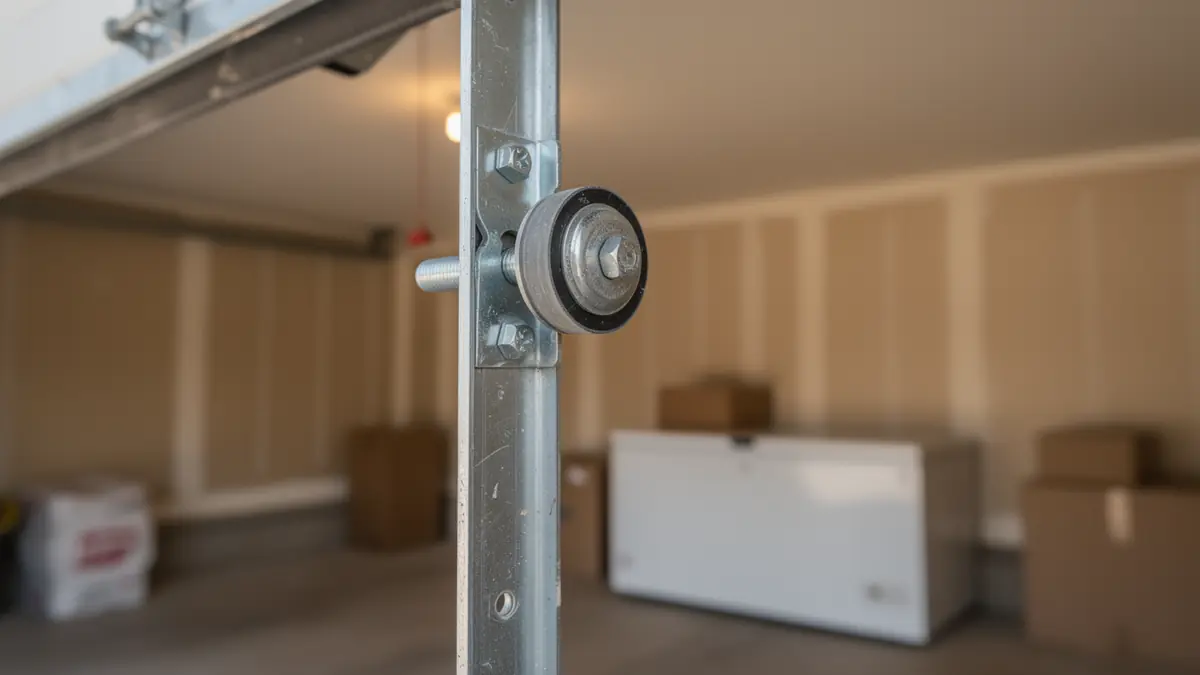
A door off track almost never happens on its own. Something pushes it there first - a roller that's worn down to the bearing, a bent track bracket, or a cable that's slipped off the drum on one side. Once one side of the door is even a little out of line, the rollers stop riding square in the track and start climbing the edge of it. Keep running the opener after that and you'll bend the track itself, which turns a cheap fix into a bigger one.
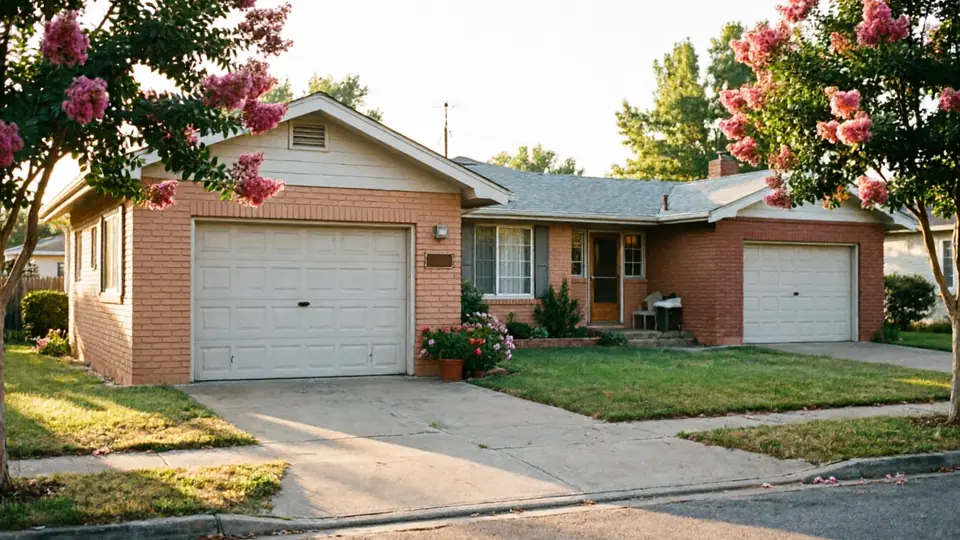
Most of the housing stock in this part of Alvin went up between 1969 and 2014, with the bulk of it dating to the 1980s and 90s. That means a lot of garages still have the original galvanized track and the stamped steel brackets that came with the house. Thirty-plus years of opening and closing wears the roller stems and loosens the lag screws holding the brackets to the framing, and that's where the slack starts. It's not a flaw in the door - it's just age catching up with hardware nobody's looked at since the house was built.
What the Weather Here Does to It
Alvin sits in a mild climate with occasional freezes, not the deep-freeze swings you'd get further north, but the humidity here does its own kind of damage. Steel track and hardware go through repeated damp-to-dry cycles most of the year, and that's enough to rust bracket bolts and pit roller bearings over time even without hard freezes. A rusted bearing doesn't spin smooth anymore - it drags, and a dragging roller is a roller that eventually jumps the track lip instead of rolling through it.
The occasional freeze matters too, even if it's rare. Metal contracts a little in a cold snap, and on a track that's already got loose brackets or a slight bow from years of humidity swelling the wood framing around it, that small contraction is sometimes the last push needed to pop a roller loose. It's not dramatic weather. It's steady, unglamorous wear that adds up over a few decades in a house built in this era.
Doing Nothing For Now
If your door is only slightly off track - it still opens but drags, squeaks, or looks crooked at the top - it's tempting to just keep using it and plan to deal with it later. That's the point where things get worse fast. A door running on a bent track puts uneven load on the opener, the cables, and eventually the spring. Keep opening a door that's fighting its own track and you're not saving the repair, you're adding to it.
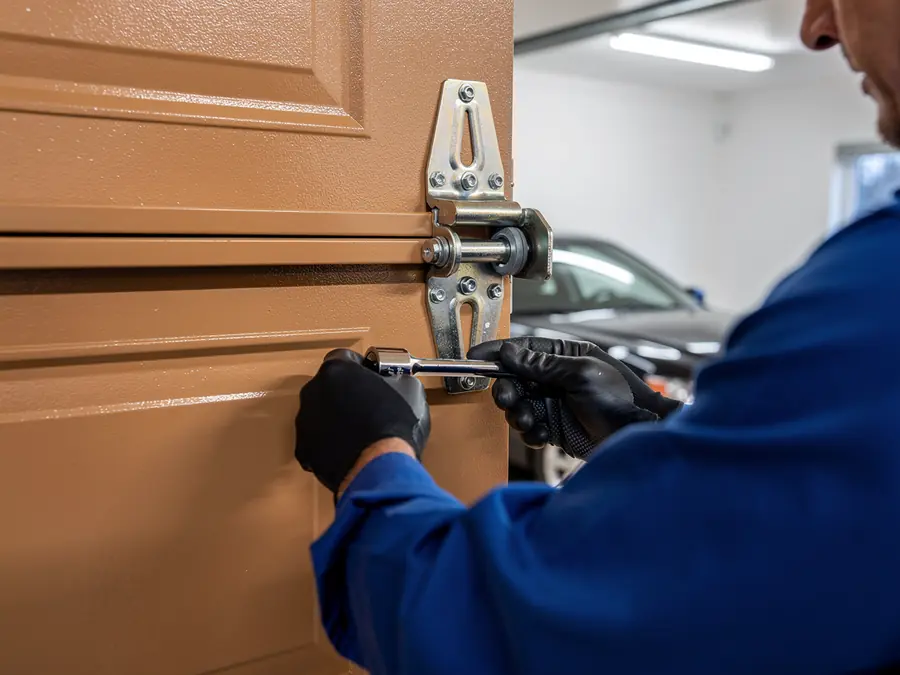
We'll say plainly what we won't do: we don't recommend trying to force a door back into line yourself, especially on a torsion system. The spring holds real tension, and on 1980s and 90s builds the hardware is often original and more brittle than it looks. If a cable or roller lets go while you're pushing on it, that's a hand or a finger in the way of a door panel. This is one of the few jobs where calling it in costs less than the alternative.
What to Check
Before you call anyone, a few things you can look at safely from the ground. Check whether both sides of the door are level when it's down - stand back and sight along the bottom edge. Look at the rollers you can see without climbing: any wobble, rust buildup, or a stem that looks bent out of its housing. Check the track brackets where they bolt to the framing; original 1980s and 90s hardware sometimes has lag screws that have backed out slightly over the years, and you can usually see daylight behind a loose bracket.
Listen for it too. A door that's starting to come off track usually makes a new sound before it fully jumps - a grinding scrape instead of a smooth roll, or a thunk at one specific point in the cycle. If you catch it at that stage, it's often a roller swap and a bracket tightening instead of a full track replacement. Once it's actually derailed, stop running the opener and get it looked at before the track bends further.
Services
Garage door services in Alvin
 01Garage Door RepairAlvin homes built mostly in the 1980s and 90s are hitting the age where torsion springs and worn rollers fail. Here's why, and what the repair actually involves.Read more
 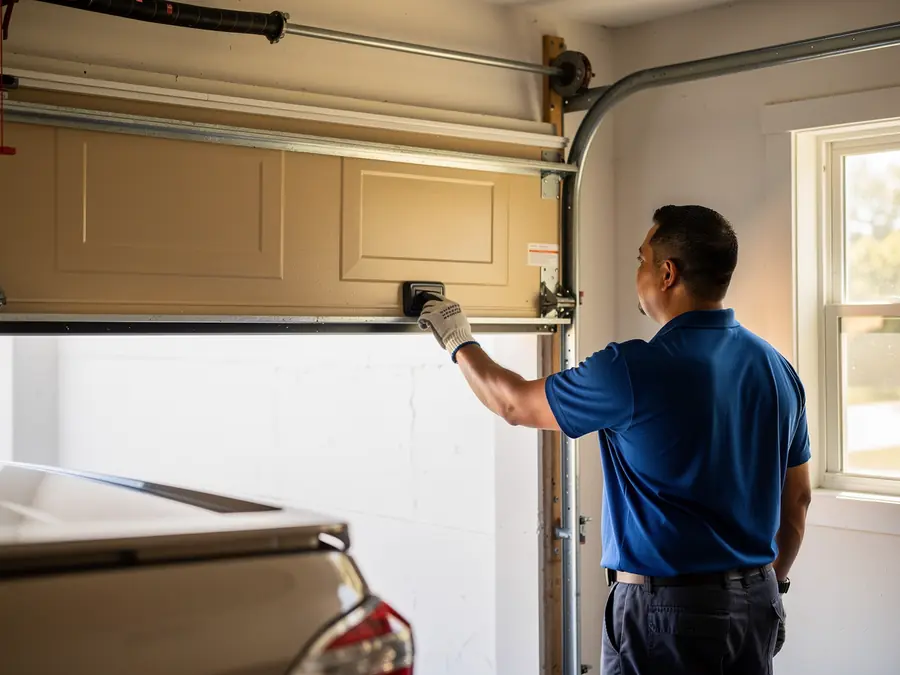 02Garage Door InstallationMost Alvin homes went up between 1969 and 2014, and the original door on a lot of them is past the point where a patch repair makes sense. Here's why.Read more
 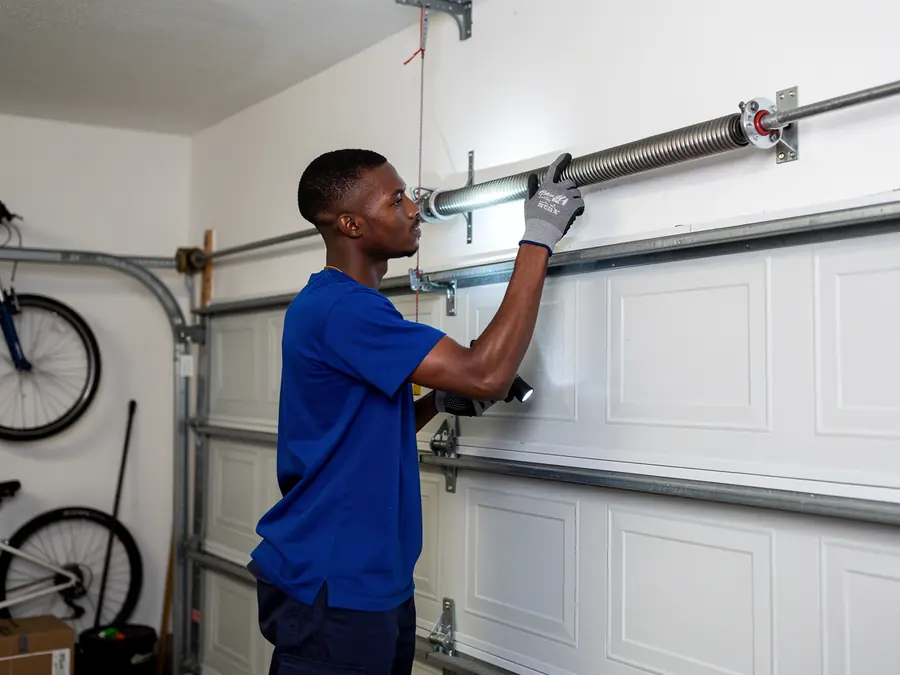 03Garage Door ServiceAlvin homes mostly date to the 1980s and 90s, with original hardware now past its life. We service springs, openers, and tracks built for that era.Read more
 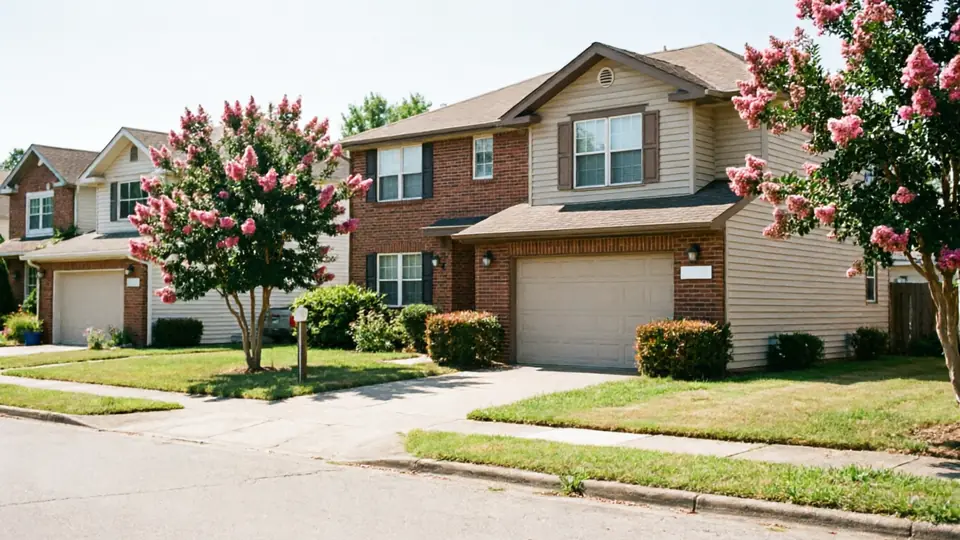 04Opener InstallationMost Alvin houses were built between 1969 and 2014, with the bulk from the 1980s and 90s. That era of openers is why so many calls here start with a dead motor.Read more
  05Spring RepairTorsion and extension spring repair for Alvin homes built mostly between 1969 and 2014, where humidity and original hardware wear springs out early.Read more
 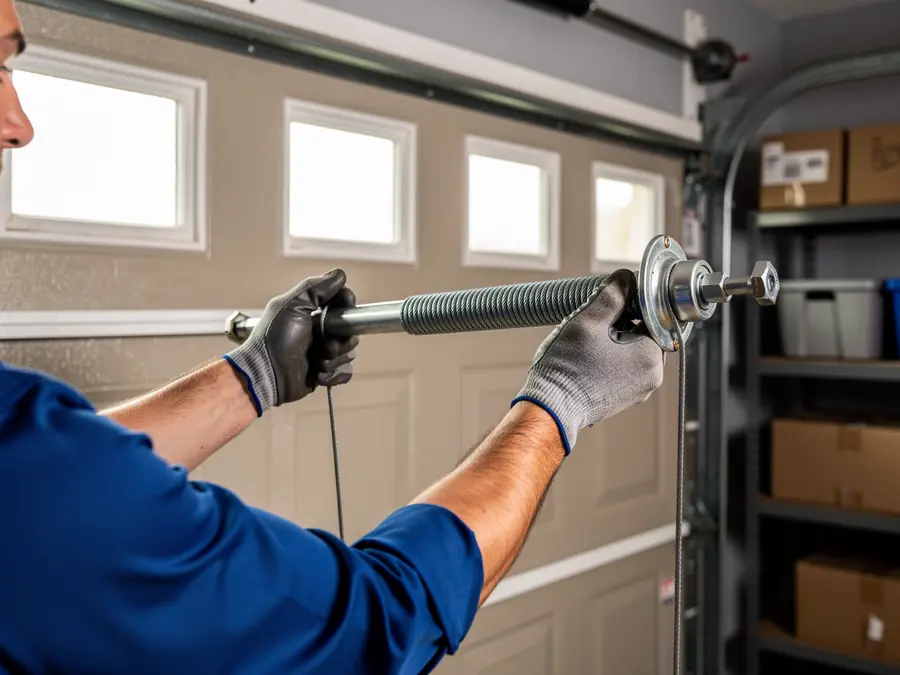 06Cable RepairCable repair for Alvin homes built mostly between 1969 and 2014, where original lift cables and galvanized coatings wear out under Gulf Coast humidity and freeze swings.Read more
 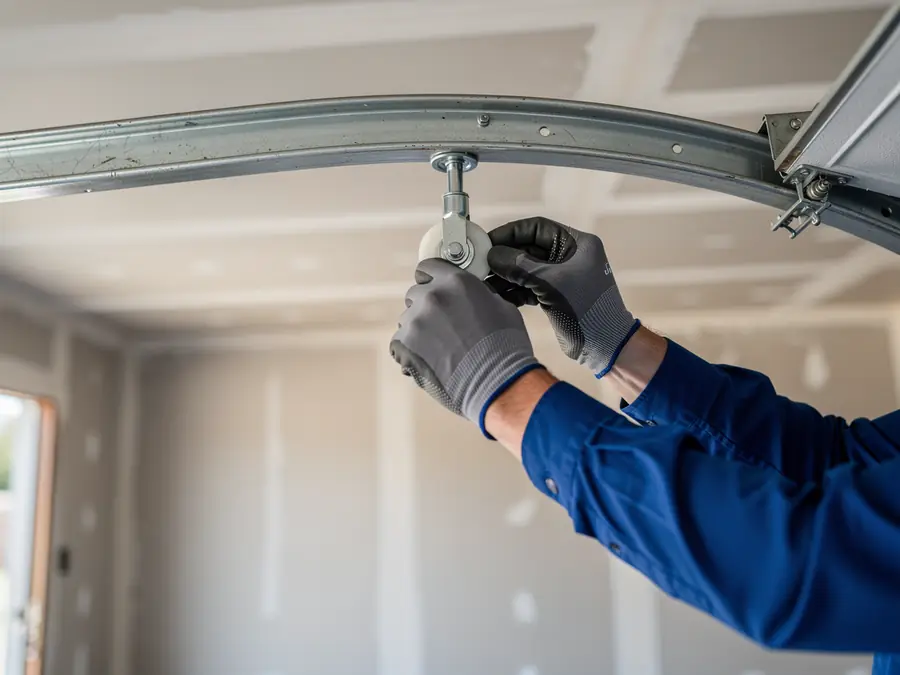 07Roller ReplacementRollers wear out fast on Alvin's 1980s-90s housing stock and mild Gulf climate. See why this fails here, what the repair takes, and how to spot it early.Read more
 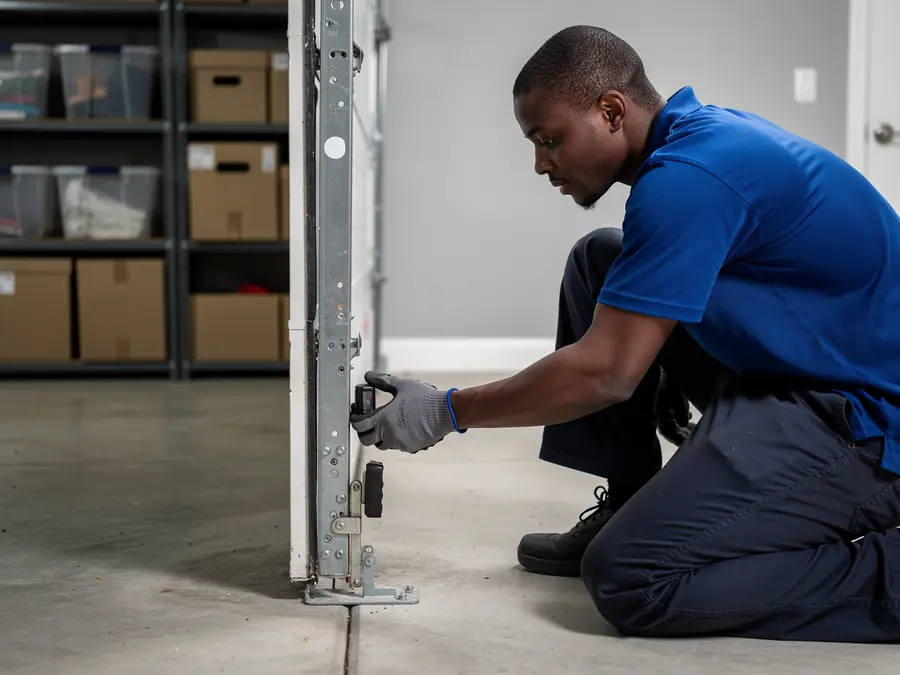 08MaintenanceAlvin homes built 1969-2014 face spring fatigue and track rust from Gulf Coast humidity. Maintenance tuned to this area's housing stock and mild-freeze climate.Read more
FAQ
Questions about this
Why does my door only go off track on one side?
Usually because the wear isn't even - one roller or bracket on that side has degraded faster, often from a slightly damper corner of the garage or more sun exposure on that wall. Houses in this area built in the 1980s and 90s often show this kind of one-sided wear after enough years of humidity cycling.
Can I push the door back onto the track myself?
Not safely if it's a torsion spring system, which most homes here have. The spring carries real tension and a door that's off track can shift unexpectedly while you're handling it. It's one of the jobs worth having looked at rather than fixing by hand.
Is this an age-of-house problem or something anyone could get?
It's more common in homes with original hardware from this housing era - 1969 to 2014 construction, with most stock from the 80s and 90s. Original track and brackets from that period have had decades of humidity exposure most newer installs haven't.
How do I know if it's the track or just a bad roller?
A single bad roller usually causes a localized scrape or thunk at one point in the door's travel. A bent track tends to cause dragging or binding across a wider stretch of the cycle. If the door visibly sits crooked when closed, suspect the track or brackets, not just a roller.
Tell us what your door is doing.
We serve Alvin, TX and nearby communities. Every job starts with a diagnosis, so you know what failed before any work begins.