Blog
Is Your Alvin Garage Door Worth Fixing, or Time to Replace?
Alvin homes mostly date to 1969-2014, median build year 1991, so most garage doors here are hitting 25-35 years old. Here's how to tell if yours is still worth fixing.
The Problem
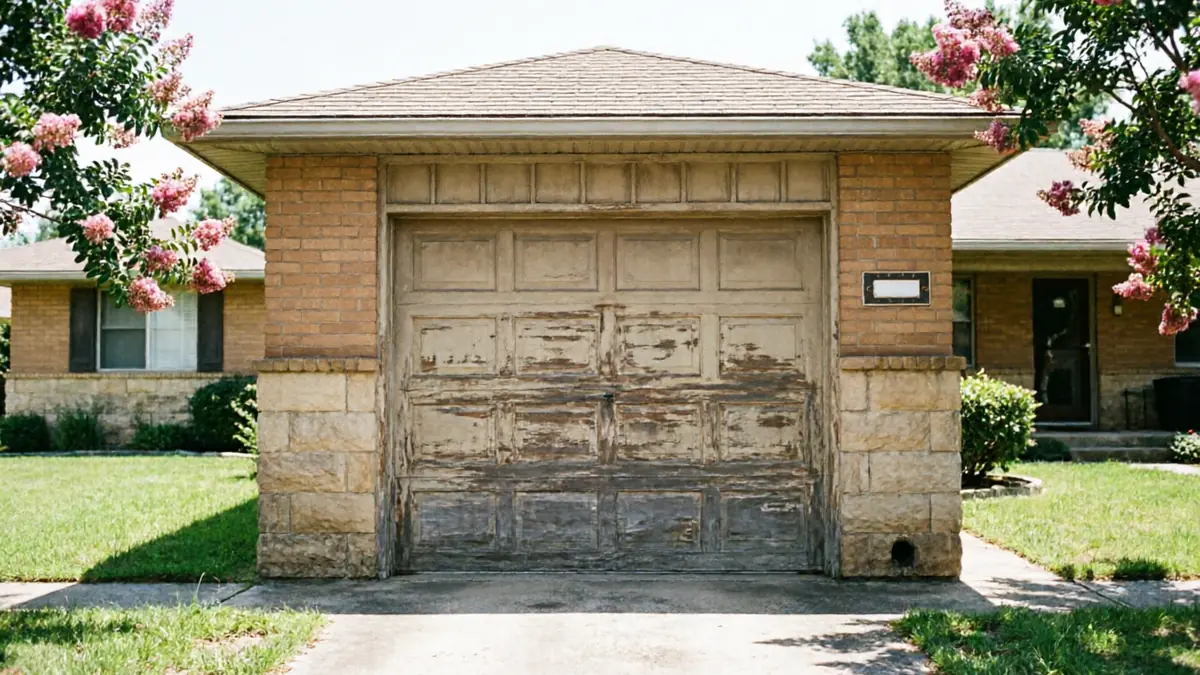
Most houses in Alvin and the eighteen named areas around it went up between 1969 and 2014, with the median build year sitting at 1991. That means a huge share of garage doors in this service area are somewhere between 25 and 35 years old right now - original door, often original opener, sometimes original springs if nobody's touched it. A door that age isn't automatically junk, but it's old enough that the question stops being "does it still open" and starts being "what's actually left in it worth saving." We see a lot of 1980s and 90s stock: steel panels with thinner gauge than what's made today, galvanized torsion springs rated for a 7-10 year cycle that have outlived two or three of their expected lifespans, and openers with chain drives and logic boards nobody's made parts for in over a decade. The door itself - the panel section - often outlasts everything attached to it. That's the part worth knowing before you decide to replace the whole unit instead of just the parts that failed.
What the Weather Here Does to It
Alvin sits in a mild climate band with occasional freeze, not the brutal freeze-thaw cycles that crack concrete up north, but enough cold snaps a few nights a year to matter on metal that's already fatigued. The bigger factor is humidity working on steel for three decades straight - springs and track hardware here rust from the inside of the coil out, not just on the visible surface, which is why a spring can look fine and still be down to a fraction of its rated strength. On a door built in the 1980s or 90s, that slow rust is usually further along than the finish lets on. Occasional freeze also means condensation forms and sits on unheated garage slabs more than owners expect, which speeds up corrosion at the bottom bracket and roller ends - the parts closest to the floor and hardest to see without actually bending down and checking. None of this is dramatic weather. It's just steady, and over 25-35 years it adds up on hardware that was never built to be inspected, just installed and forgotten.
Doing Nothing For Now
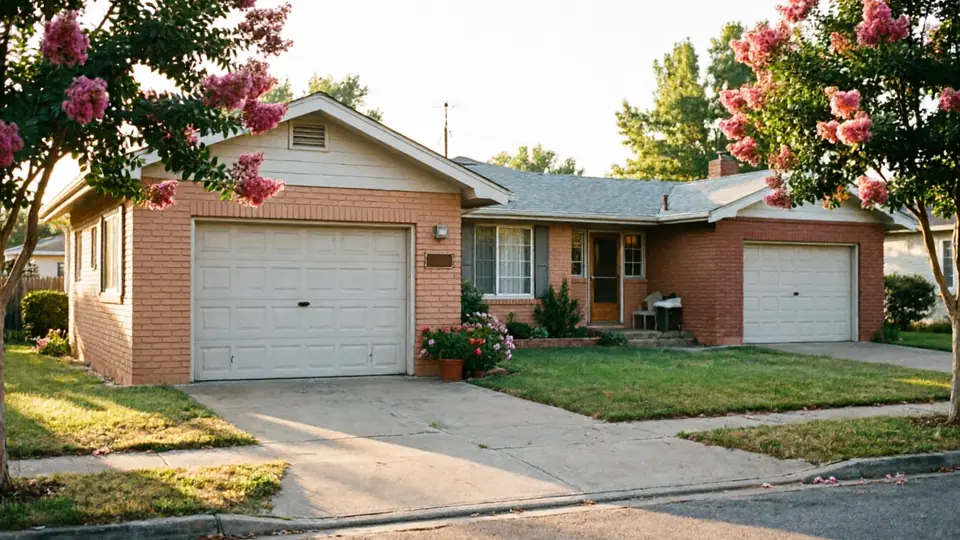
If your door is from that same era - 1980s or 90s build, original spring and opener - doing nothing isn't automatically the wrong call. A door that's rusty but balanced and running quiet can go on for a while. Where we draw the line: if the spring is original, it's past due regardless of how it sounds right now, because a sudden break on a double door under tension is the one failure mode that can hurt someone. Here's the honest limit on our end - if your opener is a chain-drive unit from that same original build and the logic board fails, we often can't source an exact replacement part anymore. At that point swapping the opener head (not the whole door) is usually the fix, and we'll tell you that straight instead of pretending a part exists that doesn't. Waiting on a bad spring to save money almost always costs more once it takes out a cable or bends a track on its way down.
What to Check
On a door that matches Alvin's typical 1980s-90s build window, check these before deciding fix or replace. First, the spring: look for rust flaking at the coils and gaps between coil wraps where there shouldn't be any - that's stretch, and it's original-age fatigue. Second, the bottom brackets and rollers, since ground-level humidity hits those hardest over 25-35 years. Third, panel rust-through versus surface rust - surface rust on steel panels is cosmetic, rust-through at seams means the panel's structurally done. Fourth, the opener: if it's a chain-drive with a visible manufacture date sticker from the original build, ask whether a replacement board is even still made before paying for a board swap. If three of these four come back fine, you're usually looking at a repair, not a replacement, and that's worth knowing before anyone quotes you a new door.
Services
Garage door services in Alvin
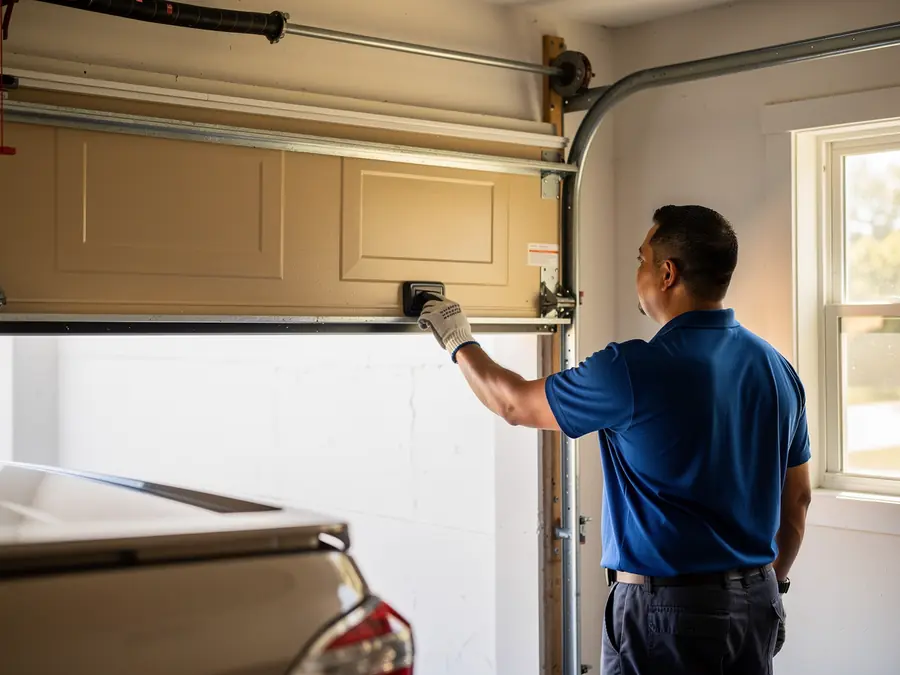
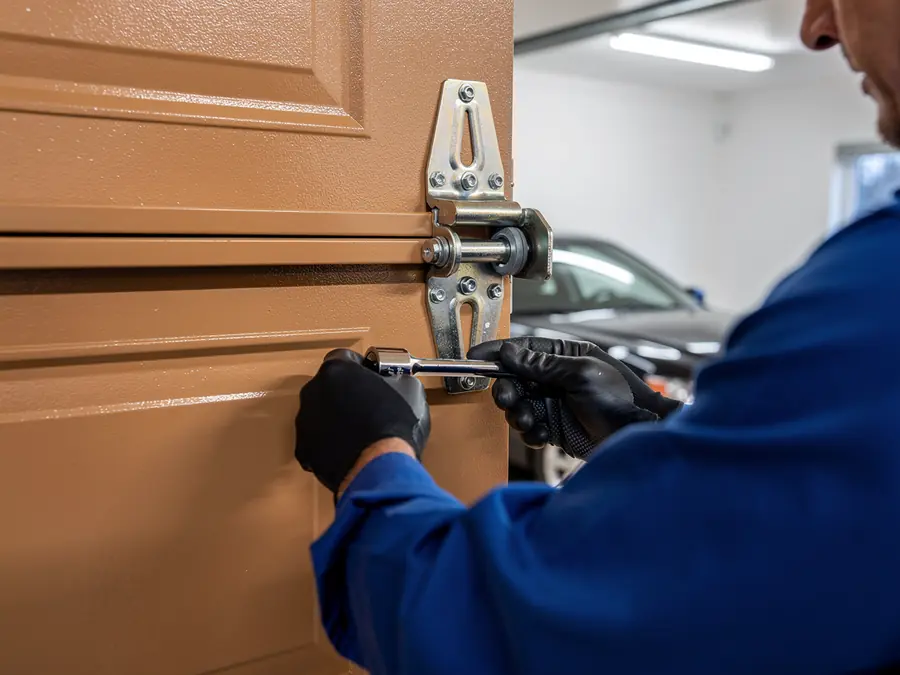 01Garage Door RepairAlvin homes built mostly in the 1980s and 90s are hitting the age where torsion springs and worn rollers fail. Here's why, and what the repair actually involves.Read more
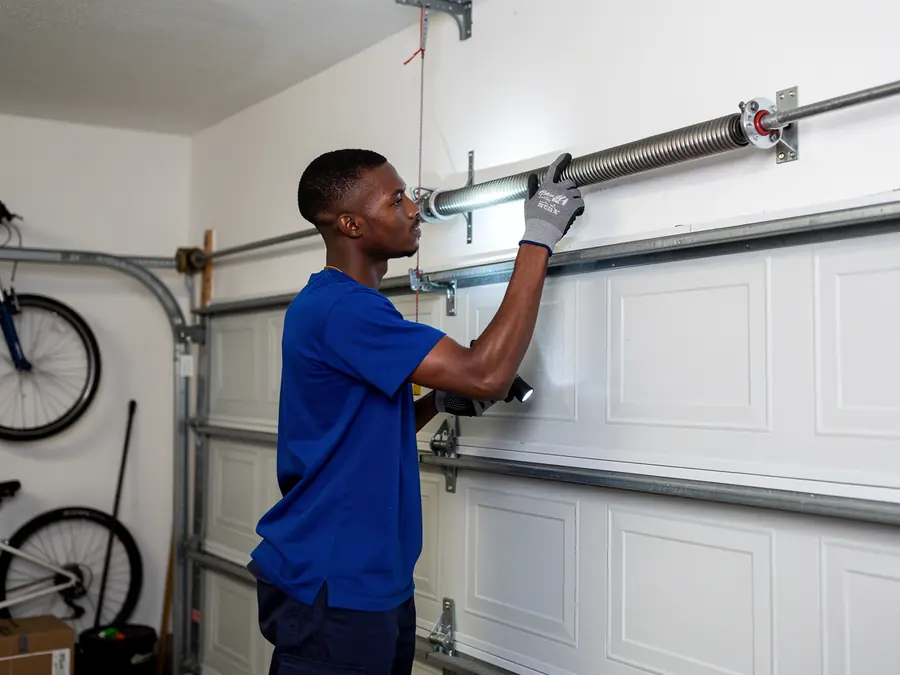
  02Garage Door InstallationMost Alvin homes went up between 1969 and 2014, and the original door on a lot of them is past the point where a patch repair makes sense. Here's why.Read more
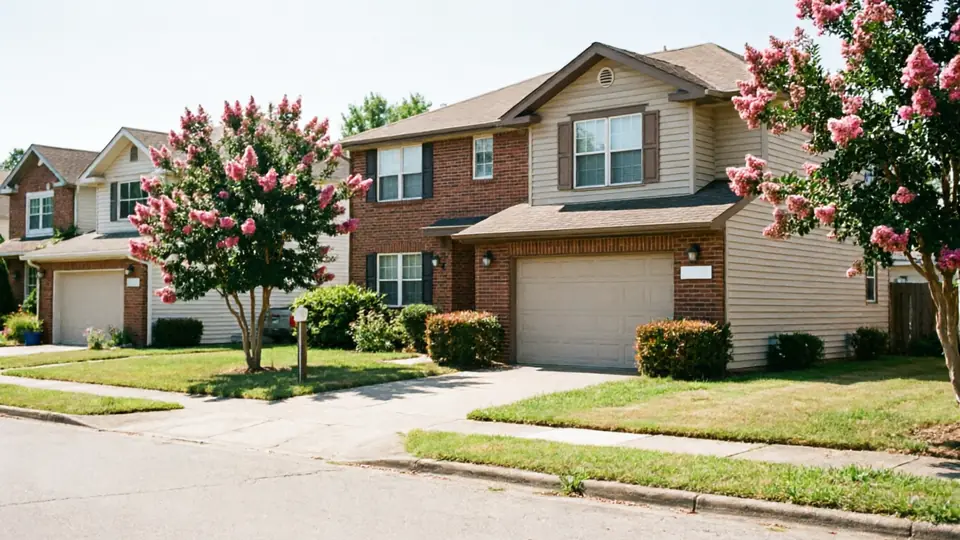
  03Garage Door ServiceAlvin homes mostly date to the 1980s and 90s, with original hardware now past its life. We service springs, openers, and tracks built for that era.Read more
  04Opener InstallationMost Alvin houses were built between 1969 and 2014, with the bulk from the 1980s and 90s. That era of openers is why so many calls here start with a dead motor.Read more
  05Spring RepairTorsion and extension spring repair for Alvin homes built mostly between 1969 and 2014, where humidity and original hardware wear springs out early.Read more
 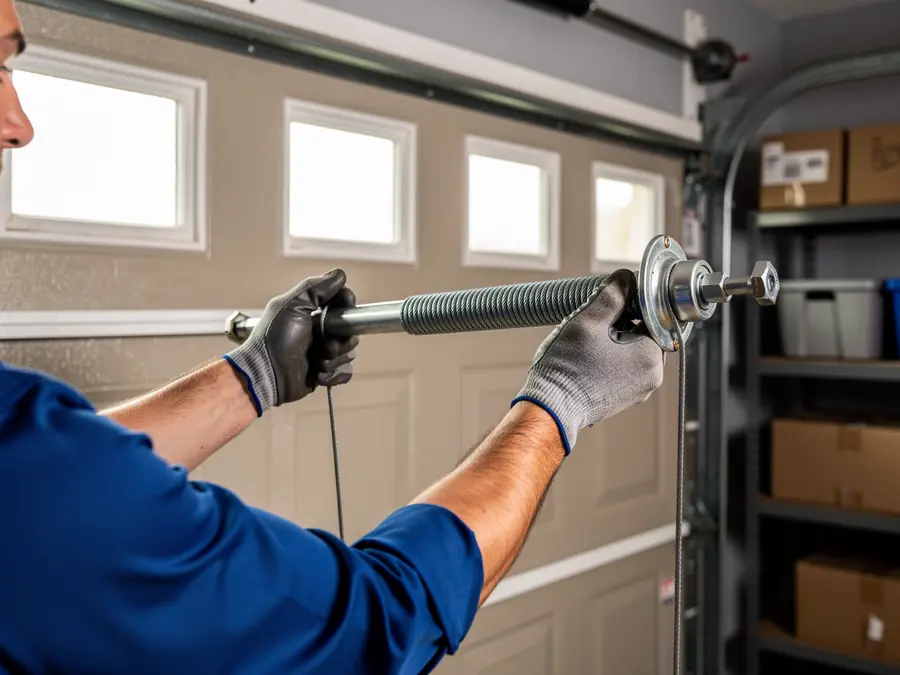 06Cable RepairCable repair for Alvin homes built mostly between 1969 and 2014, where original lift cables and galvanized coatings wear out under Gulf Coast humidity and freeze swings.Read more
 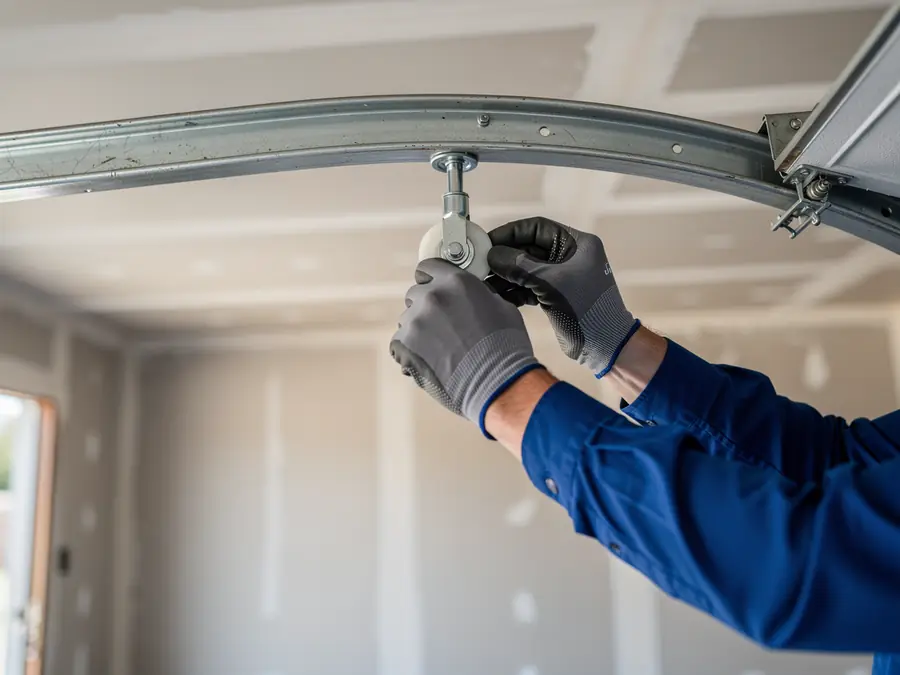 07Roller ReplacementRollers wear out fast on Alvin's 1980s-90s housing stock and mild Gulf climate. See why this fails here, what the repair takes, and how to spot it early.Read more
 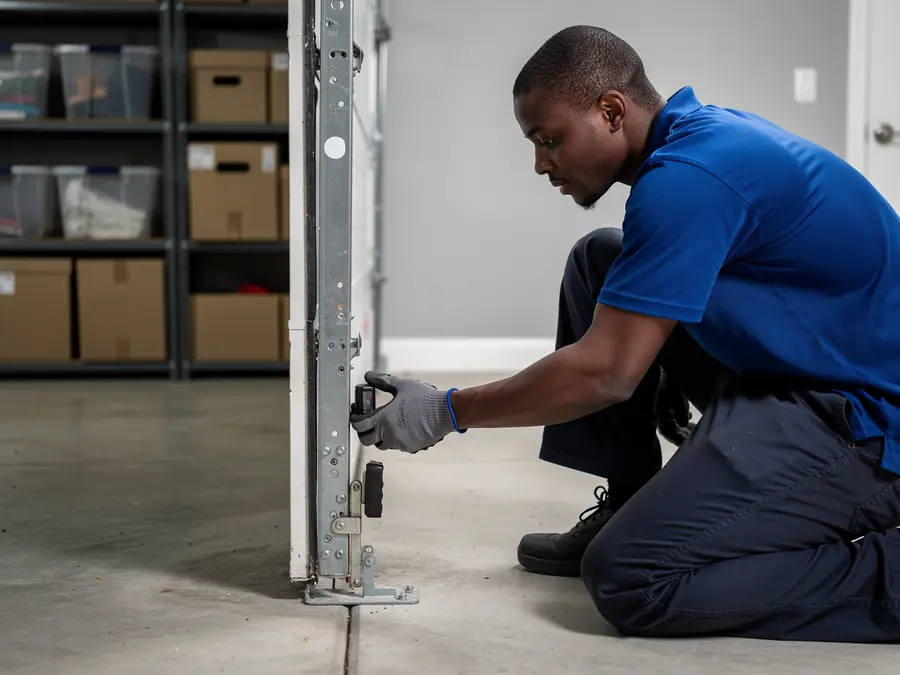 08MaintenanceAlvin homes built 1969-2014 face spring fatigue and track rust from Gulf Coast humidity. Maintenance tuned to this area's housing stock and mild-freeze climate.Read more
FAQ
Questions about this
My house in Alvin was built in the early 90s - is the original garage door spring still safe?
A torsion spring is rated for roughly 7-10 years of normal cycles, so a spring installed when your house was built in the early 90s is well past its design life regardless of how it looks. Rust from the mild, humid climate here usually accelerates that further. We'd check it in person before calling it safe either way.
Is it worth replacing just the opener on an older Alvin house instead of the whole door?
Often yes. On the 1980s-90s stock common across this area, the steel door panel frequently outlasts the opener, especially chain-drive units with logic boards that are no longer made. Swapping the opener head alone while keeping a sound door and track is usually the cheaper, faster fix.
How do I know if rust on my garage door is just cosmetic?
Surface rust that wipes or sands off the panel face is cosmetic and common given the humidity and occasional freeze here. Rust-through at a panel seam, bracket, or weld point is structural - press a screwdriver tip gently against it, and if it goes through or crumbles, that section needs replacing, not painting over.
Tell us what your door is doing.
We serve Alvin, TX and nearby communities. Every job starts with a diagnosis, so you know what failed before any work begins.