Blog
What That Grinding, Popping, or Screeching Sound in an Alvin Garage Actually Means
Alvin's housing stock runs 1969-2014, and the mild, humid Gulf climate wears springs and openers differently here than inland. Here's what each noise means.
The Problem
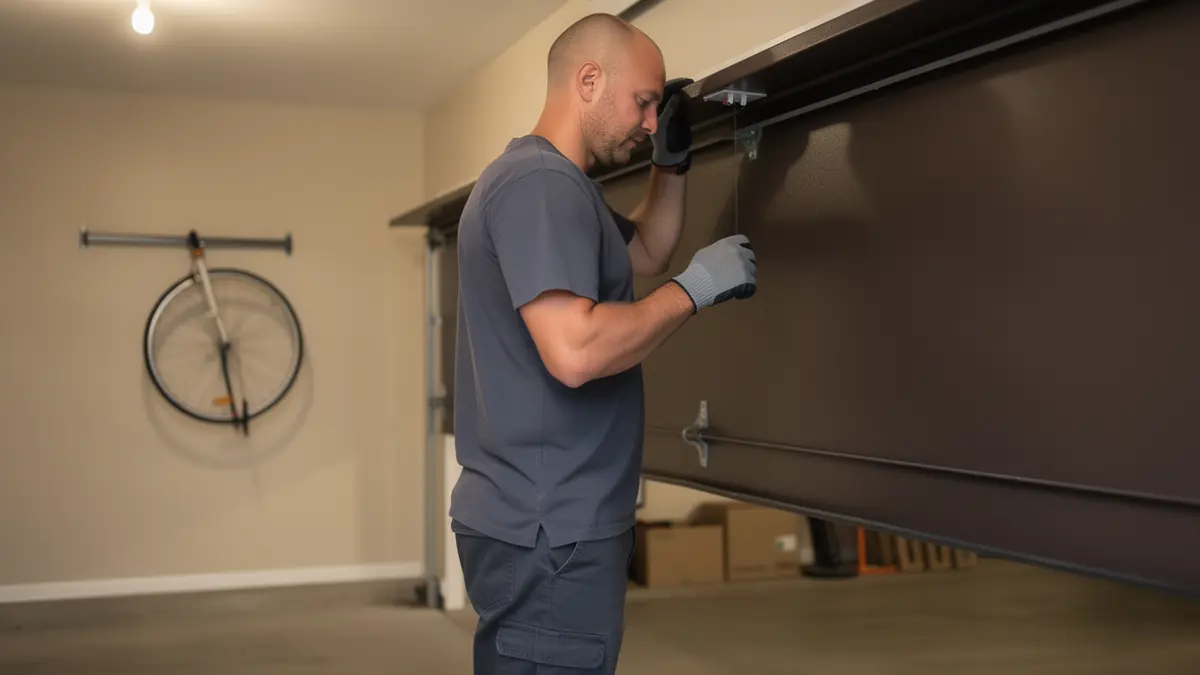
Alvin's garage doors were put in anywhere from 1969 to 2014, with the median house dating to around 1991. That range is the whole reason noise diagnosis isn't a one-size answer here. A door from the early 1990s is almost always running its original torsion spring and steel rollers, both of which are well past a normal service life by now - that's the grinding, uneven rumble you hear as the roller stem wears inside the track. A door from a 2000s-built section has newer hardware but often a cheaper stamped bracket that starts to rattle loose years before the spring does. Across the eighteen communities in this service area, the hardware generation on one street can be twenty years apart from the next, since the stock here isn't uniform 1980s-90s construction the way some older Gulf Coast towns are - it's a mix, with pockets of genuinely new builds sitting next to houses that have never had the opener serviced. So a popping sound on a 1991-build door and the same pop on a 2012-build door are not the same repair, even though they sound almost identical from the driveway.
What the Weather Here Does to It
Alvin sits in a mild climate with only occasional freeze, which sounds like good news for a garage door and mostly is - you're not fighting the freeze-thaw cracking that splits concrete tracks or seizes hardware the way colder regions do. But mild and humid cuts the other way. Springs, hinge pins, and roller bearings here corrode from moisture exposure rather than from hard winters, and that corrosion shows up as a dry squeal or a grinding catch on the rotation, not as the stiff, slow-to-open symptom you'd get in a true freeze climate. On the rare mornings it does dip near freezing, grease that hasn't been serviced in years can briefly thicken and make the opener strain on the first cycle of the day - that's a different sound again, more of a labored hum than a squeal, and it usually works itself out once the door's run a few times. The point is: in Alvin, assume rust and dried-out lubrication before you assume anything else. That's what this climate actually does to hardware, not frozen components.
Doing Nothing For Now
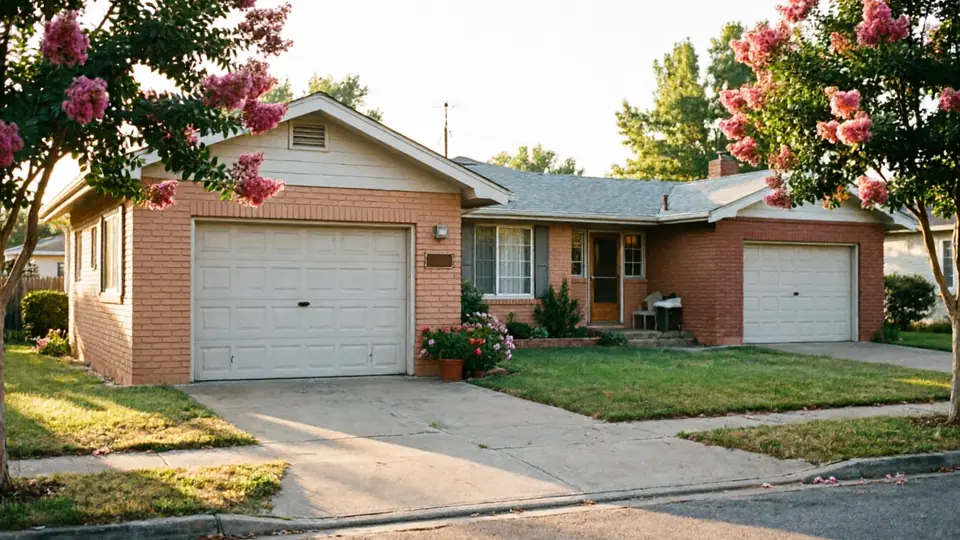
A noise that isn't getting worse week to week is one thing. A noise that's getting louder, or that's joined by a visible fray on a cable or a bulge in a panel, is a different situation, and waiting on that one costs you more than a service call. We can't tell you over the phone whether a given squeal is a ten-dollar lube job or a spring that's about to let go - that's a limitation we're upfront about, because guessing wrong on a torsion spring isn't a small mistake. What we can say is that in homes built in Alvin's older stock, from the 1969-2014 range, deferred maintenance tends to show up as cascading wear: a loose roller grinds the track, the track misalignment stresses the opener, and the opener starts pulling harder than it should. None of that reverses itself. If the sound has been there for months and hasn't changed, it's reasonable to keep an eye on it. If it showed up this week and it's getting worse, that's the one not to sit on.
What to Check
Start by placing the sound: is it coming from the spring area at the top center of the door, from the tracks on either side, or from the opener unit itself. A rhythmic clunk timed to the door's travel usually means a roller or a bent track section. A sharp pop followed by the door refusing to open is spring territory, and on Alvin's older housing stock that's most likely an original torsion spring that's simply worn out. A high squeal that's worse on humid mornings points to dry, corroded hinge pins rather than anything mechanical breaking. Check the visible hardware yourself: look at the cables for fraying near the bottom bracket, look at the rollers for flat spots or cracking, and look at the track for any section that's pulled away from the wall. Don't put your hands near a torsion spring under tension - that's not a DIY check regardless of how old the house is. If the opener is straining audibly but the door moves smoothly by hand with the opener disconnected, the opener itself is the problem, not the door.
Services
Garage door services in Alvin
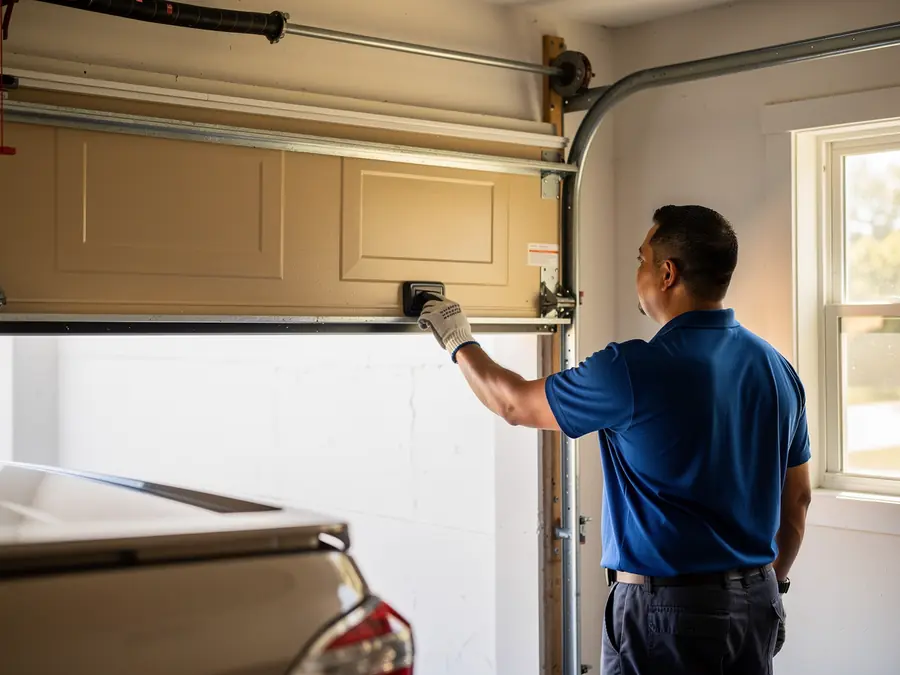
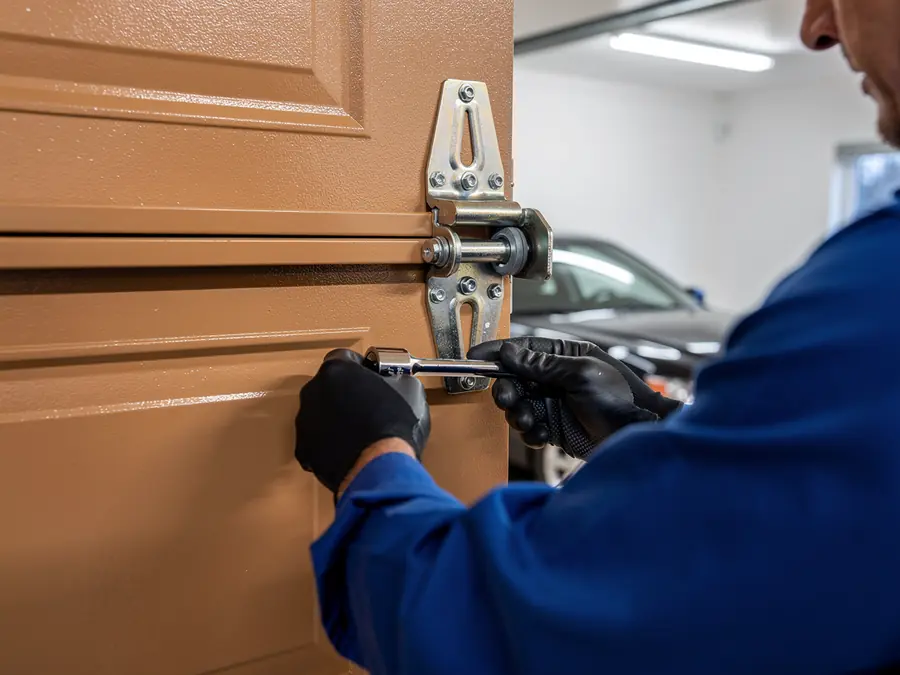 01Garage Door RepairAlvin homes built mostly in the 1980s and 90s are hitting the age where torsion springs and worn rollers fail. Here's why, and what the repair actually involves.Read more
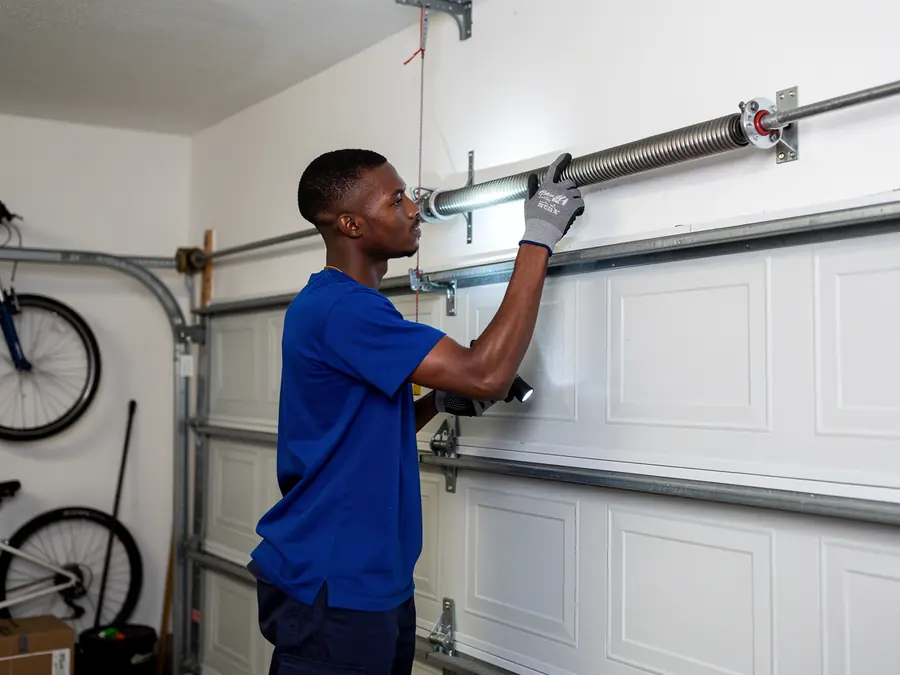
  02Garage Door InstallationMost Alvin homes went up between 1969 and 2014, and the original door on a lot of them is past the point where a patch repair makes sense. Here's why.Read more
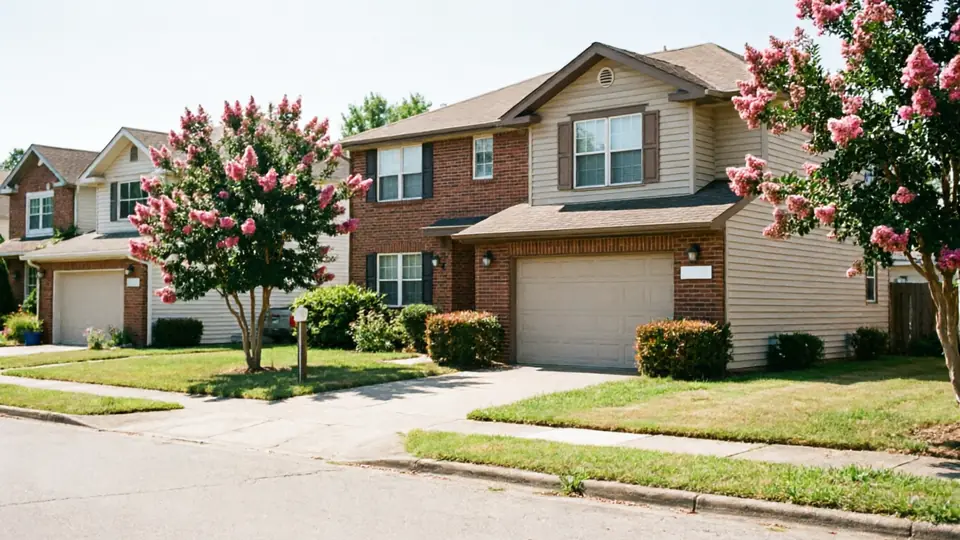
  03Garage Door ServiceAlvin homes mostly date to the 1980s and 90s, with original hardware now past its life. We service springs, openers, and tracks built for that era.Read more
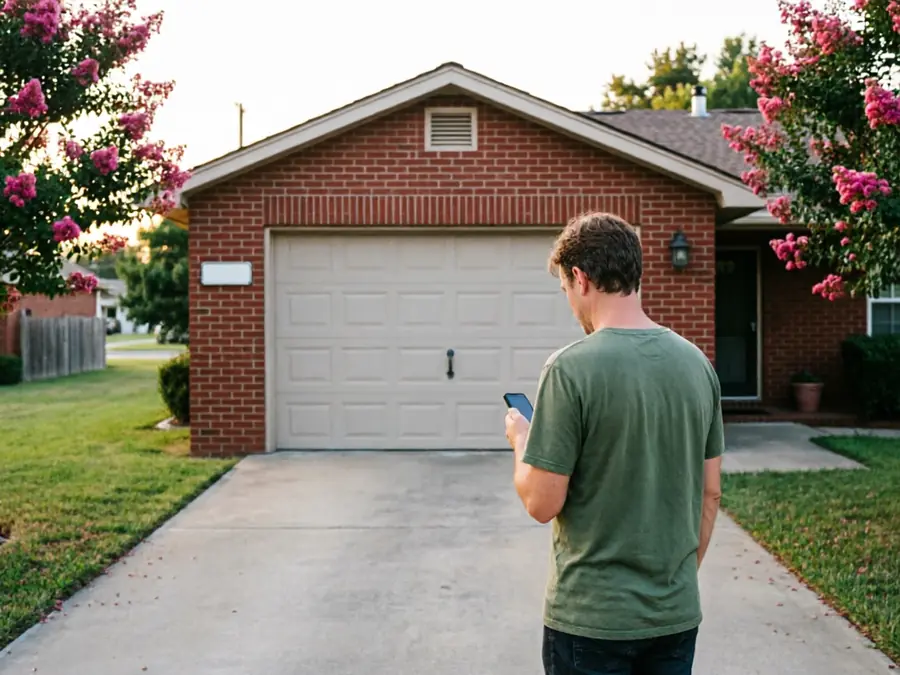
  04Opener InstallationMost Alvin houses were built between 1969 and 2014, with the bulk from the 1980s and 90s. That era of openers is why so many calls here start with a dead motor.Read more
  05Spring RepairTorsion and extension spring repair for Alvin homes built mostly between 1969 and 2014, where humidity and original hardware wear springs out early.Read more
 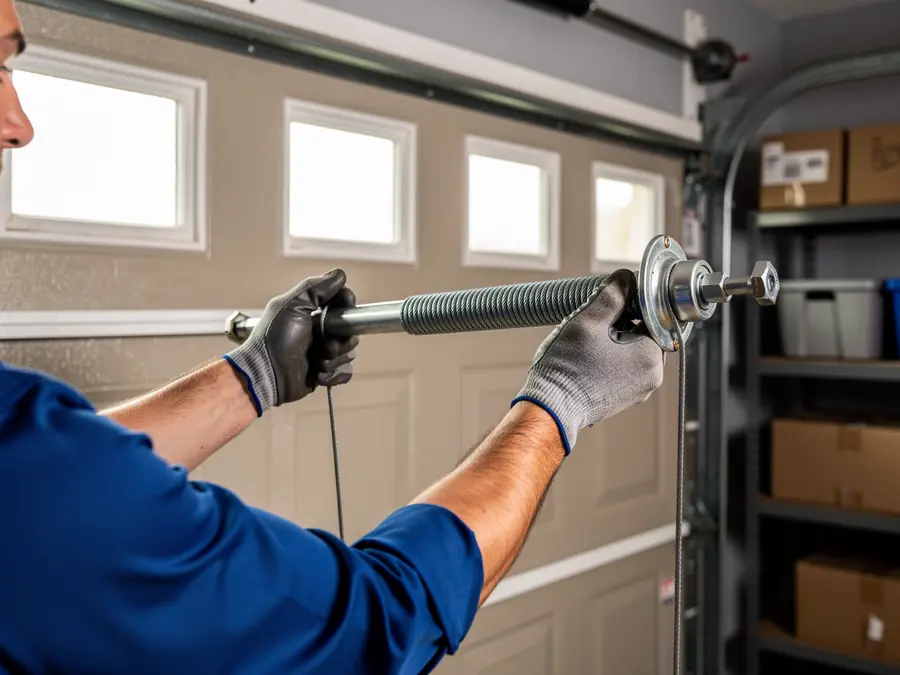 06Cable RepairCable repair for Alvin homes built mostly between 1969 and 2014, where original lift cables and galvanized coatings wear out under Gulf Coast humidity and freeze swings.Read more
 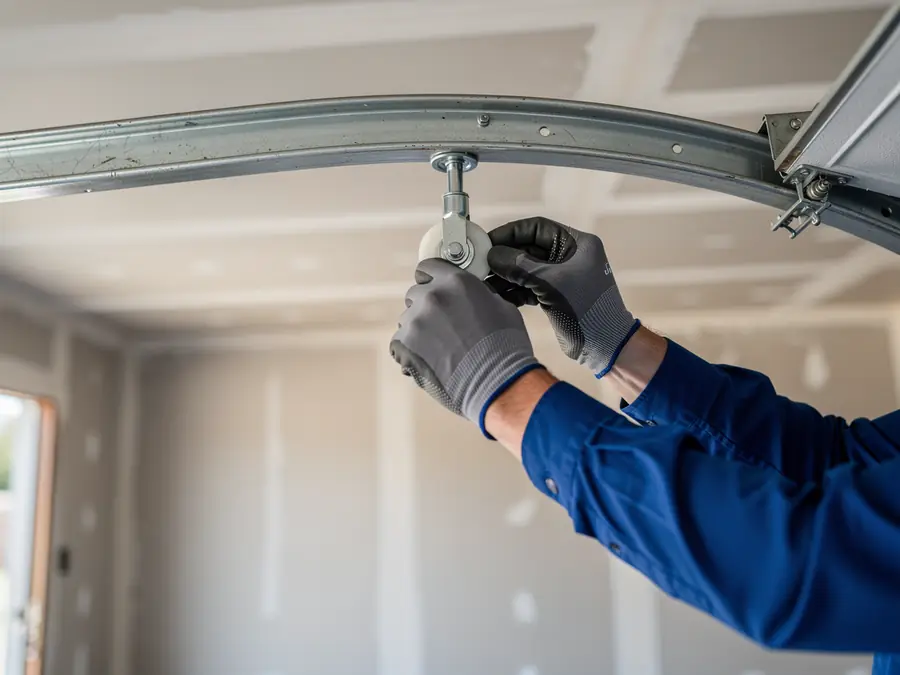 07Roller ReplacementRollers wear out fast on Alvin's 1980s-90s housing stock and mild Gulf climate. See why this fails here, what the repair takes, and how to spot it early.Read more
 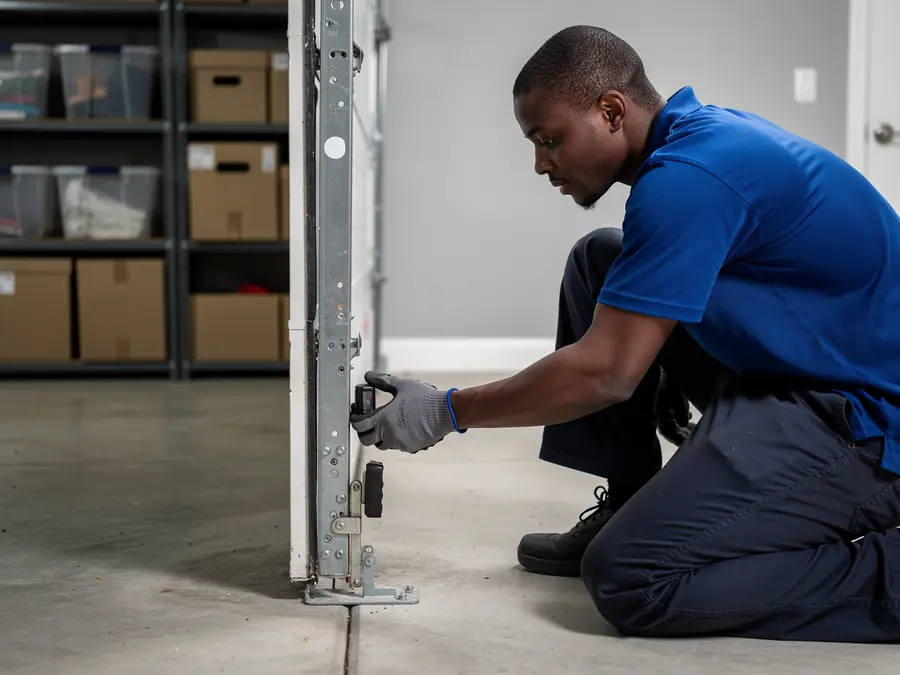 08MaintenanceAlvin homes built 1969-2014 face spring fatigue and track rust from Gulf Coast humidity. Maintenance tuned to this area's housing stock and mild-freeze climate.Read more
FAQ
Questions about this
My door grinds but still opens fine - is that just normal for a house this old?
Not exactly 'normal,' but common. Alvin's median house dates to around 1991, and a torsion spring or roller set that old is well past its expected life. It still working doesn't mean it's fine - it means it hasn't failed yet. Grinding that's been stable for a long time is lower urgency than grinding that's new or getting louder.
Why does my garage door only squeal in the summer?
Alvin's climate is mild with high humidity most of the year, and that humidity is harder on metal hardware than cold is. Hinge pins and springs corrode rather than freeze here, and that corrosion tends to show up loudest when humidity peaks. A dry squeal that comes and goes with the season usually points to lubrication and rust, not a mechanical fault.
Is a newer house in this area less likely to have these problems?
Housing stock across Alvin's service area ranges from 1969 to 2014, and the newer builds in that range do generally have less worn hardware. But newer isn't a guarantee - some later-built sections used lighter-gauge brackets and rollers that loosen and rattle sooner than the heavier original hardware found in the older 1980s-90s stock.
Tell us what your door is doing.
We serve Alvin, TX and nearby communities. Every job starts with a diagnosis, so you know what failed before any work begins.