Blog
What a Service Call Actually Covers in Alvin
A straight look at what a garage door service call in Alvin, TX actually involves, from spring wear on 1990s-era doors to the local freeze-thaw swing.
The Problem
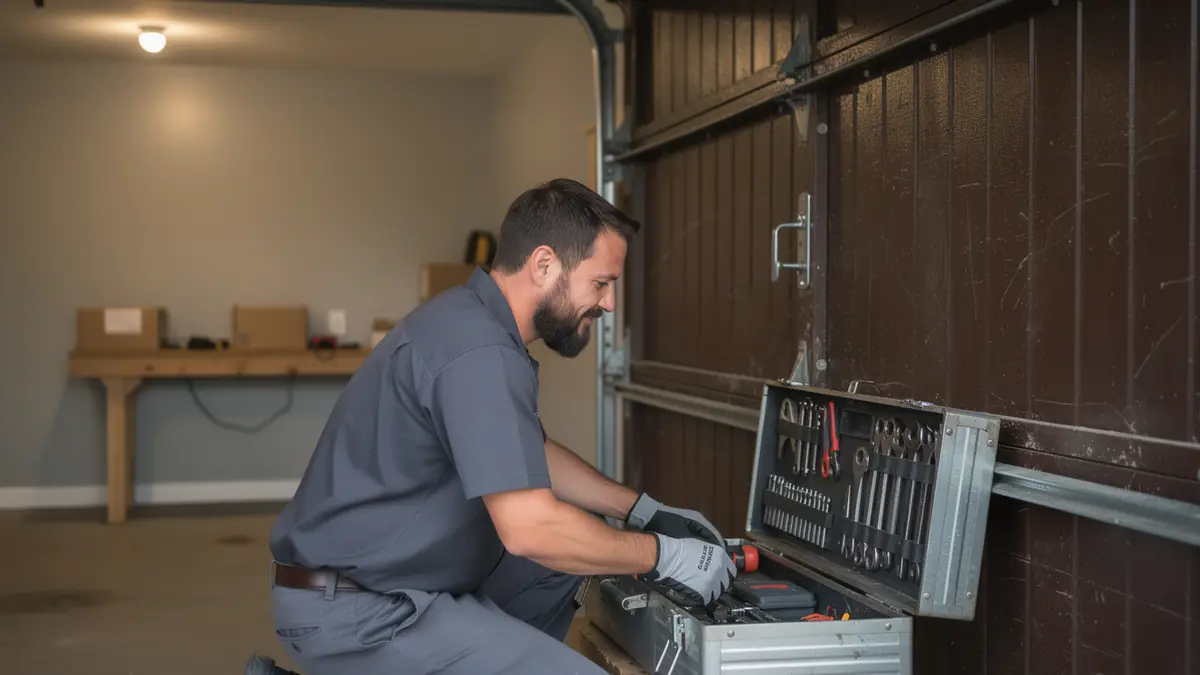
Most of the garage doors we get called on in Alvin went up somewhere between 1969 and 2014, with the bulk of the stock dating to the 1980s and 90s. That matters because a service call isn't one fixed thing - it's different depending on which decade of hardware is hanging in the opening. A door from a 1991-built house usually means an older extension or torsion spring setup, steel hardware that's had 30-plus years to fatigue, and an opener that may have already been swapped once or twice. A service call starts with figuring out what generation of parts you're actually dealing with before anyone touches a wrench. We check the spring type and age, the track alignment, the cable condition, the opener's drive mechanism, and whether the panels themselves are original or a later replacement. Across the 18 named communities we work in - this stretch between Santa Fe, Manvel, and Iowa Colony - the mix of build years means no two calls look quite the same. Some houses still have their original one-piece or sectional steel doors; others have been through at least one opener replacement already. The call is as much diagnosis as repair.
What the Weather Here Does to It
This area sits in a mild climate band with occasional freeze risk, not the hard freeze-thaw cycling you'd get further north, but enough cold snaps mixed with humid Gulf air to matter over three decades. Lubricant on torsion springs and hinges thickens during the rare cold stretches and then goes right back to soaking up humidity the rest of the year - that cycle is what dries out rubber weatherstripping and bottom seals faster than the material's rated life would suggest. On a door built in the early 1990s, that's 30-plus years of exactly this swing. Steel track brackets and hardware that aren't stainless pick up surface corrosion from the humidity even without a hard freeze ever happening. A service call here spends real time on the seals and the lubrication state, not just the spring tension, because the failure pattern in this climate band shows up as stiff rollers and cracked weatherstripping before it shows up as a snapped spring. We don't see the kind of frozen-track calls you'd get somewhere with real winters, but we do see rust bloom on 20- and 30-year-old track hardware that never got lubricated past the first year.
Doing Nothing For Now
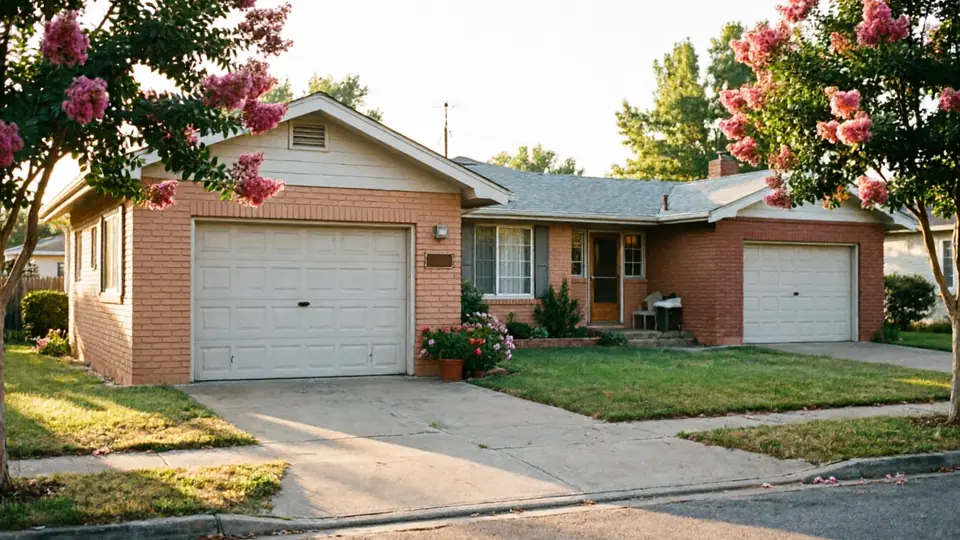
Waiting is sometimes the right call, and sometimes it isn't. If a door built in the 1980s or 90s is still running on its original torsion spring, that spring is well past typical fatigue life even if it hasn't broken yet - putting off a spring swap on a door that old usually means it breaks on its own schedule, often when the door is halfway up. On the other hand, a stiff roller or a slightly worn weatherstrip on a newer door isn't an emergency, and we'll tell you that on the call rather than talk you into work the door doesn't need yet. Here's the honest limit: if a door from the early part of that 1969-2014 build range needs a spring, an opener, and new track all at once, repair cost starts closing in on replacement cost, and we'll say so instead of stacking repairs on a door that's near the end of its service life. With median household income in this service area around $85,730 and most houses owner-occupied, most people want a straight answer on whether it's worth fixing - not a sales pitch either direction.
What to Check
Before you call, a few things are worth looking at yourself, especially if your house falls in that common 1980s-90s build window. Look at the spring - is it the torsion type mounted on a bar above the door, or extension springs running along the horizontal track. Older torsion setups in this area often haven't been serviced since the house was built. Check the bottom seal for cracking or gaps; in this climate band that's usually the first part to go. Listen for grinding or popping from the opener, which on a unit from an earlier generation often means the drive gear or belt is near the end of its run. Check for rust streaks on the track brackets, especially near the bottom rollers, since humidity here finds any bare steel over enough years. None of this tells you exactly what's wrong, but it tells us where to start when we get there, and it gives you a sense of whether you're looking at a $50 adjustment or a bigger job.
Services
Garage door services in Alvin
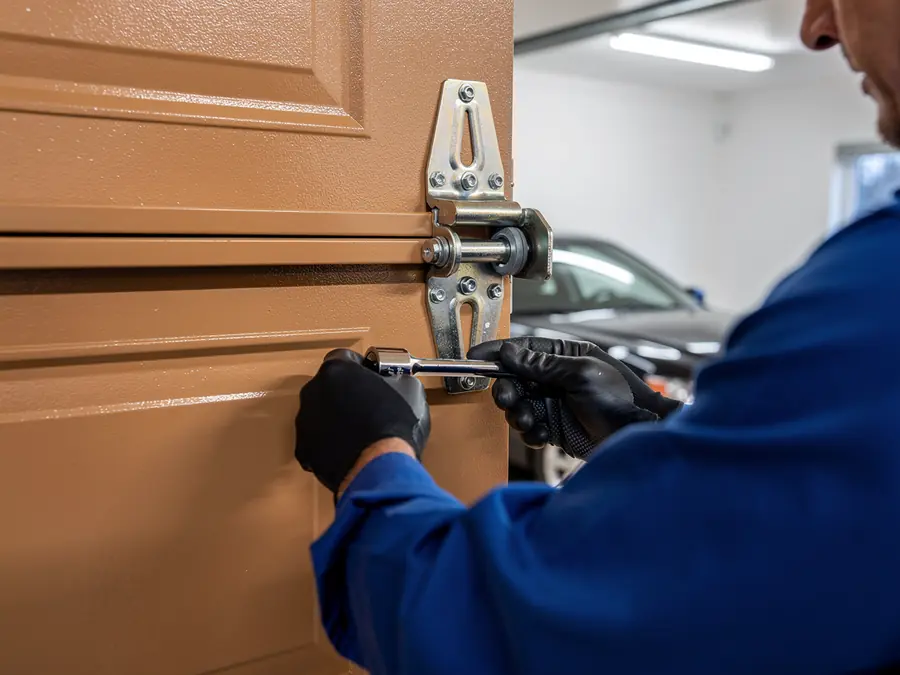 01Garage Door RepairAlvin homes built mostly in the 1980s and 90s are hitting the age where torsion springs and worn rollers fail. Here's why, and what the repair actually involves.Read more
 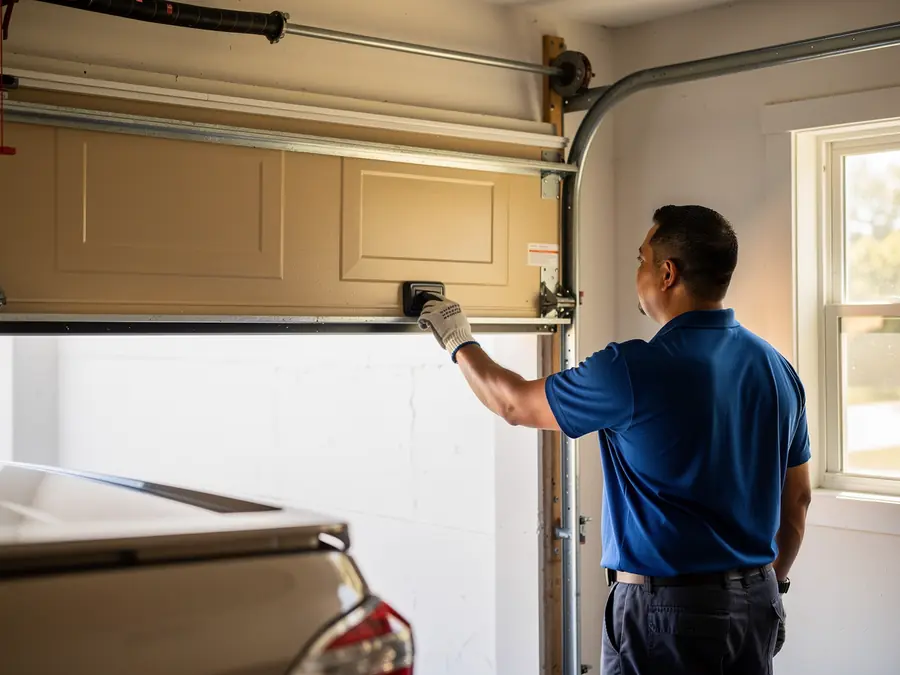 02Garage Door InstallationMost Alvin homes went up between 1969 and 2014, and the original door on a lot of them is past the point where a patch repair makes sense. Here's why.Read more
 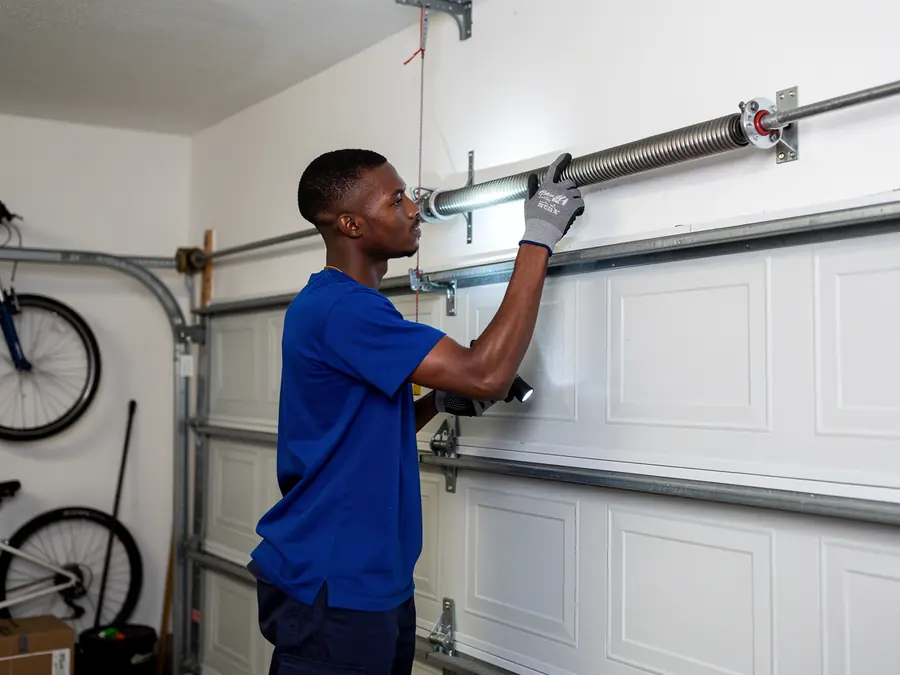 03Garage Door ServiceAlvin homes mostly date to the 1980s and 90s, with original hardware now past its life. We service springs, openers, and tracks built for that era.Read more
 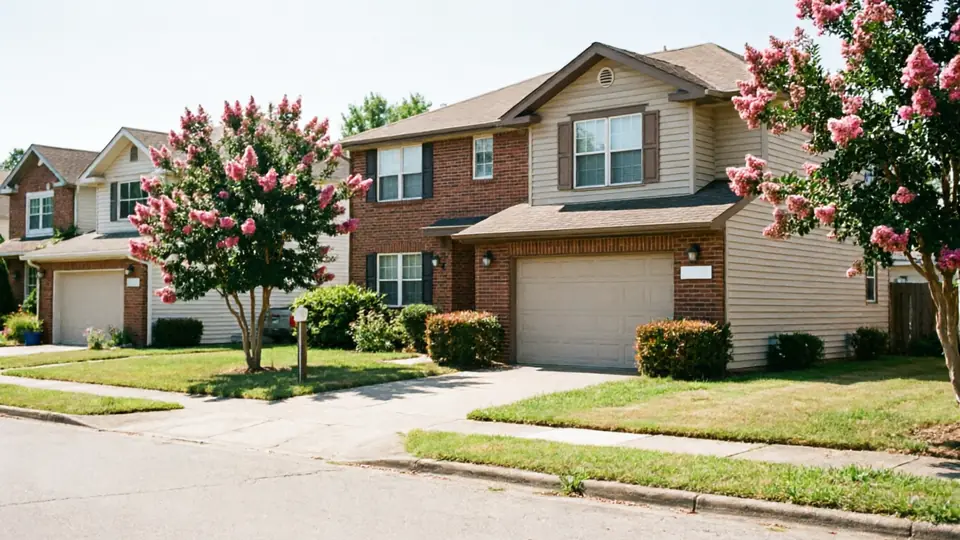 04Opener InstallationMost Alvin houses were built between 1969 and 2014, with the bulk from the 1980s and 90s. That era of openers is why so many calls here start with a dead motor.Read more
 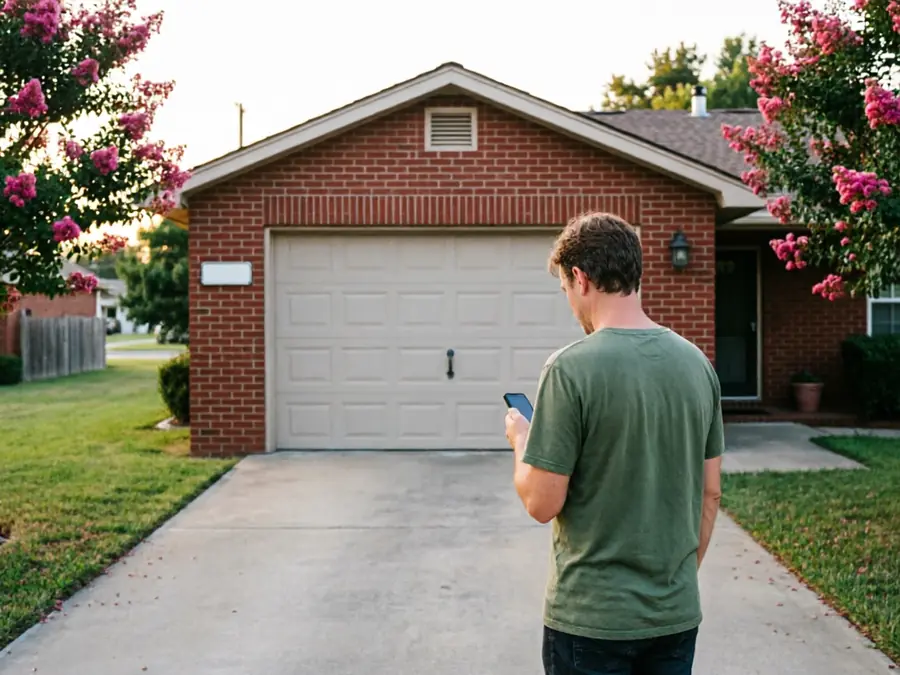 05Spring RepairTorsion and extension spring repair for Alvin homes built mostly between 1969 and 2014, where humidity and original hardware wear springs out early.Read more
 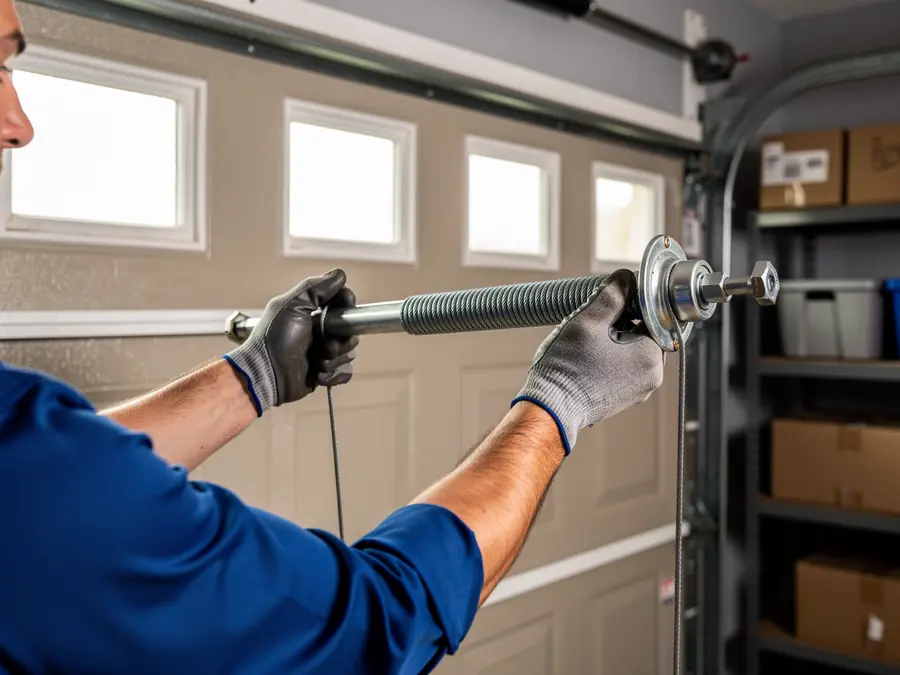 06Cable RepairCable repair for Alvin homes built mostly between 1969 and 2014, where original lift cables and galvanized coatings wear out under Gulf Coast humidity and freeze swings.Read more
 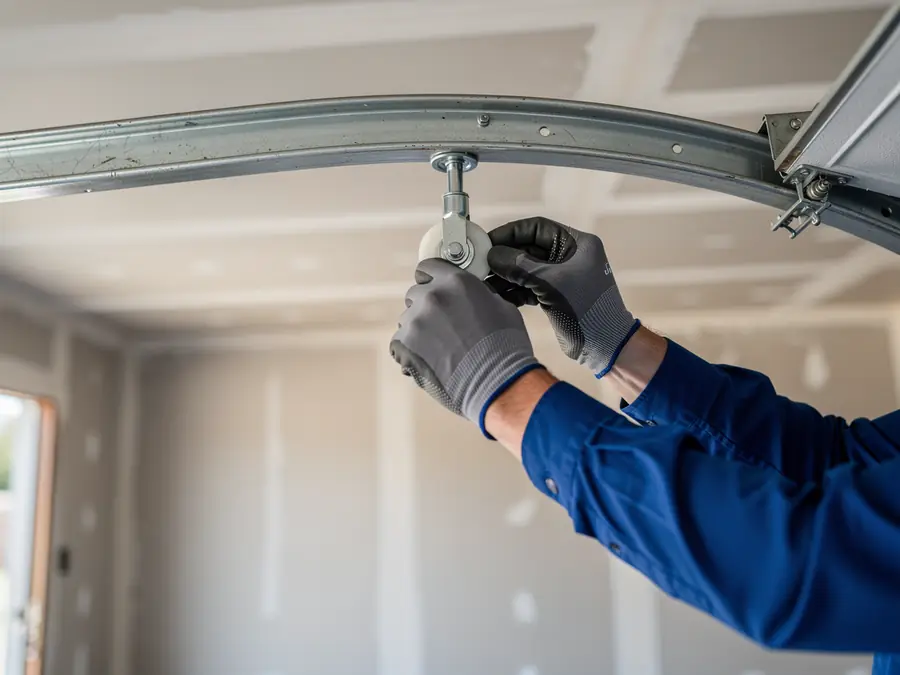 07Roller ReplacementRollers wear out fast on Alvin's 1980s-90s housing stock and mild Gulf climate. See why this fails here, what the repair takes, and how to spot it early.Read more
 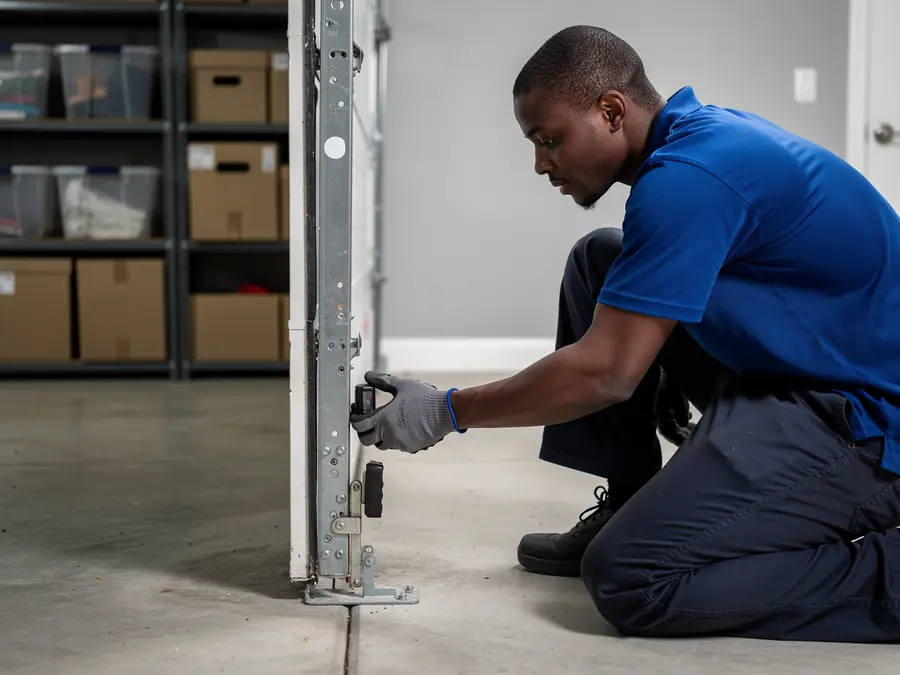 08MaintenanceAlvin homes built 1969-2014 face spring fatigue and track rust from Gulf Coast humidity. Maintenance tuned to this area's housing stock and mild-freeze climate.Read more
FAQ
Questions about this
How do I know if my garage door spring is original to the house?
If your house was built in the 1980s or 90s and the spring has never been replaced, it's almost certainly original. Original torsion springs from that era are well past their rated cycle life even if they haven't broken. We can tell you the spring's likely age by its winding type and mounting hardware on the call.
Does the Alvin climate cause different garage door problems than other places?
We're in a mild band with occasional freezes, not heavy freeze-thaw cycling. What we see more of is humidity-driven wear - cracked weatherstripping and rust on bare track hardware - rather than the frozen-track failures you'd get in a colder climate.
Do you work outside Alvin itself?
Yes, we cover the surrounding area including Santa Fe, Manvel, Dickinson, Iowa Colony, and the other named communities within roughly 18 miles. Call us and tell us where you are and we'll let you know directly.
Tell us what your door is doing.
We serve Alvin, TX and nearby communities. Every job starts with a diagnosis, so you know what failed before any work begins.