Blog
Why So Many Alvin Garage Doors Have No Insulation at All
Alvin's housing mostly dates 1969-2014, median 1991 - before garage door insulation codes. Here's what that means for your door and what to check now.
The Problem
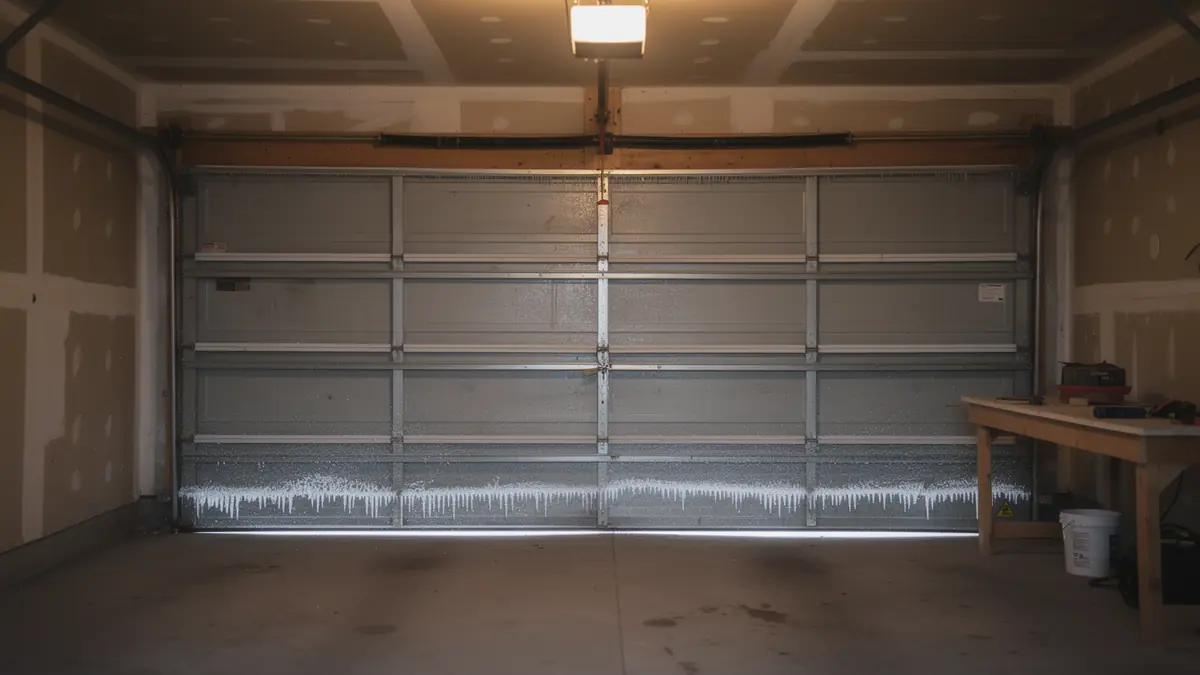
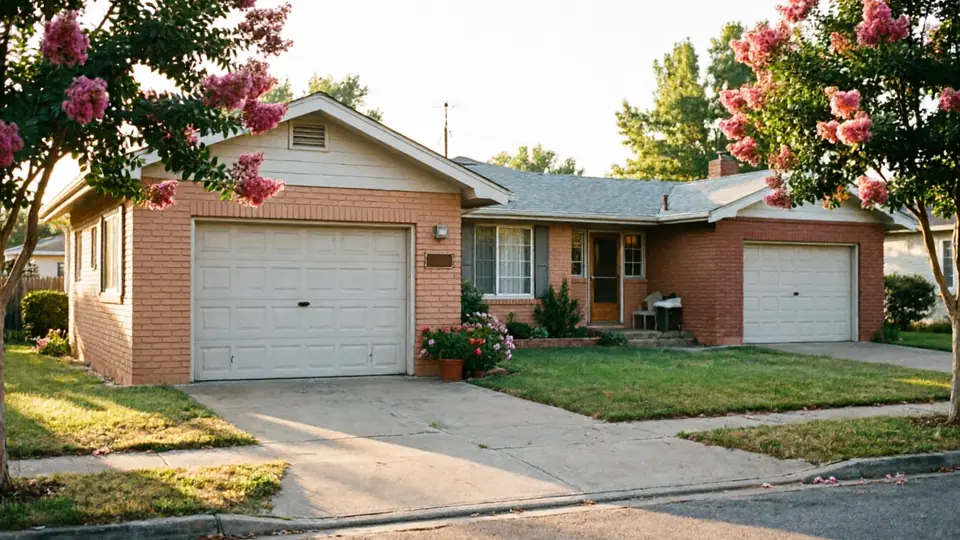
Alvin's housing stock mostly went up between 1969 and 2014, with the median build year sitting around 1991. That matters more than it sounds like it should, because garage doors weren't required to meet any insulation standard for most of that window. A door installed on a house built in 1991 is almost certainly a single steel skin over an air gap, maybe with a thin strip of foam tacked along the bottom, nothing more. Builders weren't cutting corners - insulated garage doors just weren't part of the code yet, and for a long stretch nobody asked for them as an upgrade either.
Across the 18 named areas that make up this service territory, the bulk of homes are still carrying 1980s and 90s construction, the exact era before builders started treating the garage door opening as part of the thermal envelope. That means the door you're looking at right now, unless someone already replaced it, is doing the same job it did the day the house was finished: keeping rain and raccoons out, nothing about temperature. If the garage shares a wall with a bedroom or a laundry room, you're feeling that gap every day without knowing why.
What the Weather Here Does to It
Alvin sits in a mild climate band that still sees occasional freezes, so a door with no insulation and worn-out weatherstripping lets that one or two nights a year of real cold into the garage fast. It's not the kind of cold that cracks a panel, but it's enough to chill anything stored against that wall, and enough to make an attached garage noticeably colder than the rest of the house on those mornings.
The bigger issue most of the year isn't the cold snap, it's heat and moisture working on steel and hardware that's three decades old. An uninsulated door flexes more with temperature swings, and on an older track and roller setup that flex shows up as noise, slight binding, or a seal that's shrunk and no longer sits flush against the slab. None of that is dramatic. It's just slow wear that an insulated, better-sealed door wouldn't show nearly as fast.
Doing Nothing For Now
If your door is still working - opens, closes, doesn't bind, springs aren't making odd sounds - there's no rule that says you have to replace it just because it's old and uninsulated. Plenty of doors from that 1969-2014 build window still have years left in them if the hardware is sound. Replacing a door purely for insulation reasons is a comfort and energy call, not a safety one, and it's fair to put off if the budget's tight.
Where doing nothing stops being the right call is when the door is original and the opener, cables, or springs are original too. At that point you're not deciding whether to upgrade insulation, you're deciding whether to wait for a spring to let go on its own schedule. That's the honest tradeoff: an old uninsulated door isn't an emergency, but an old uninsulated door with original 30-year-old hardware underneath it is a different conversation.
What to Check
Start with the bottom seal. If your house falls into that 1969-2014 build window, chances are good the door is original or close to it, built before insulation rules applied to garage doors at all, and the astragal at the bottom is usually the first thing to go - cracked, flattened, or missing chunks. Run a hand along it; if daylight or outside air gets through anywhere, that's your easiest fix regardless of what you decide about the door itself.
Next, press on a panel. A single-skin steel door without insulation will flex visibly under hand pressure near the center. That's normal for the design, not a defect, but it tells you what you're working with. Check the opener's manufacture date on the label if you can reach it - with most of the stock dating to the 80s and 90s across this area, swapping in a modern insulated door is less about comfort upgrades and more about catching up to a code change that happened after your house did. Last, listen during a full open-close cycle for grinding or a hesitation partway through, which points to roller or track wear rather than anything related to insulation.
Services
Garage door services in Alvin
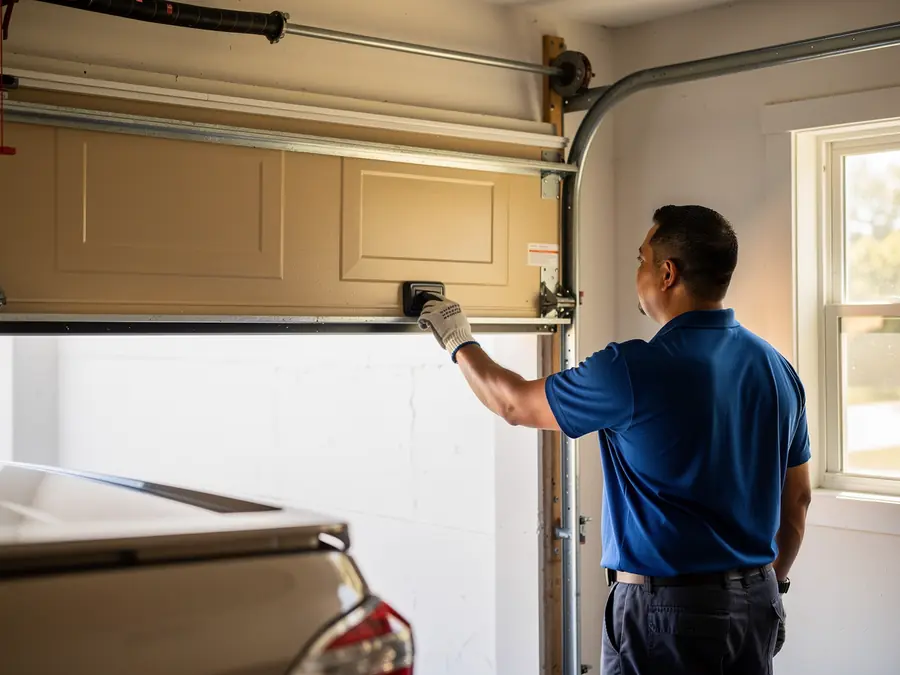
 01Garage Door RepairAlvin homes built mostly in the 1980s and 90s are hitting the age where torsion springs and worn rollers fail. Here's why, and what the repair actually involves.Read more
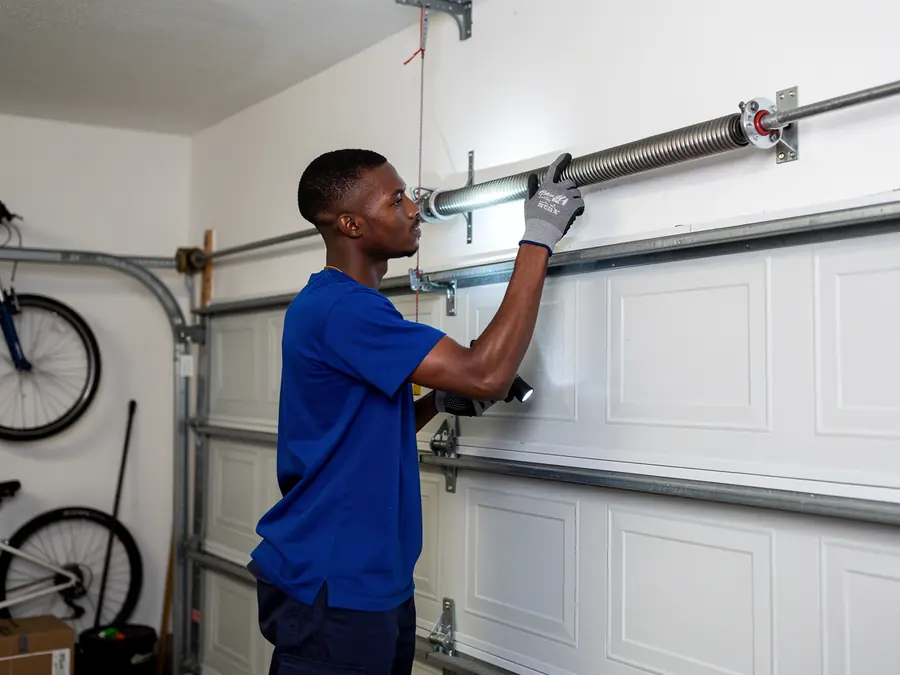
  02Garage Door InstallationMost Alvin homes went up between 1969 and 2014, and the original door on a lot of them is past the point where a patch repair makes sense. Here's why.Read more
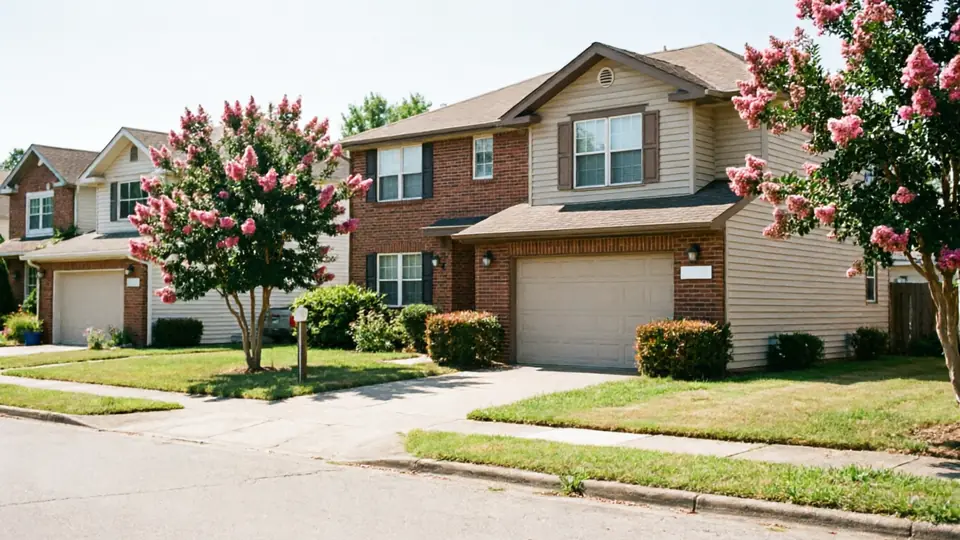
  03Garage Door ServiceAlvin homes mostly date to the 1980s and 90s, with original hardware now past its life. We service springs, openers, and tracks built for that era.Read more
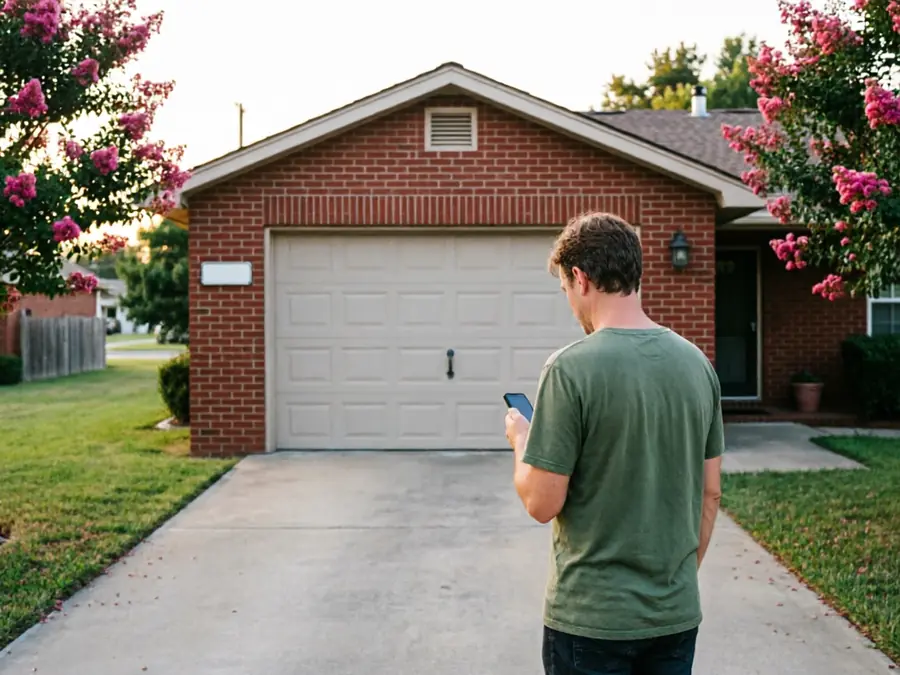
  04Opener InstallationMost Alvin houses were built between 1969 and 2014, with the bulk from the 1980s and 90s. That era of openers is why so many calls here start with a dead motor.Read more
  05Spring RepairTorsion and extension spring repair for Alvin homes built mostly between 1969 and 2014, where humidity and original hardware wear springs out early.Read more
 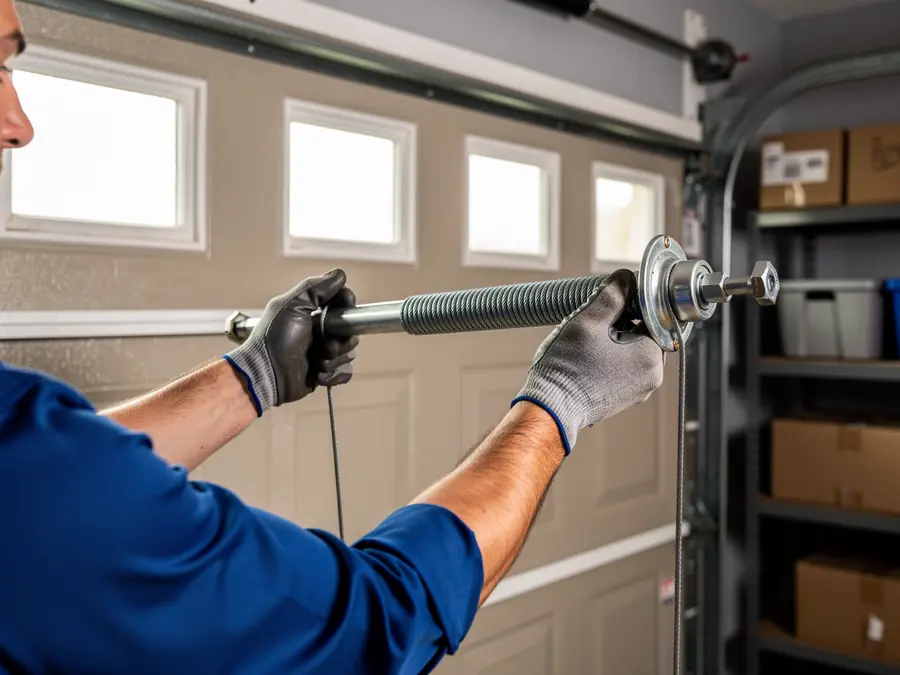 06Cable RepairCable repair for Alvin homes built mostly between 1969 and 2014, where original lift cables and galvanized coatings wear out under Gulf Coast humidity and freeze swings.Read more
 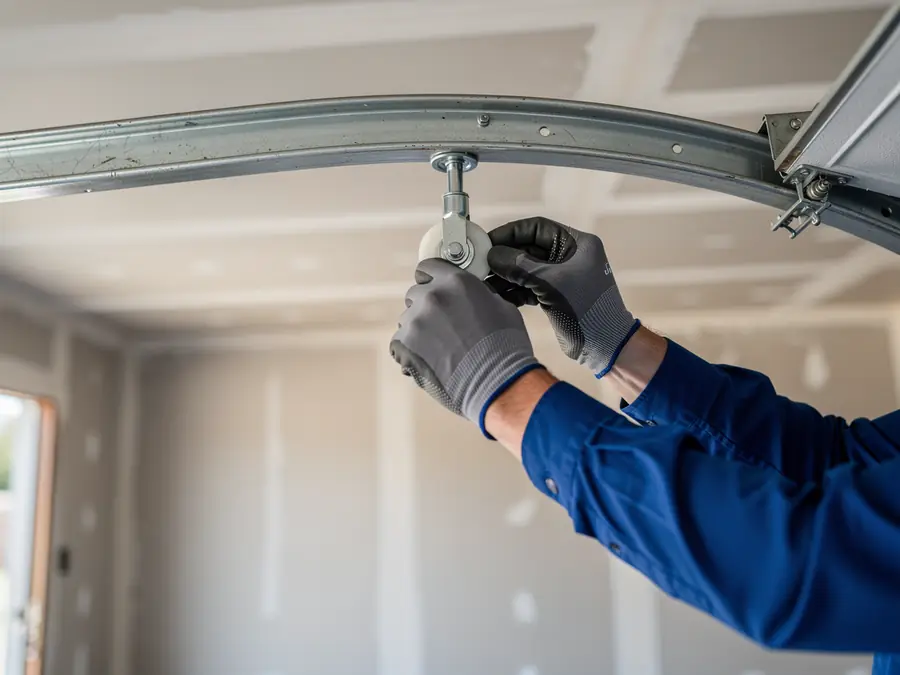 07Roller ReplacementRollers wear out fast on Alvin's 1980s-90s housing stock and mild Gulf climate. See why this fails here, what the repair takes, and how to spot it early.Read more
 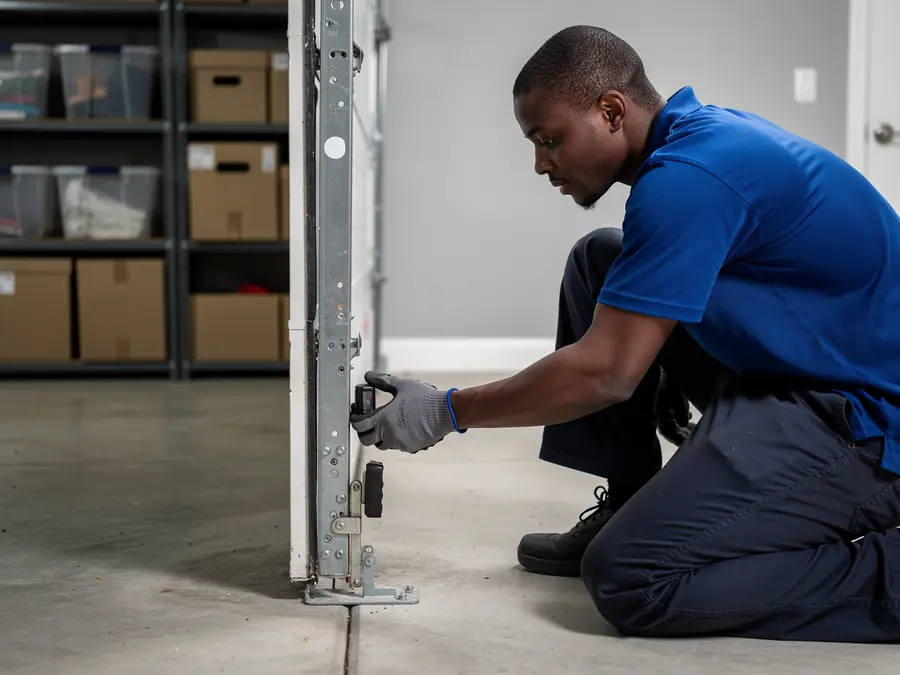 08MaintenanceAlvin homes built 1969-2014 face spring fatigue and track rust from Gulf Coast humidity. Maintenance tuned to this area's housing stock and mild-freeze climate.Read more
FAQ
Questions about this
Is my garage door too old just because the house was built in 1991?
Not by itself. Age alone doesn't mean failure - plenty of doors from that era still run fine if the springs, cables, and rollers were maintained. The age tells you it's uninsulated and probably due for a hardware check, not that it needs replacing today.
Does Alvin's climate actually justify an insulated door?
The freezes here are occasional, not constant, so insulation is more about comfort and moisture control than preventing damage. If the garage borders living space, an insulated door makes a noticeable difference on those cold mornings and in summer heat too.
Can I just add insulation to my existing door instead of replacing it?
Kits exist for single-skin steel doors and can help, but they add weight, which an older opener and springs weren't sized for. Worth checking the door's condition and the opener's capacity before going that route.
Tell us what your door is doing.
We serve Alvin, TX and nearby communities. Every job starts with a diagnosis, so you know what failed before any work begins.