Where This Job Goes Sideways
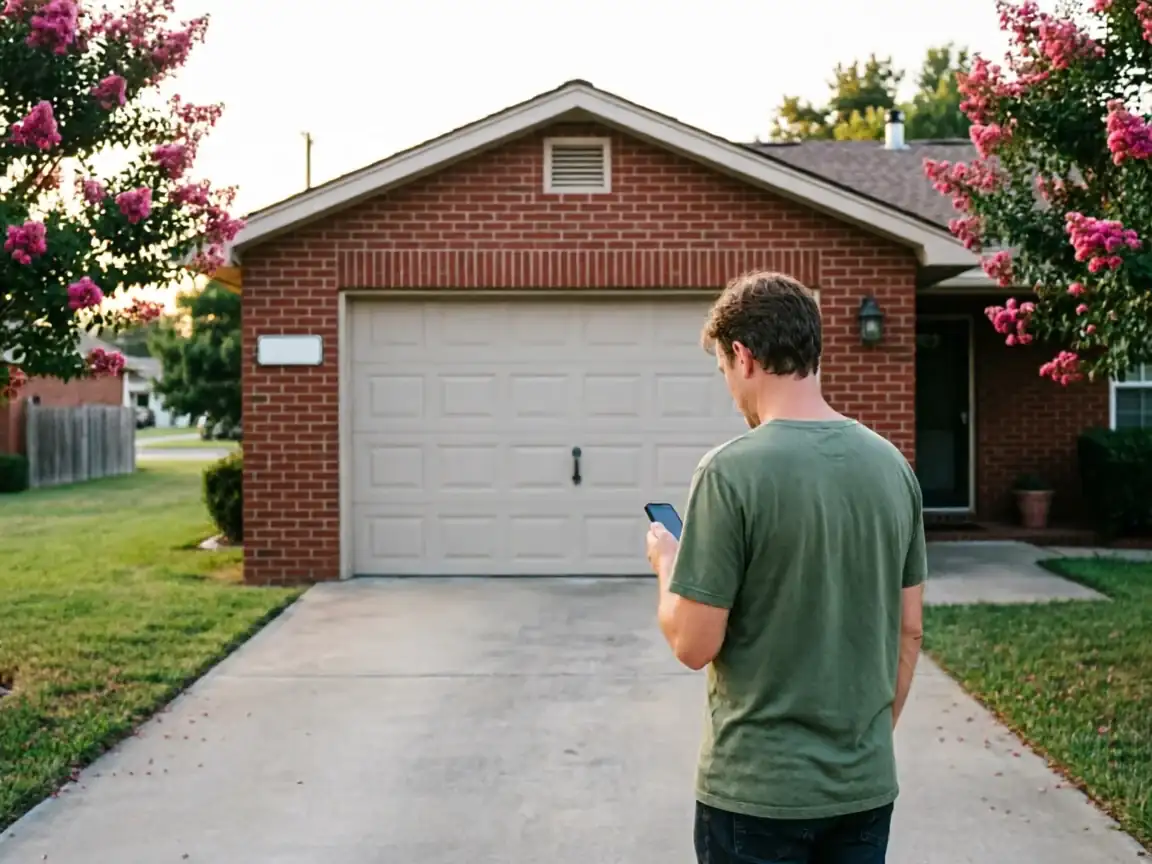
Sienna is a newer build than most of what this company works on
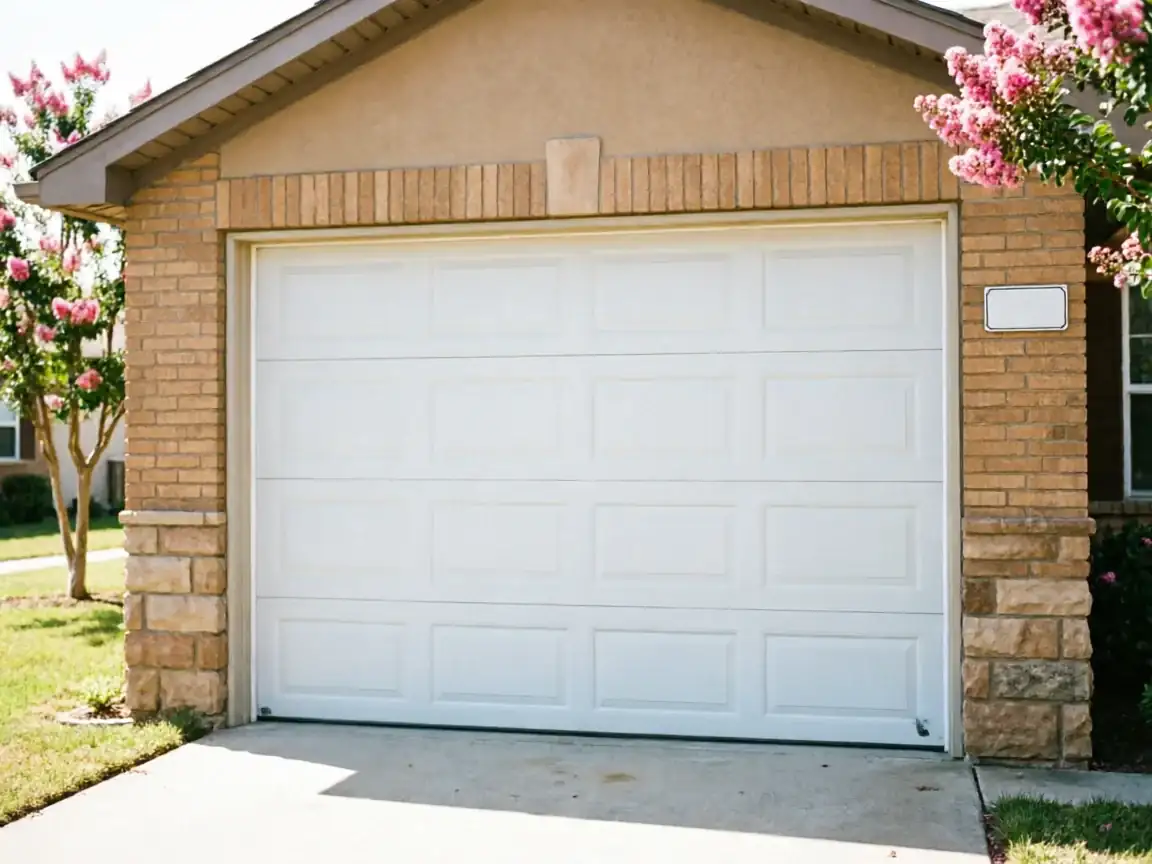
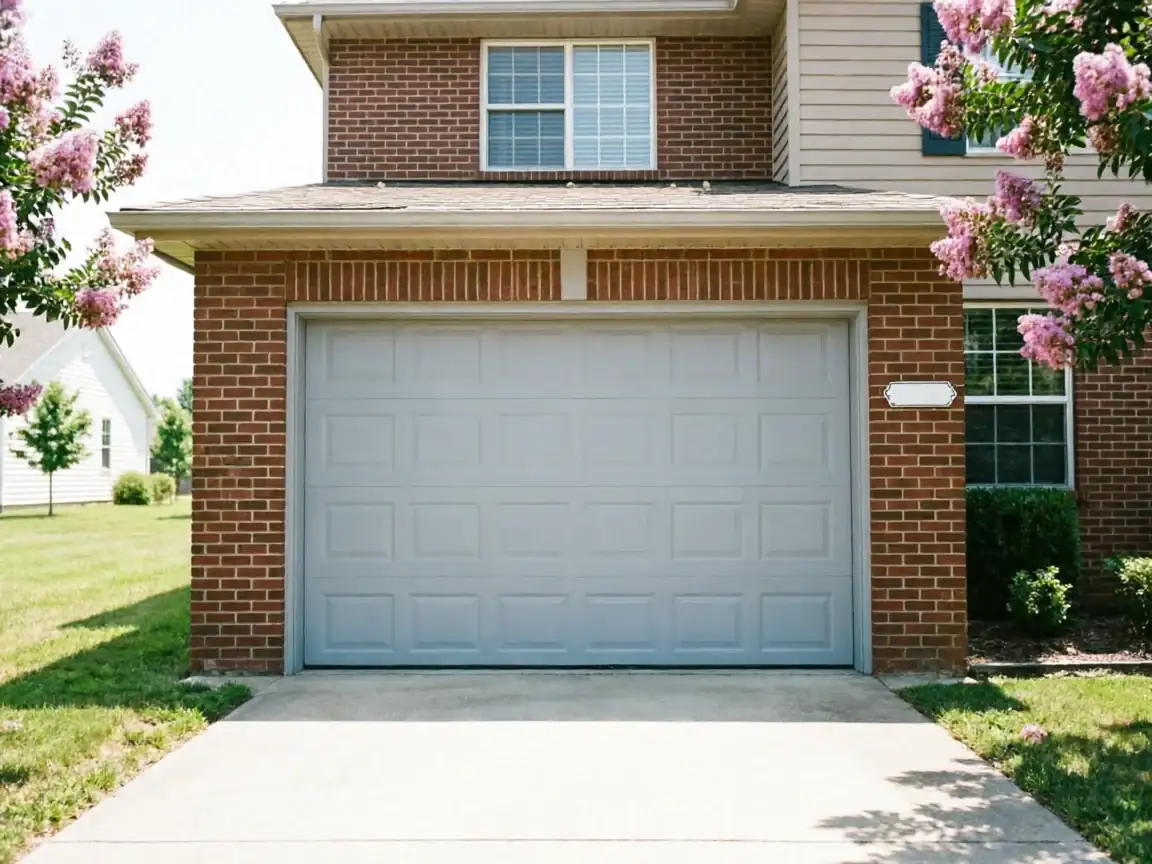
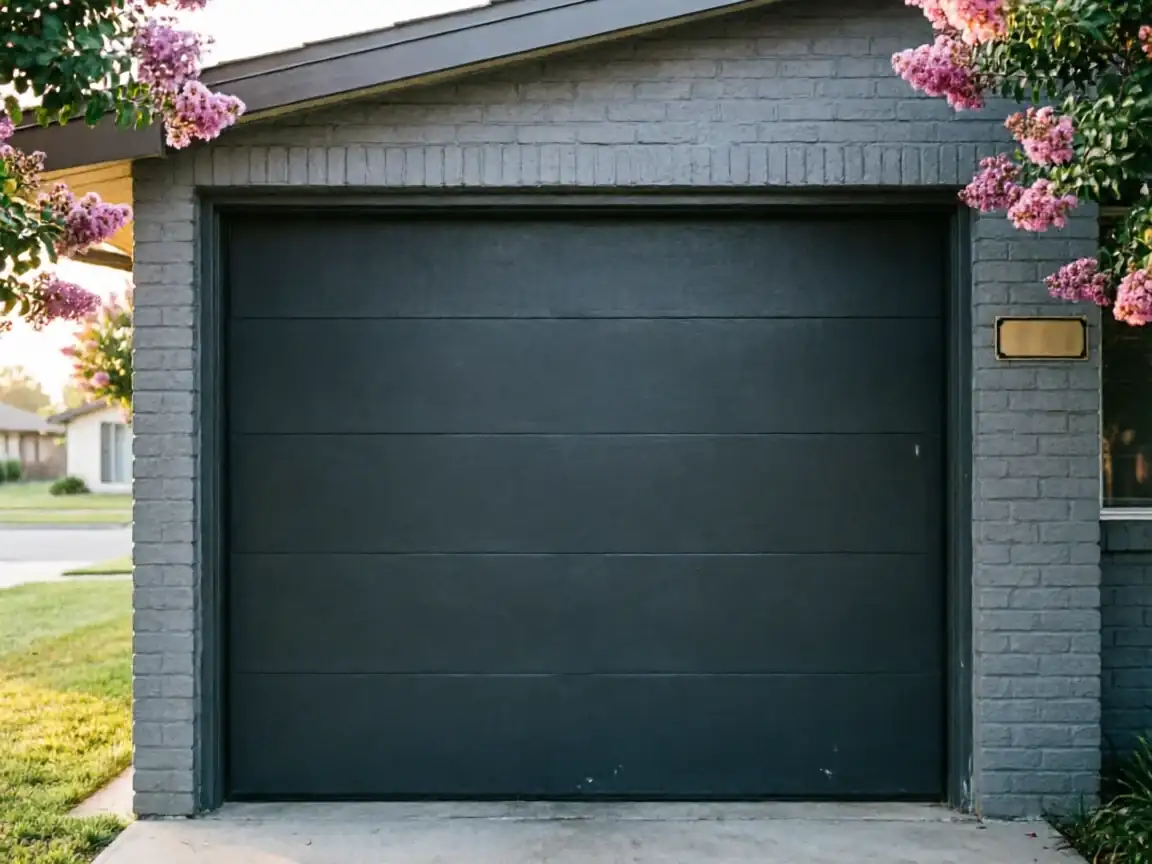
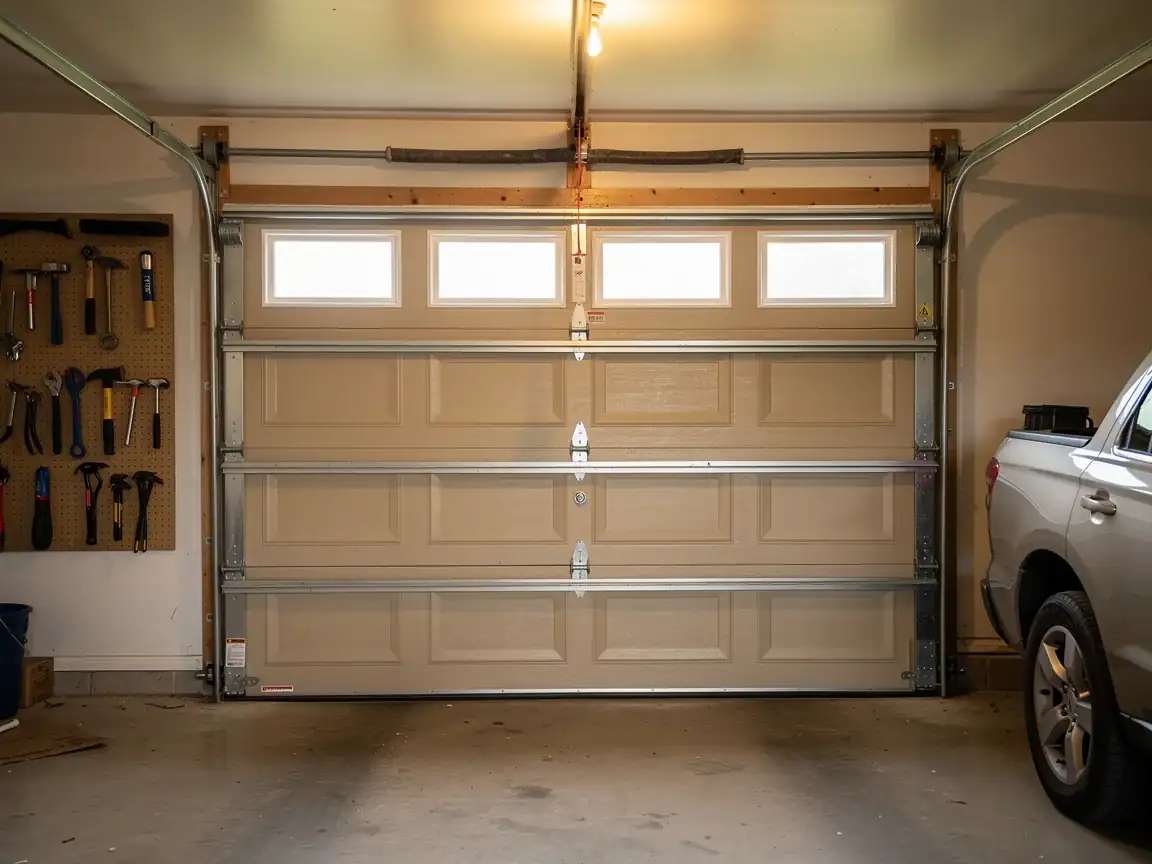
The median home here went up around 2007, which means you're not dealing with the original steel one-piece doors we see on older stock elsewhere in the service area. You're dealing with factory-installed double-wide steel sectional doors, insulated foam-core, hung on galvanized track with the stock nylon rollers the builder spec'd to hit a price point - not the sealed-bearing rollers a homeowner would choose if they were buying direct.
Those stock nylon rollers do fine for years
Then the stems start to wear inside the roller bracket. On a door this size - and Sienna's garages tend to run wider two-car openings - that wear shows up as the door walking sideways in the track rather than tracking straight. It's not a dramatic failure. It's a slow one, and it's the kind that gets ignored until the roller stem snaps clean off mid-cycle and the door hangs crooked on one side.
The fault here isn't age in the way it is on a 1990s door
It's volume. A 2007-era door that's been cycled twice a day for close to two decades has put a lot of miles on cheap plastic, and the rollers are usually the first thing to go before the opener, the springs, or the track itself.
Time on the Job
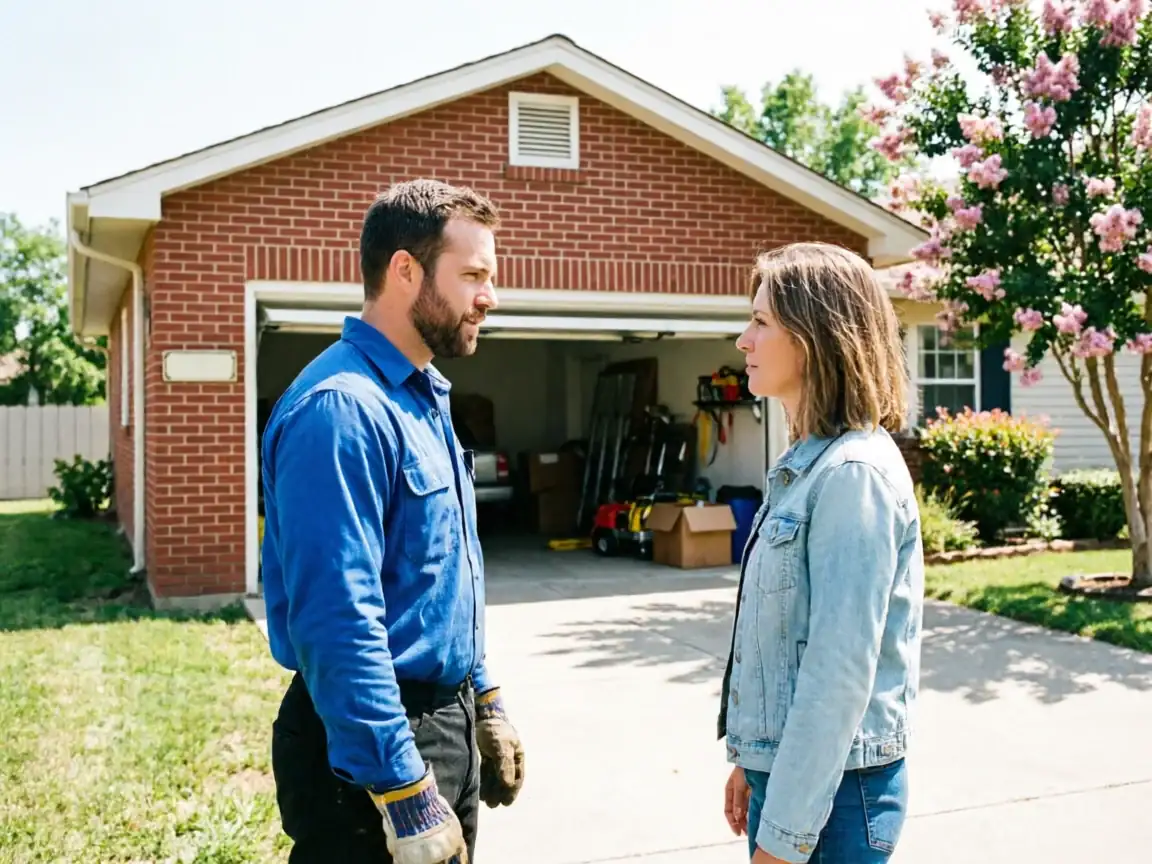
Sienna sits about 18 miles from our shop in Alvin, which is farther out than most of the work we run day to day. We don't carry a crew based in Sienna and we're not going to pretend we do - this is a job we travel to, not a job we're already around the corner for. Call ahead and we'll give you a window, but we're not quoting same-hour service for this leg of the service area the way we might closer to home.
The upside of the drive is that roller jobs don't usually need a second trip. Once we're on site with the right roller stock for a 2007-era steel door, the swap itself is a same-visit fix in most cases - we're just factoring the 18 miles into when we can get there, not into how long the actual repair takes once a truck is in the driveway.
What the Repair Takes
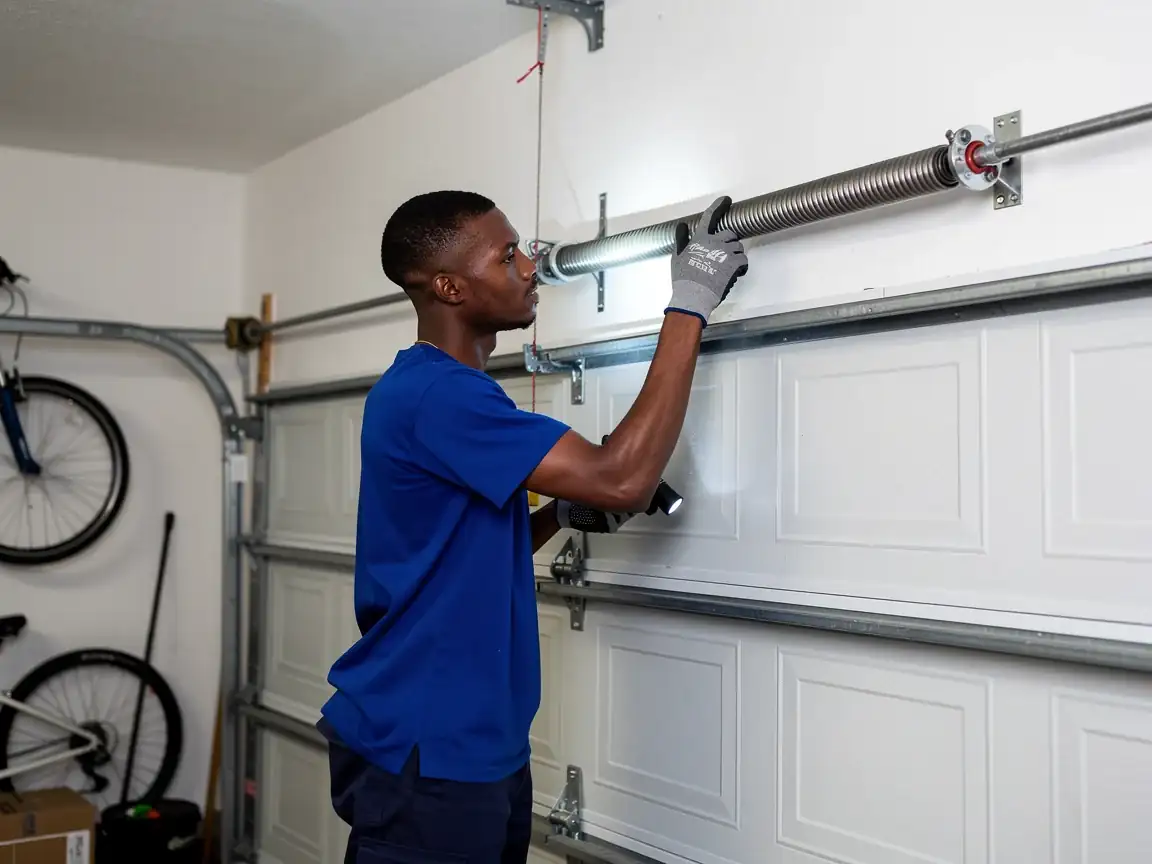
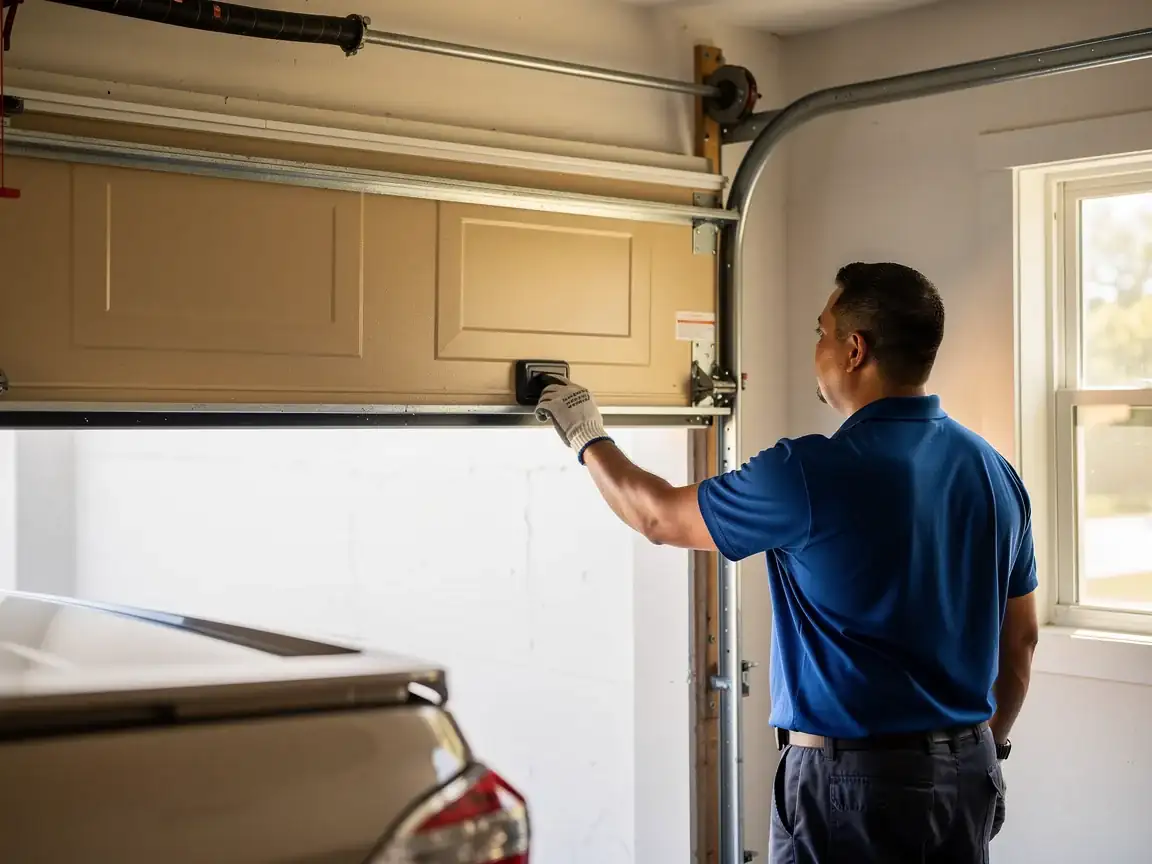
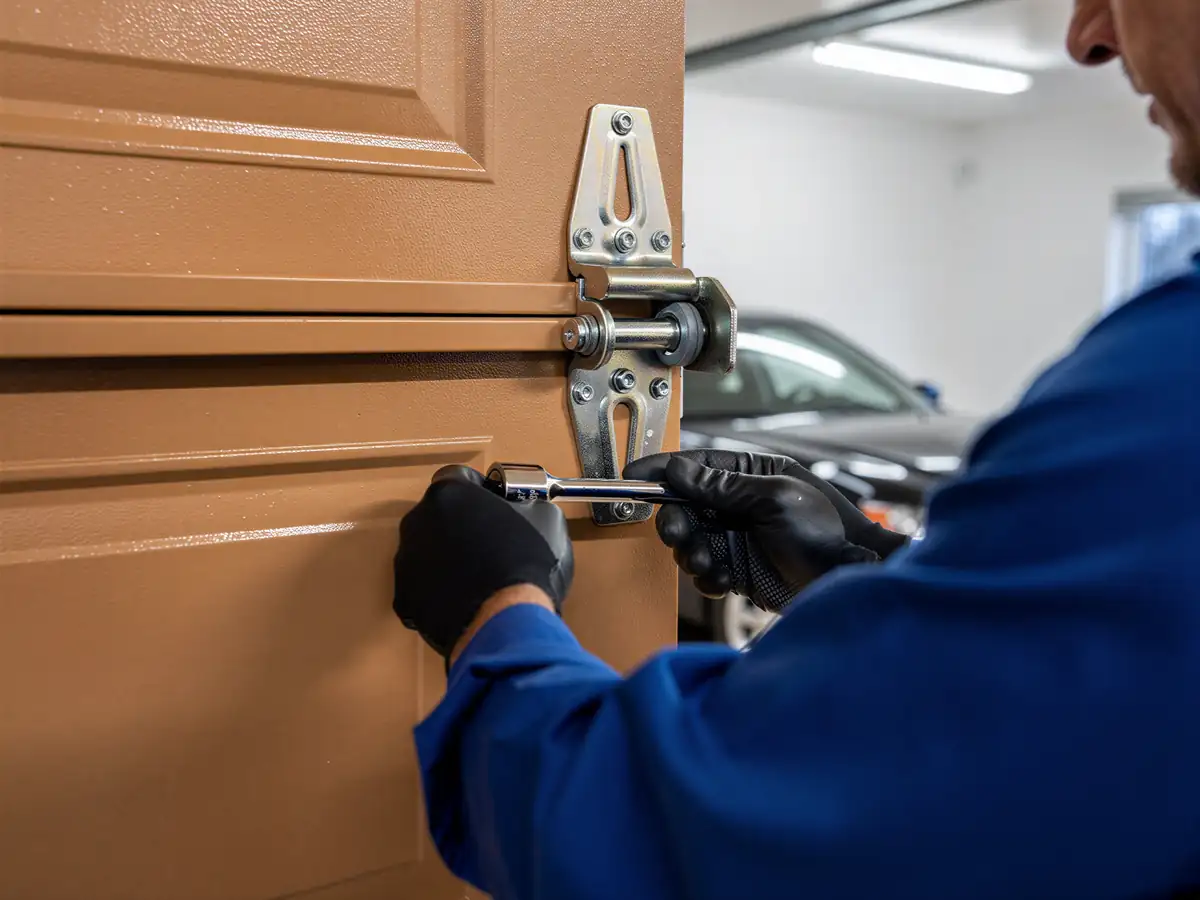
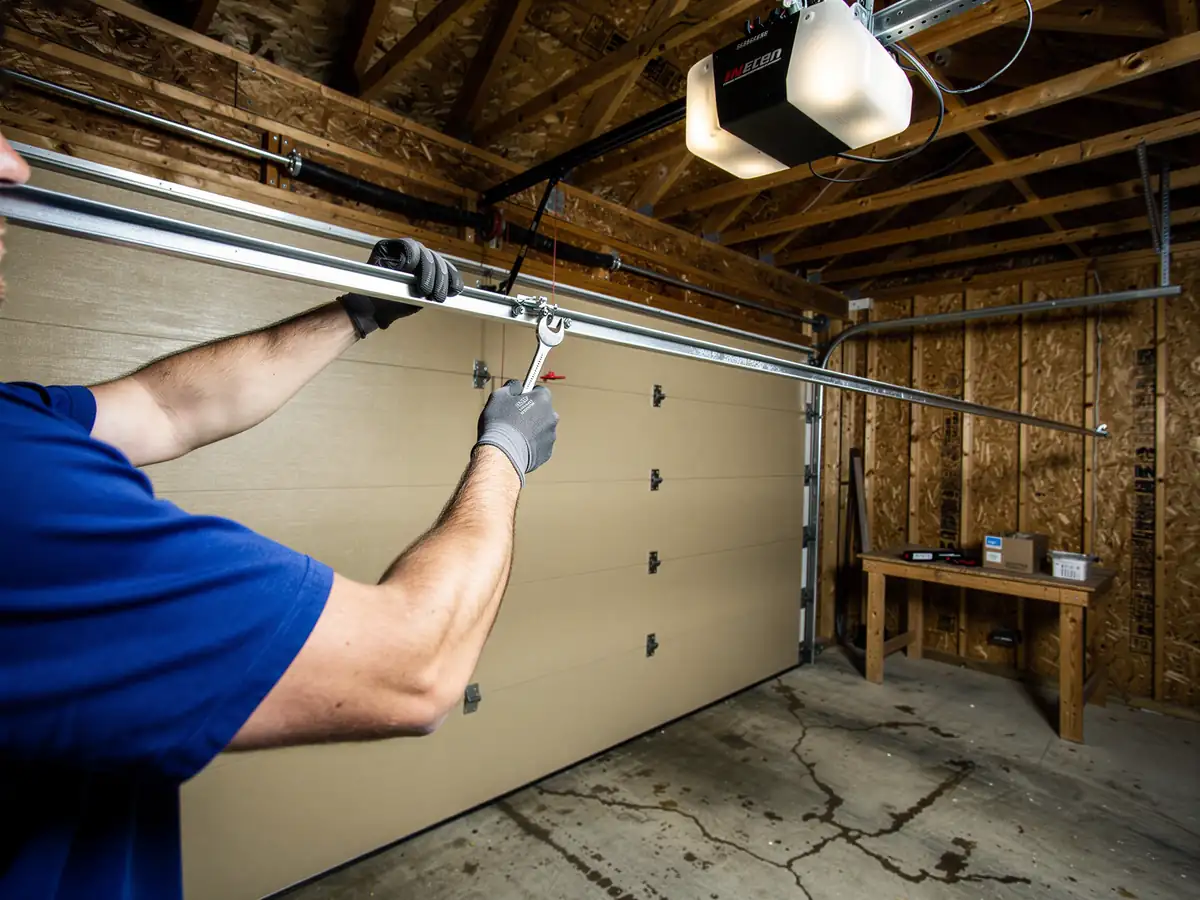
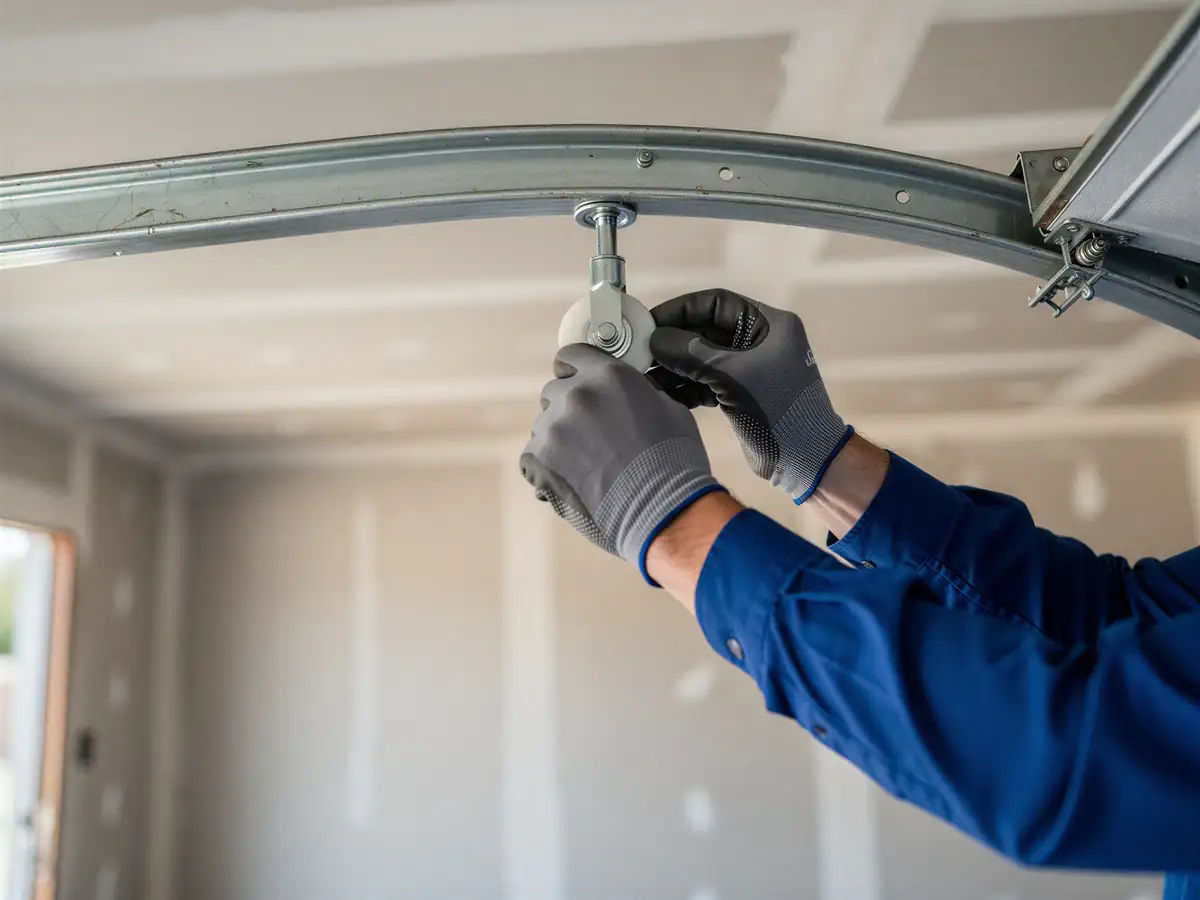
On a door this age, the track is almost always still straight and usable - it's the rollers that have given out, not the hardware around them. We pull the worn nylon rollers, check the stems and brackets they rode in for grooving or bent lips, and set new rollers with sealed bearings, which is a step up from what the builder put in originally and holds up better under the heavier cycle count a well-used double garage sees.
The honest limitation: if the track itself has flared or bent from years of a roller binding against it, roller replacement alone won't fix the door. At that point you're either straightening or replacing track, and we'll tell you that on site rather than sell you a roller swap that doesn't actually solve the noise. We'd rather say that up front than have you call back in a month with the same problem.
Sienna's climate band is mild with occasional freeze, which doesn't do much to rollers directly, but it does mean we're not fighting the kind of humidity swings or hard freeze-thaw cycles that crack nylon faster in other parts of the country. The rollers here fail from mileage, not weather.
How It Shows Up
The most common call we get from this part of the service area is a grinding or rumbling sound right as the door starts to move
Followed by a jerk partway up. That's a worn roller catching in the track rather than rolling smooth through it. On a newer, wider steel door like the ones common in Sienna, you'll also sometimes see the door hesitate or bind on one side before the other - a sign one roller has worn further than its opposite number.
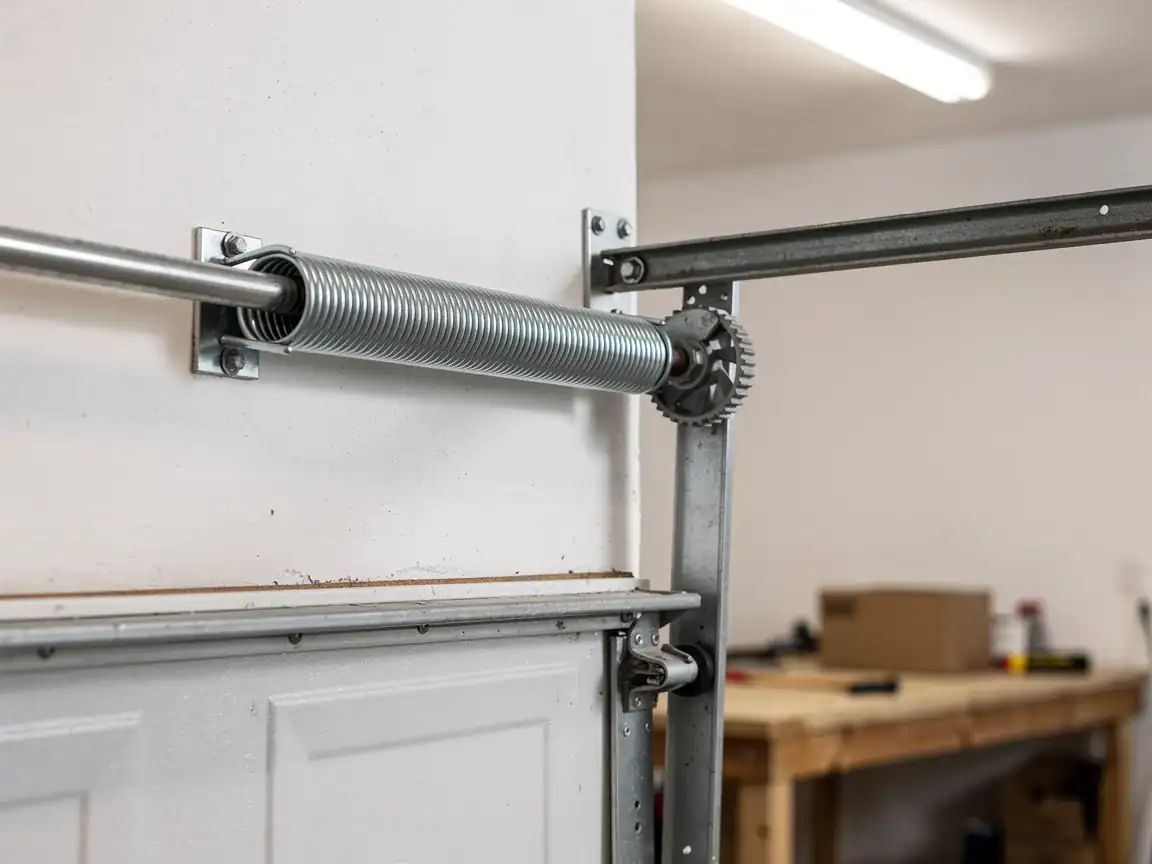
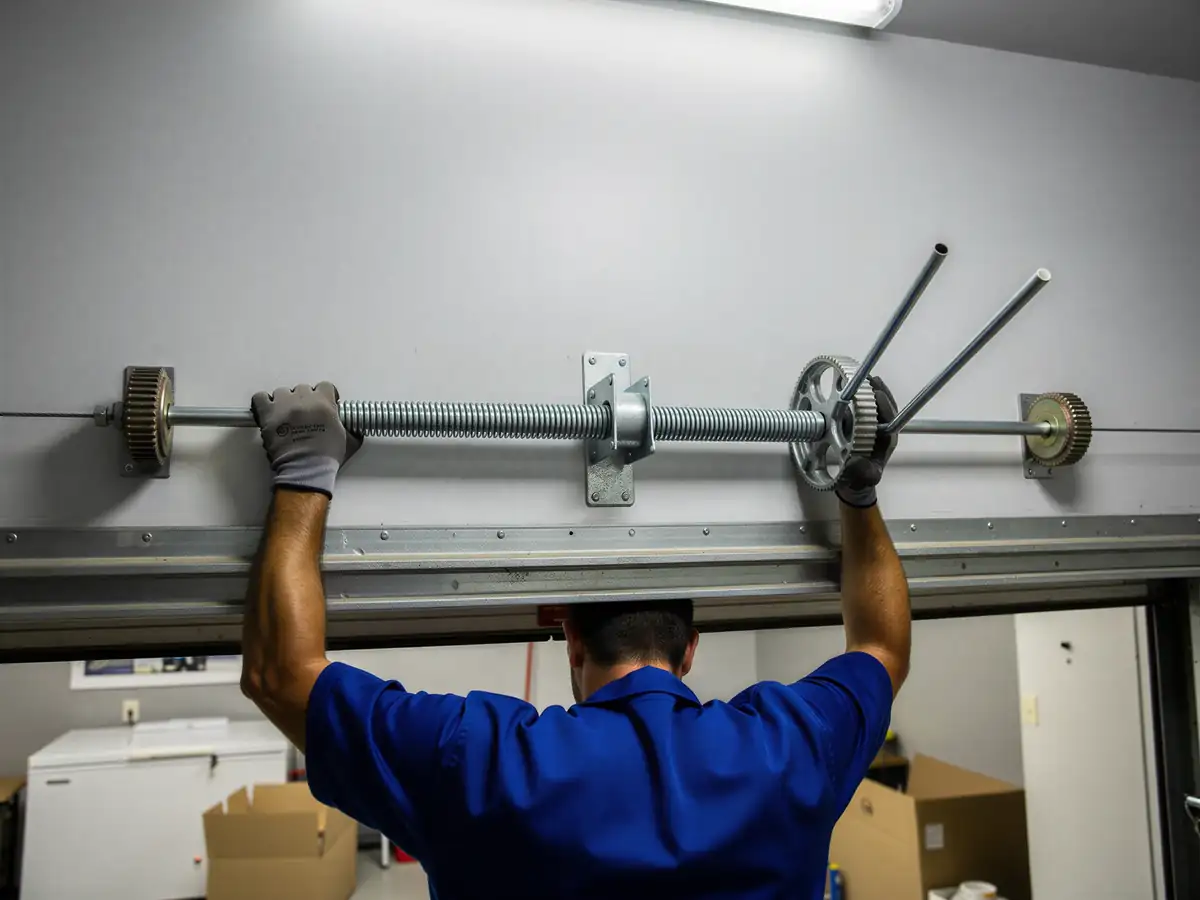
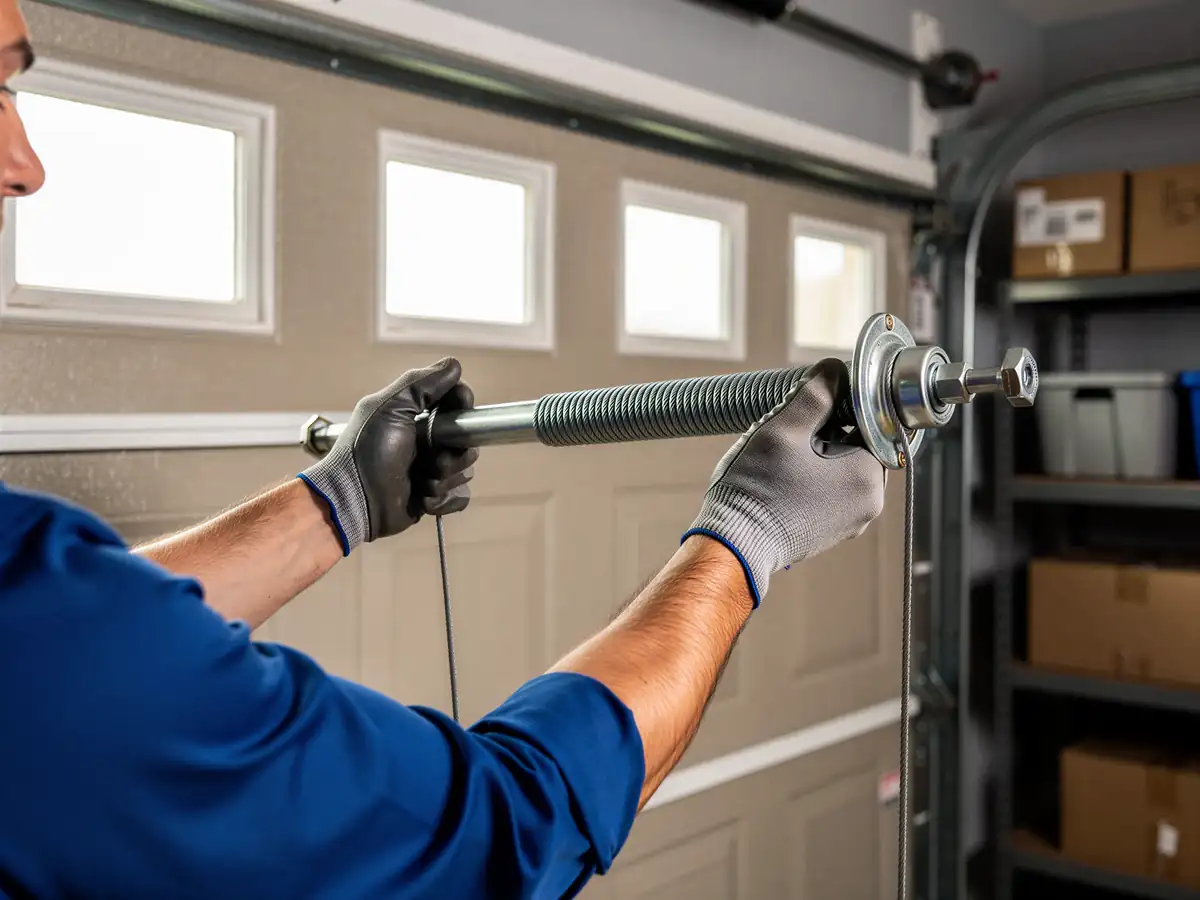
If you're hearing a single loud pop and the door won't move at all, that's more likely a spring, not a roller, and it's worth saying so plainly rather than quoting you a roller job that won't touch the actual problem
Rollers wear gradually and announce themselves with noise first. Springs tend to go all at once.