How It Shows Up
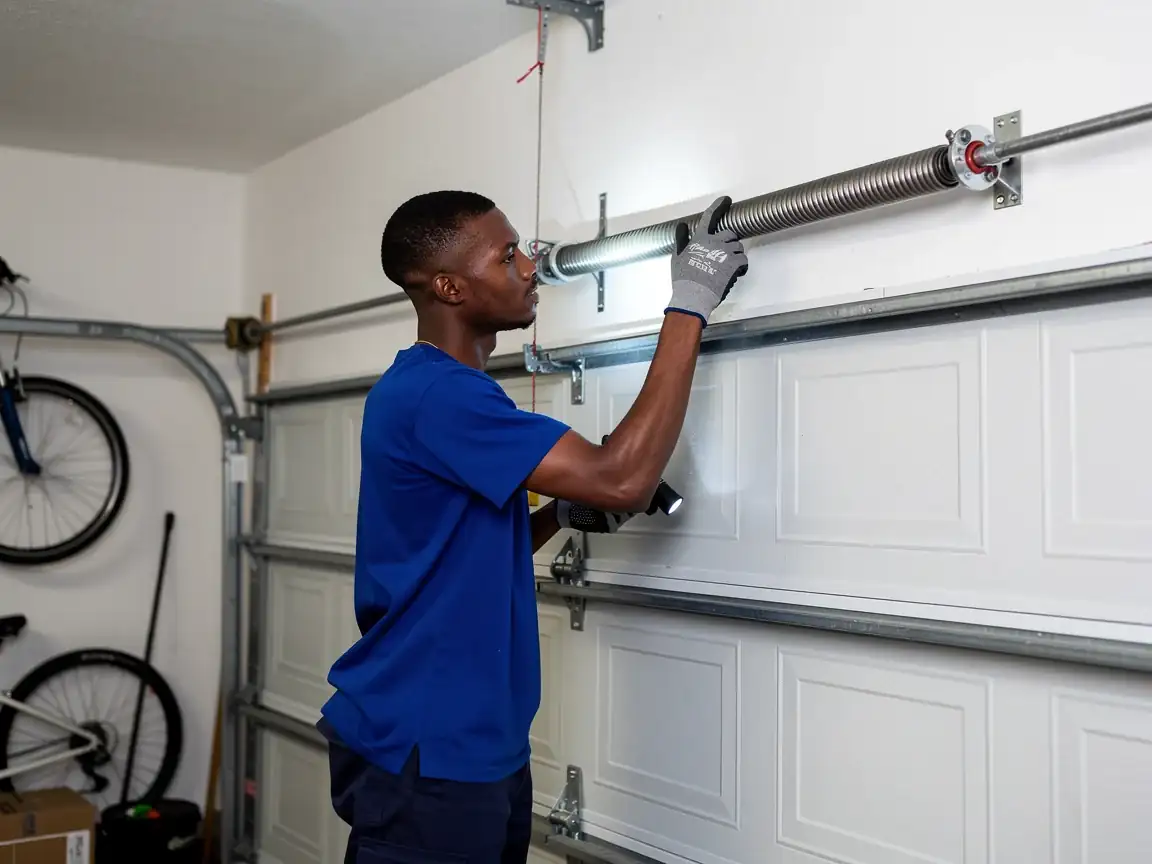
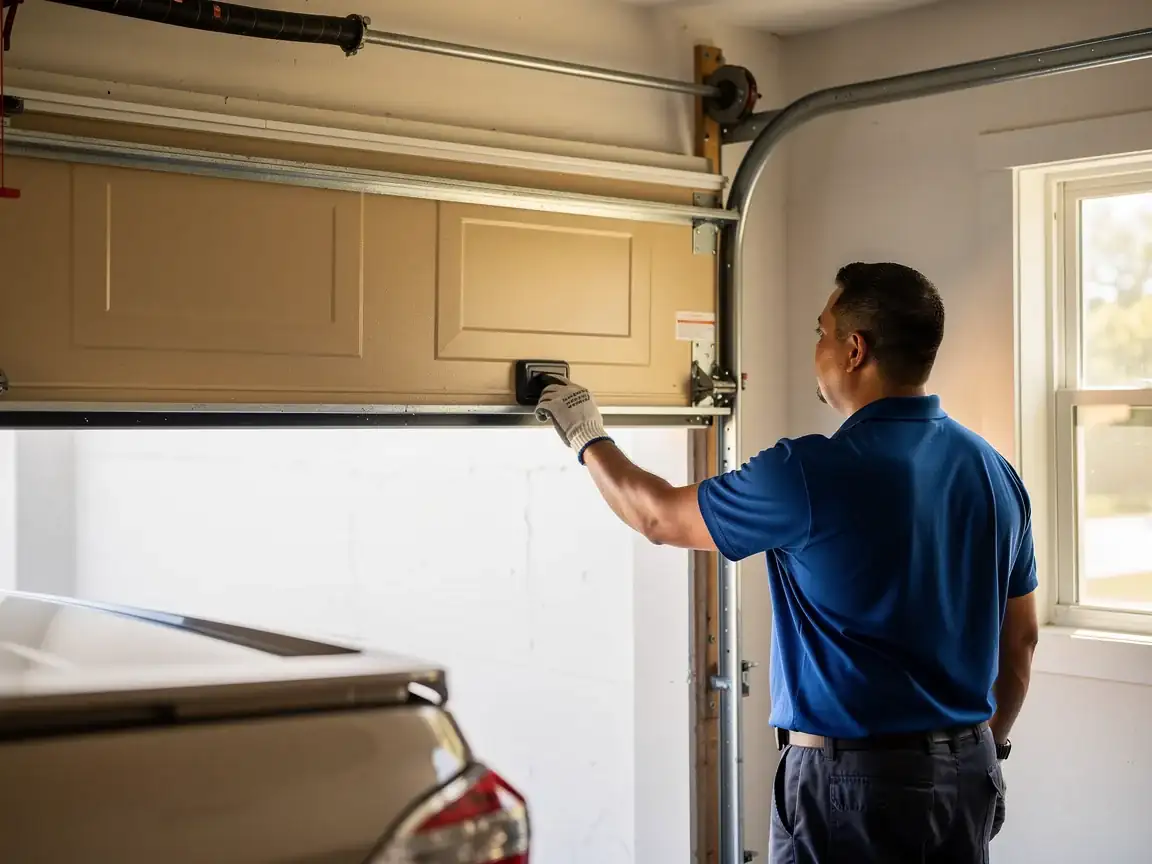
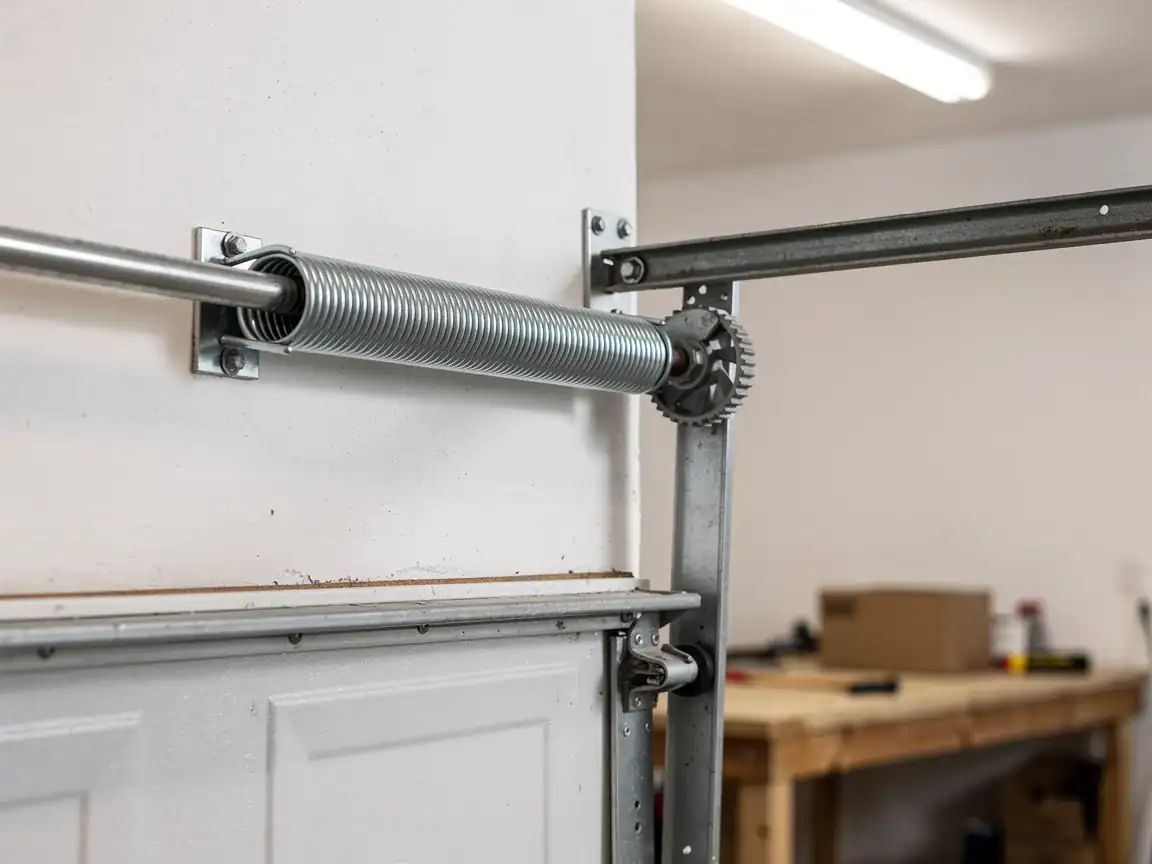
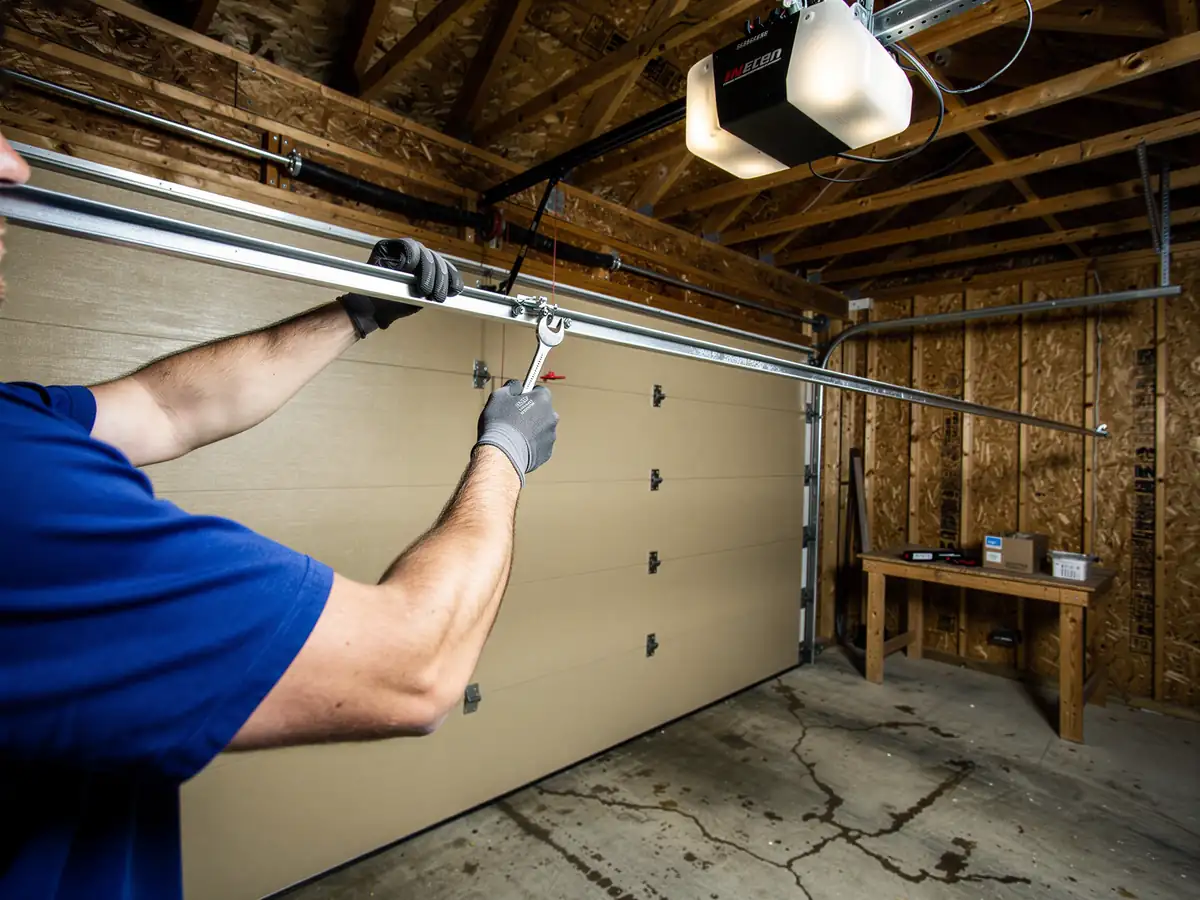
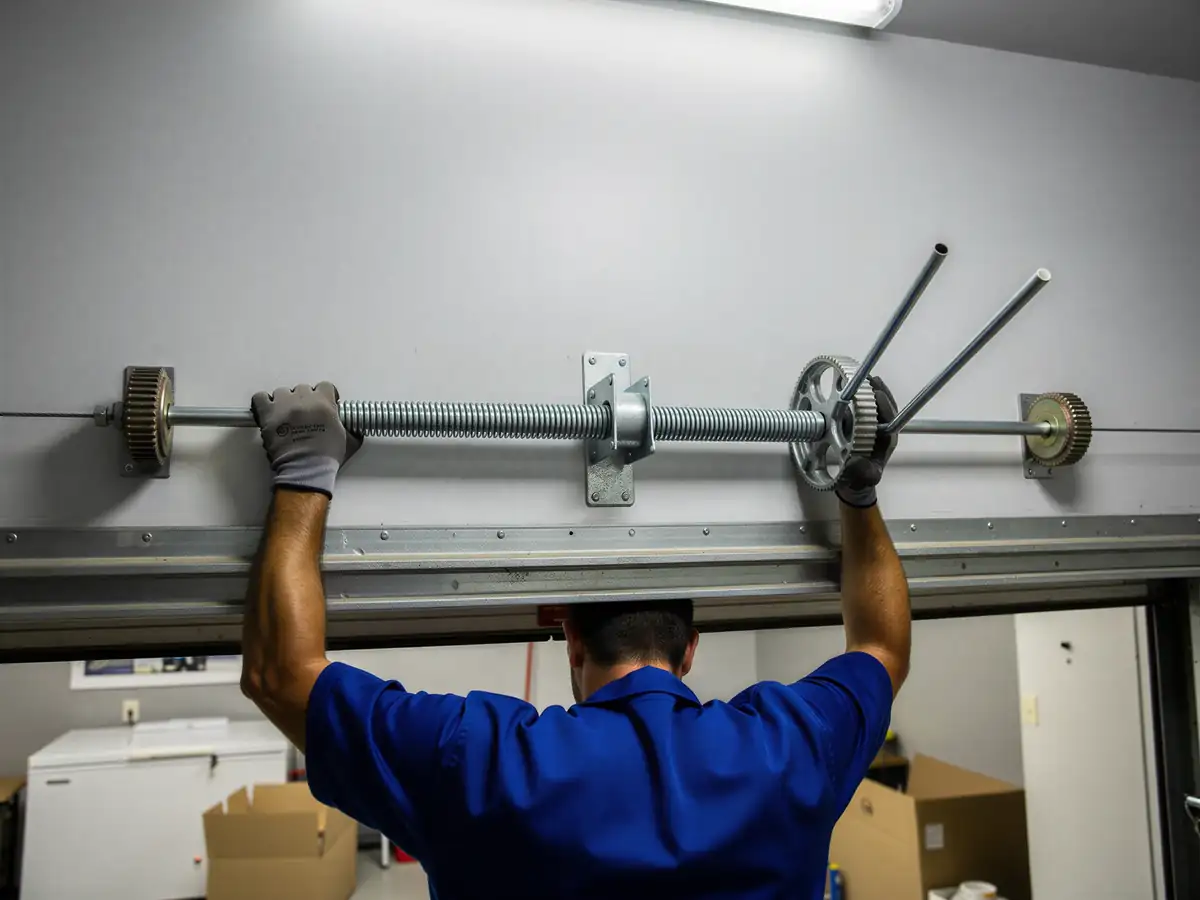
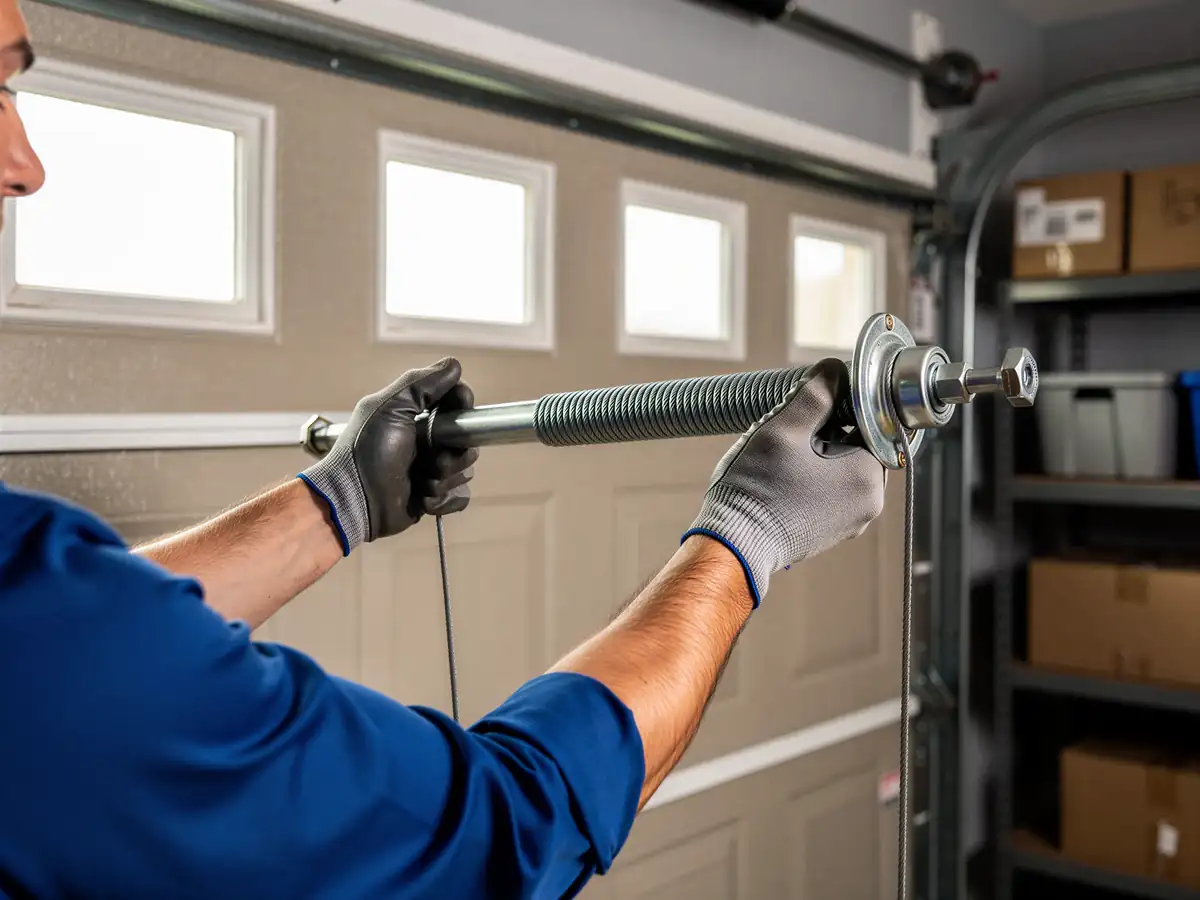
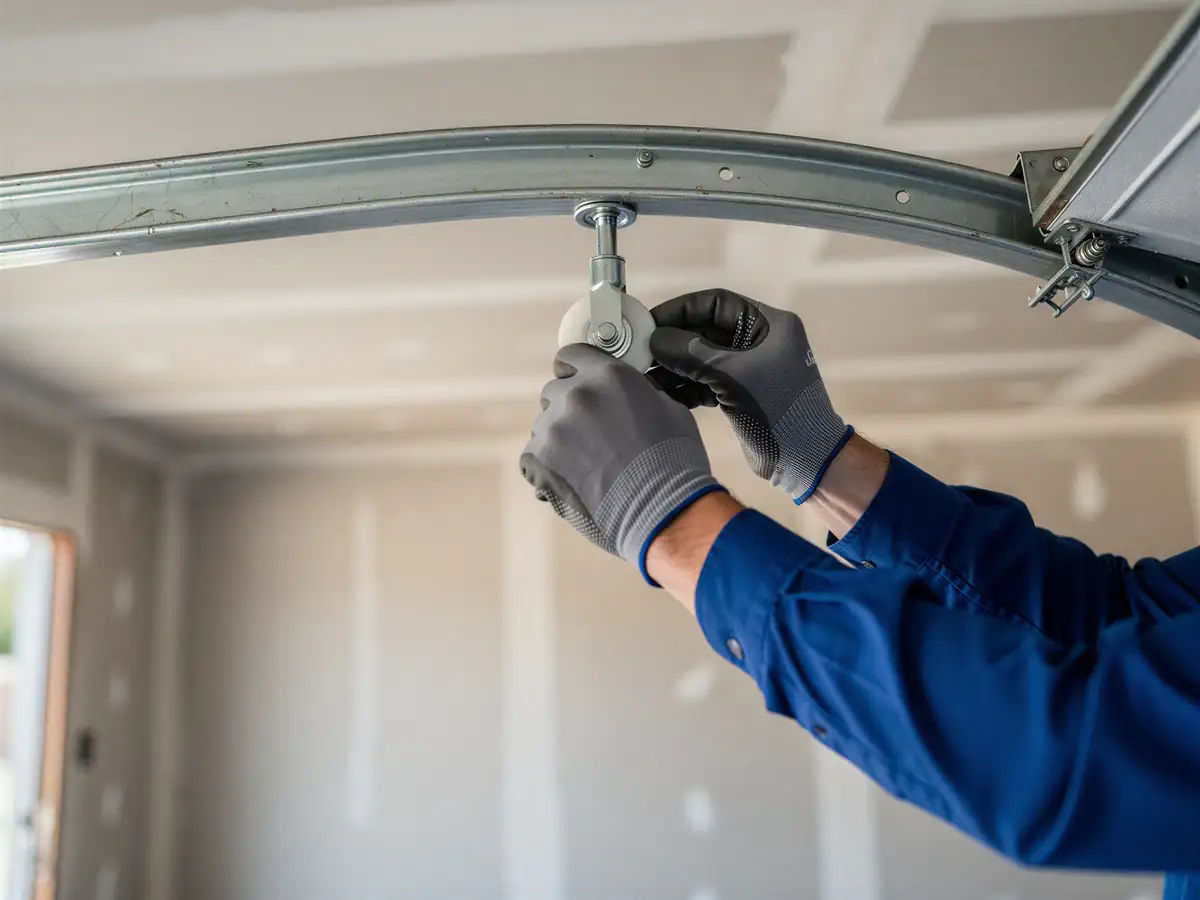
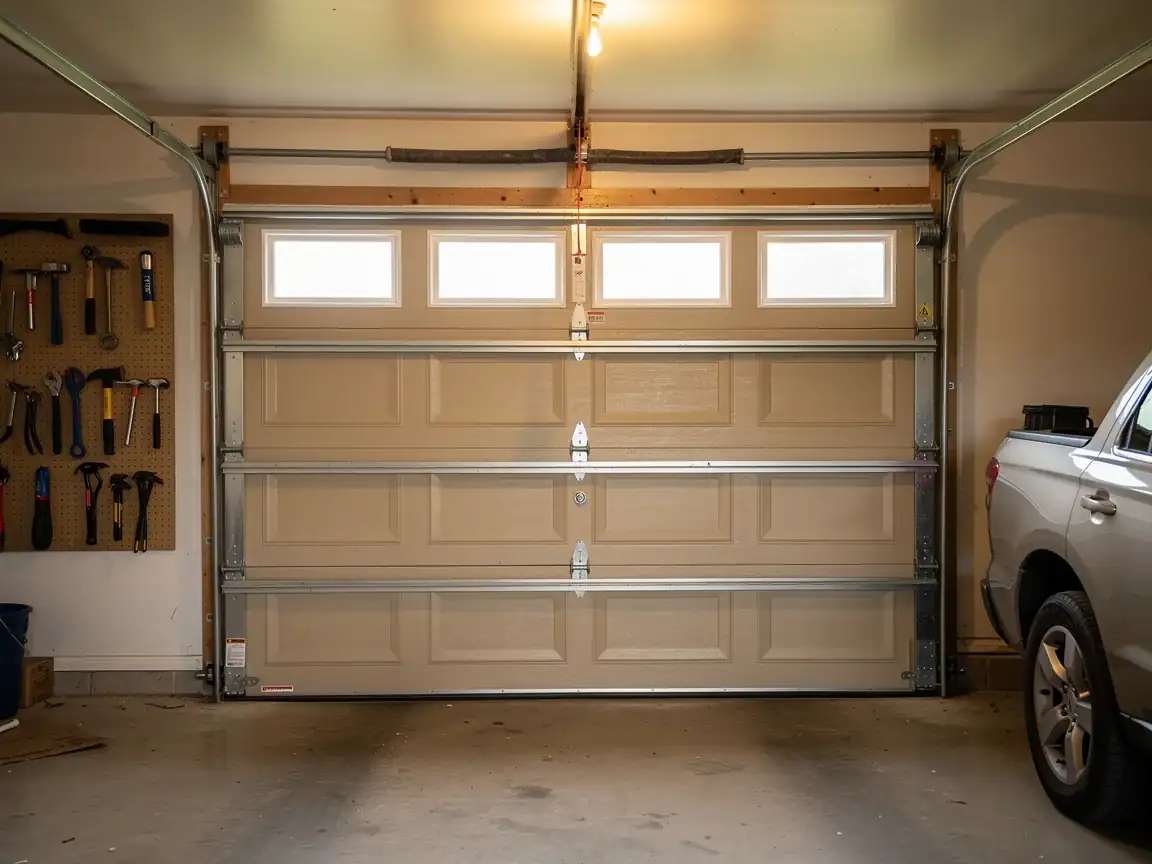
The failure pattern in Fresno looks different from what we see on older housing stock. You're not fighting rust-seized hinges from a 1970s door. You're fighting fatigue on parts that were fine for the first fifteen years and are now just done. A torsion spring that's been cycled twice a day for close to two decades will start giving you a door that feels heavier on the way up, or an opener that strains and clicks before it catches. Nylon rollers from a 2006 build are plastic, not steel, and by now they're often cracked or chipped, which shows up as a grinding or clunking sound right at the point where the door passes the bend in the track. Opener boards from that era are also starting to fail outright - not a slow decline, just a dead unit on a Tuesday morning. None of this is dramatic. It's wear catching up to a house that's old enough to need the work but young enough that the owner wasn't expecting it yet.
Why This Fails Locally
The climate here runs mild with the occasional freeze, which isn't hard on hardware the way a true freeze-thaw cycle is, but it does mean grease and lubricant on original rollers and hinges have had nineteen years to gum up, dry out, and collect dust without anyone ever re-lubricating them. Builders in 2006 used a standard-grade torsion spring sized for the door weight at the time, not for a two-decade service life, and that's the part that's aging out across Fresno right now, roughly on schedule. This isn't a defect specific to any one builder - it's just what happens to a standard-issue spring at year eighteen or nineteen. The households here report a median income north of what you'd expect for deferred maintenance to be about cost, but it's often just not top of mind until the door fails.
Stocked Parts
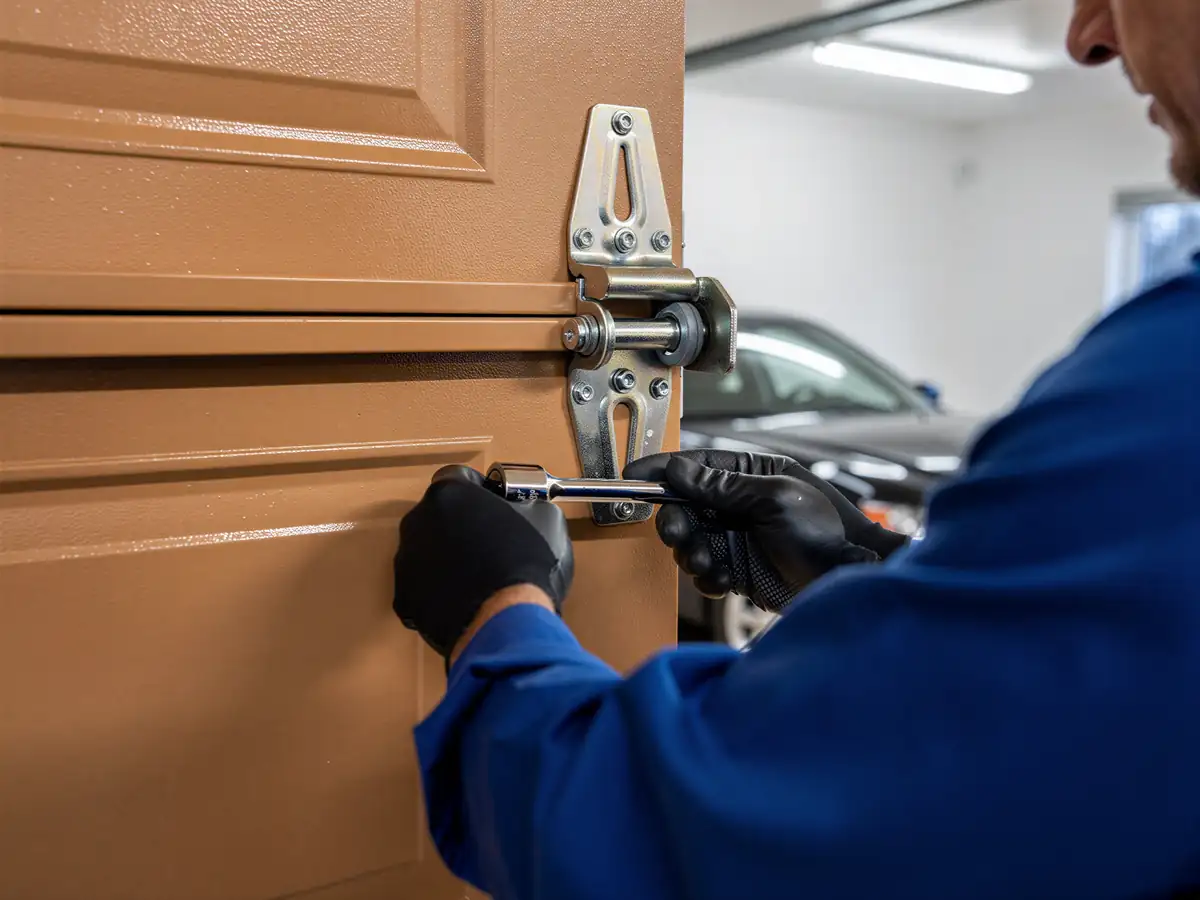
Because Fresno's housing is concentrated in that mid-2000s window, the truck carries what that generation of door actually needs: torsion springs sized for standard builder-grade double and single doors, steel ball-bearing rollers to replace the original nylon ones, and standard safety sensor pairs for openers from that era. What we don't always have on the truck is an exact cable or drum match for a handful of the larger original double-door setups - those sometimes need a short order, and we'll tell you that up front rather than force a part that's close enough.
The DIY Question
A torsion spring under tension is not a weekend project, in Fresno or anywhere else - that's true regardless of the age of your door, and it's the one place we won't talk a homeowner through doing it themselves. Where DIY does make sense here: if your door is from the 2006 wave and the only symptom is a dry, squeaky roller sound, lubricating the track and hinges yourself is reasonable and cheap. But if the door feels heavy, drops fast, or the opener strains before it catches, that's spring fatigue talking, and on a door this age, it's closer to end-of-life than a quick fix.