How It Shows Up
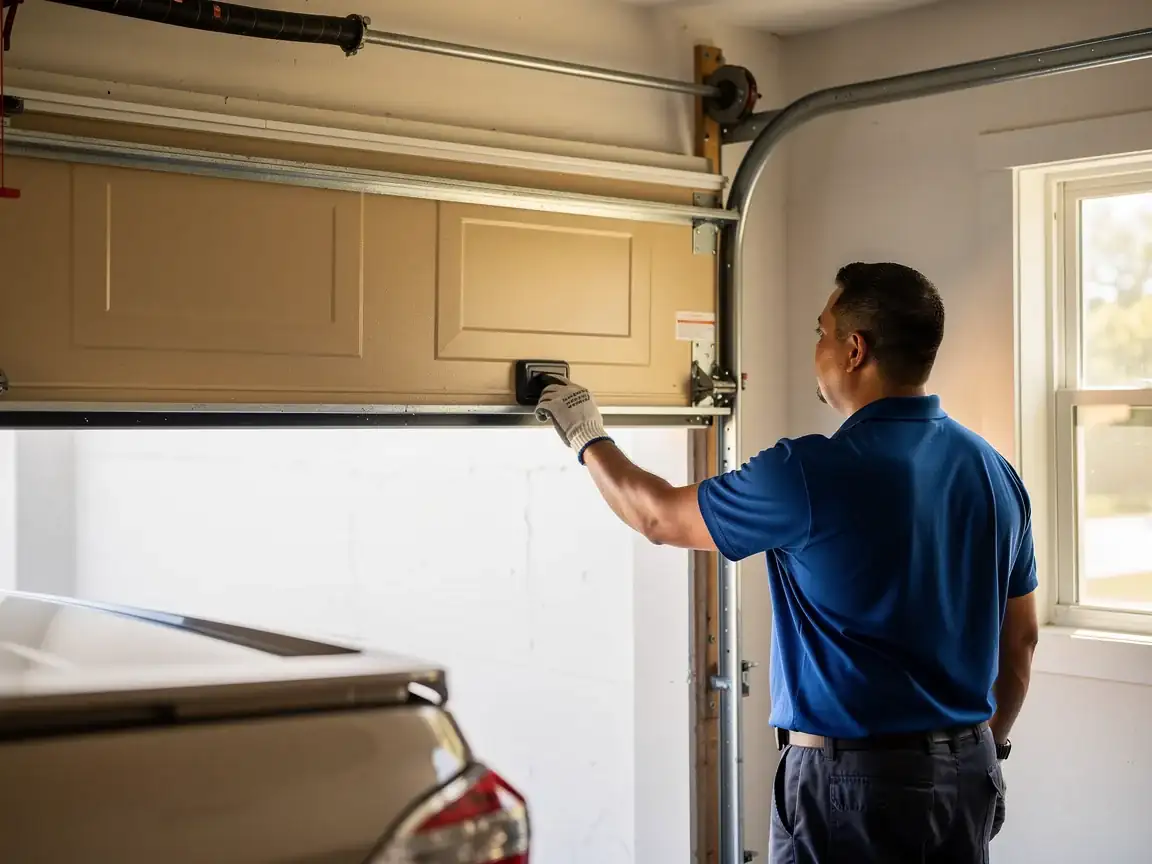
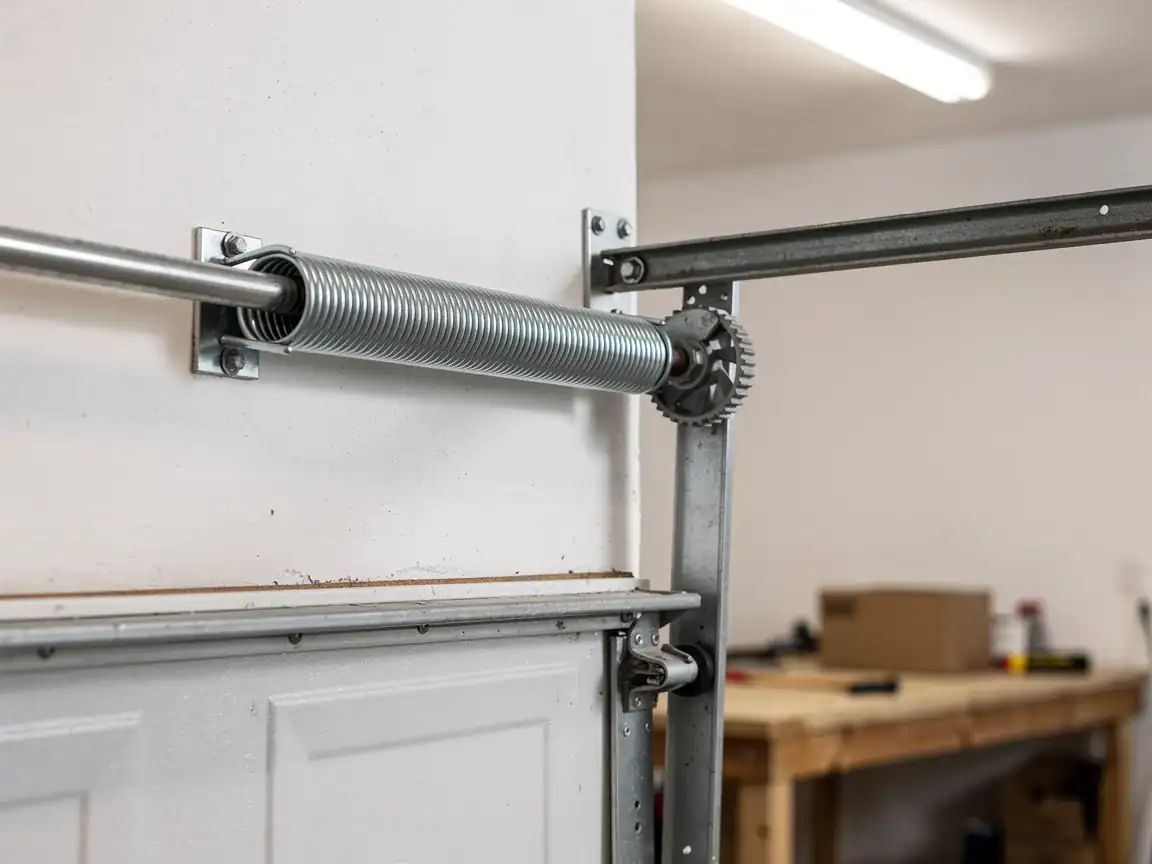
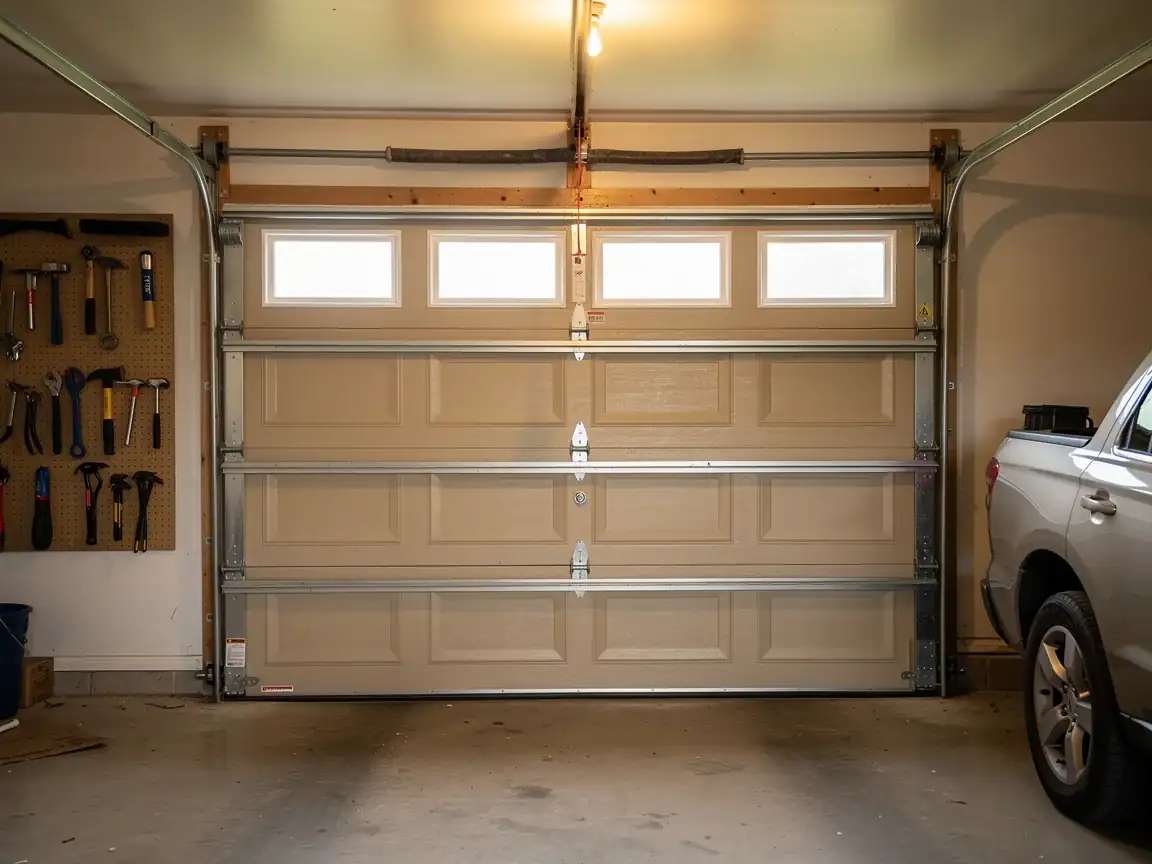
On a 2006-era door, the first sign is usually the opener straining - it'll grind or stutter partway up, or the remote will trigger the motor but the door just sits there. That's the spring, not the opener, even though the opener gets blamed first. On older torsion setups you'd more often hear a bang from a sudden snap. Builder-grade springs from this era tend to go gradually: the door gets heavier to lift by hand over a few weeks before it finally gives out. If you're testing it yourself, pull the release cord and lift the door manually - if it feels like dead weight instead of lifting with some resistance and staying put, the spring's done or close to it.
Why This Fails Locally
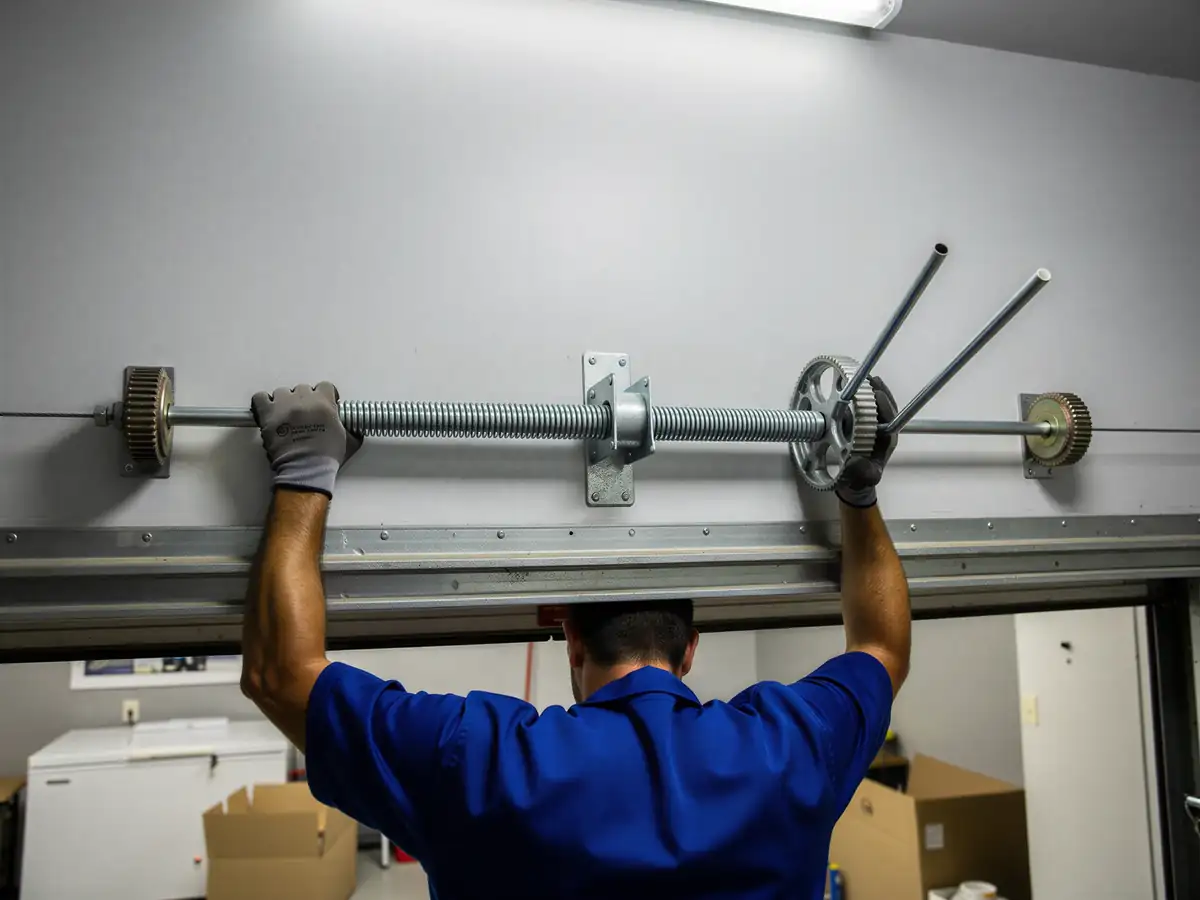
With 7,861 households in Fresno and a median income of $89,442, a lot of these are production homes built in the same few years by the same builders, which means a lot of identical torsion spring setups aging out on a similar timeline right now. The mild, occasional-freeze climate here doesn't put the rust stress on hardware that you'd see further north, so corrosion isn't usually the driver. The driver is cycle count on a spring that was never rated for anything but the builder's minimum spec. When one goes on a street of similar-vintage homes, it's not unusual to get called back to a similar house a few doors down within the same season.
Stocked Parts
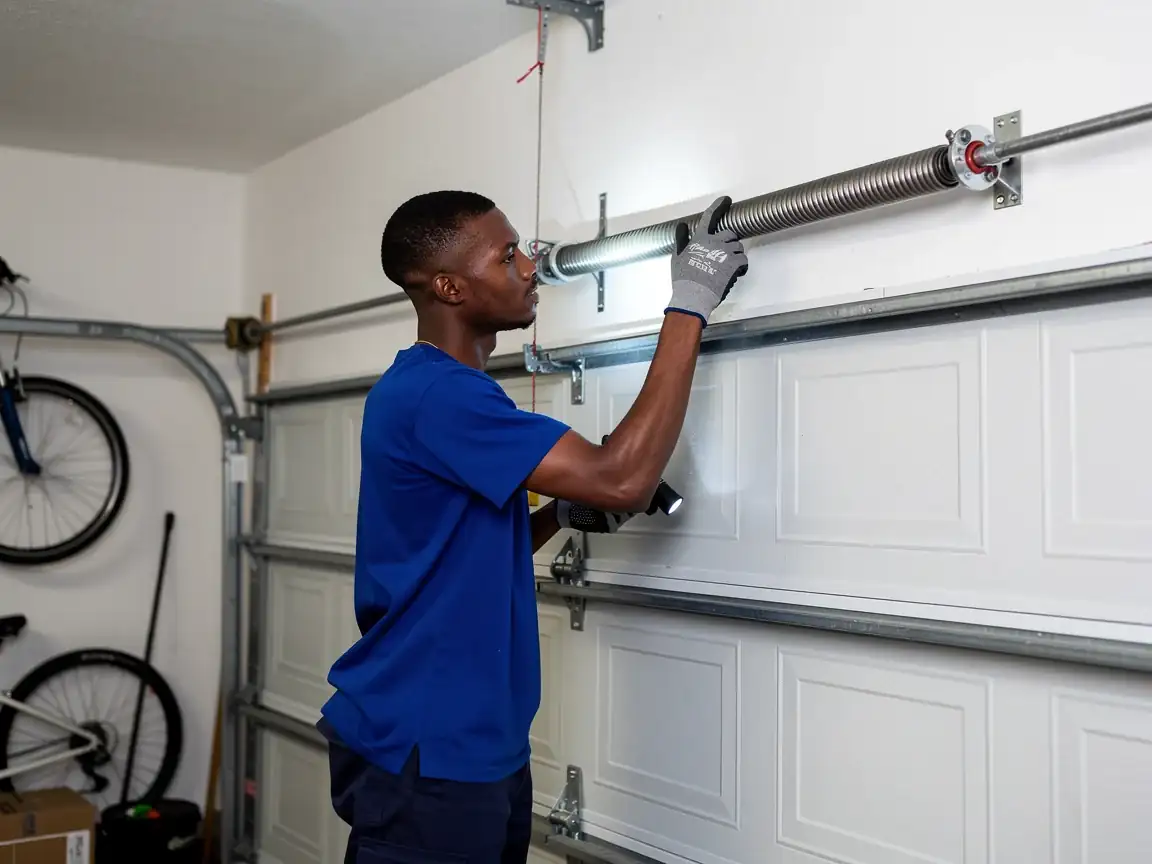
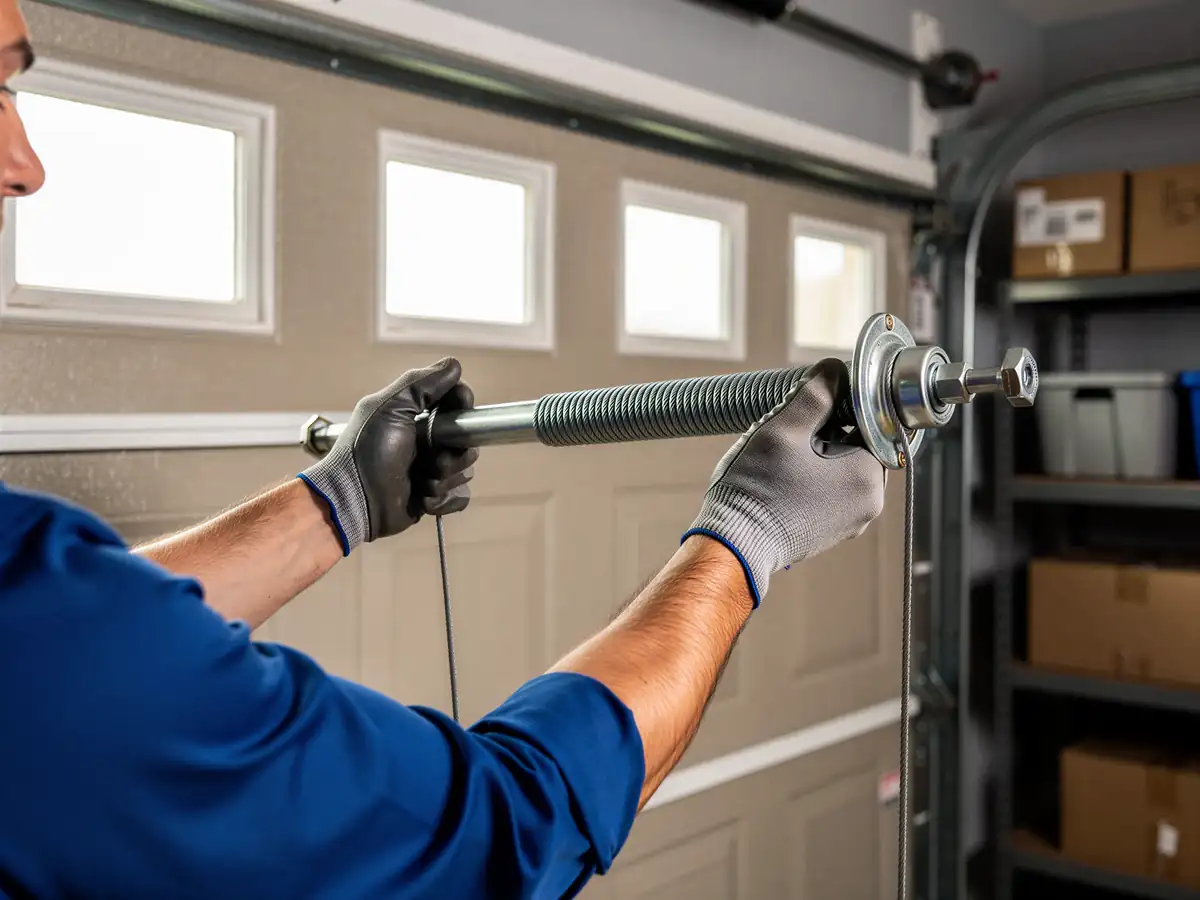
We carry common torsion spring sizes on the truck for the door weights and wind patterns typical of this build era, along with standard cables and drums. What we don't carry is every oddball spring a custom builder might have spec'd - if a prior owner put in a nonstandard door or upgraded to an insulated panel that changed the weight, that spring may need to be ordered, and that's a wait we won't pretend doesn't exist. We'd rather tell you the part's on order than put the wrong spring on your door to make the visit faster.
The DIY Question
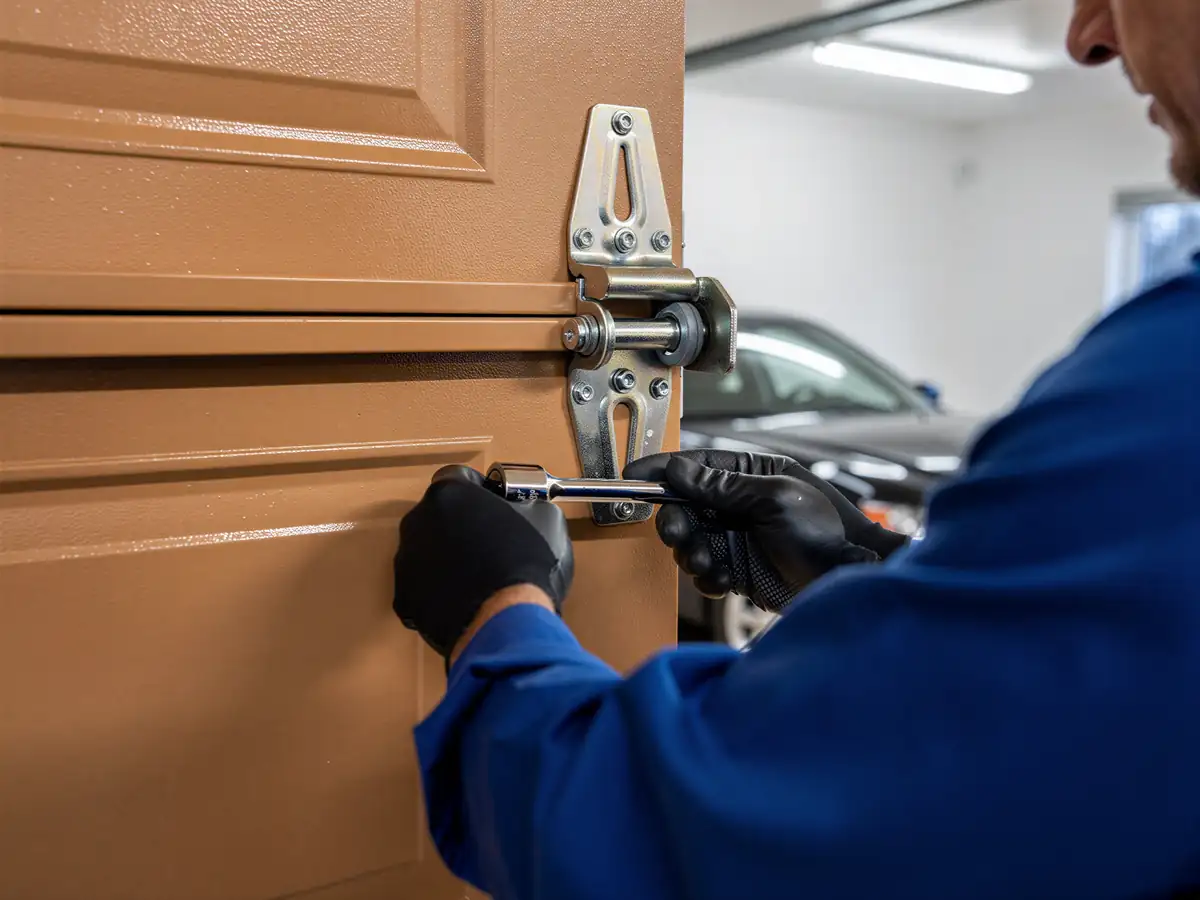
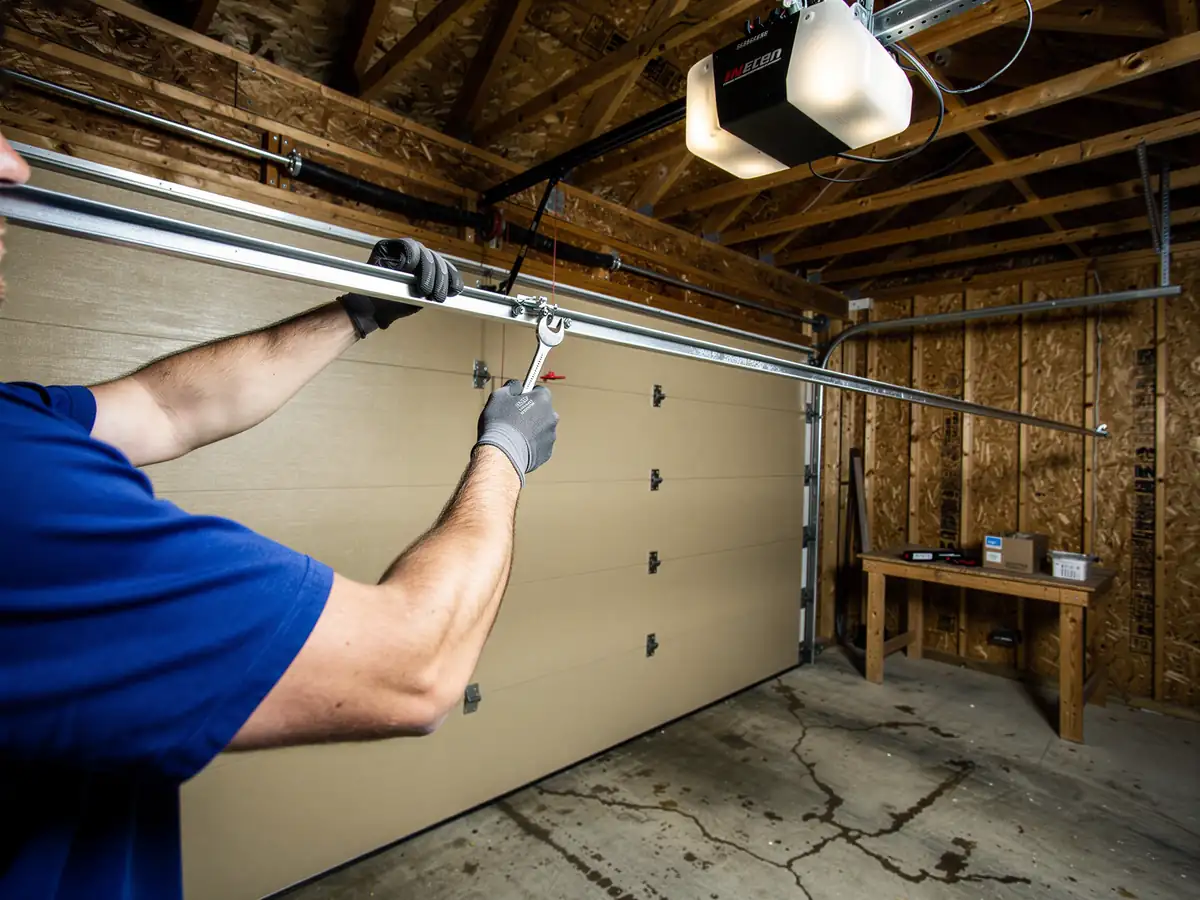
Torsion springs store enough force to break a hand or worse, and that's true whether the door's from 1991 or 2006. We don't recommend DIY spring replacement, full stop - not because the job is impossible to learn, but because the margin for error with a bar slipping or a cable under tension is not something worth testing on your own garage. What you can safely do yourself: the manual lift-and-balance check described above, and a visual look at the spring for a visible gap or separation, which tells you it's already broken and the door needs to stay down until it's fixed. For anything past that, call it in.