Where This Job Goes Sideways
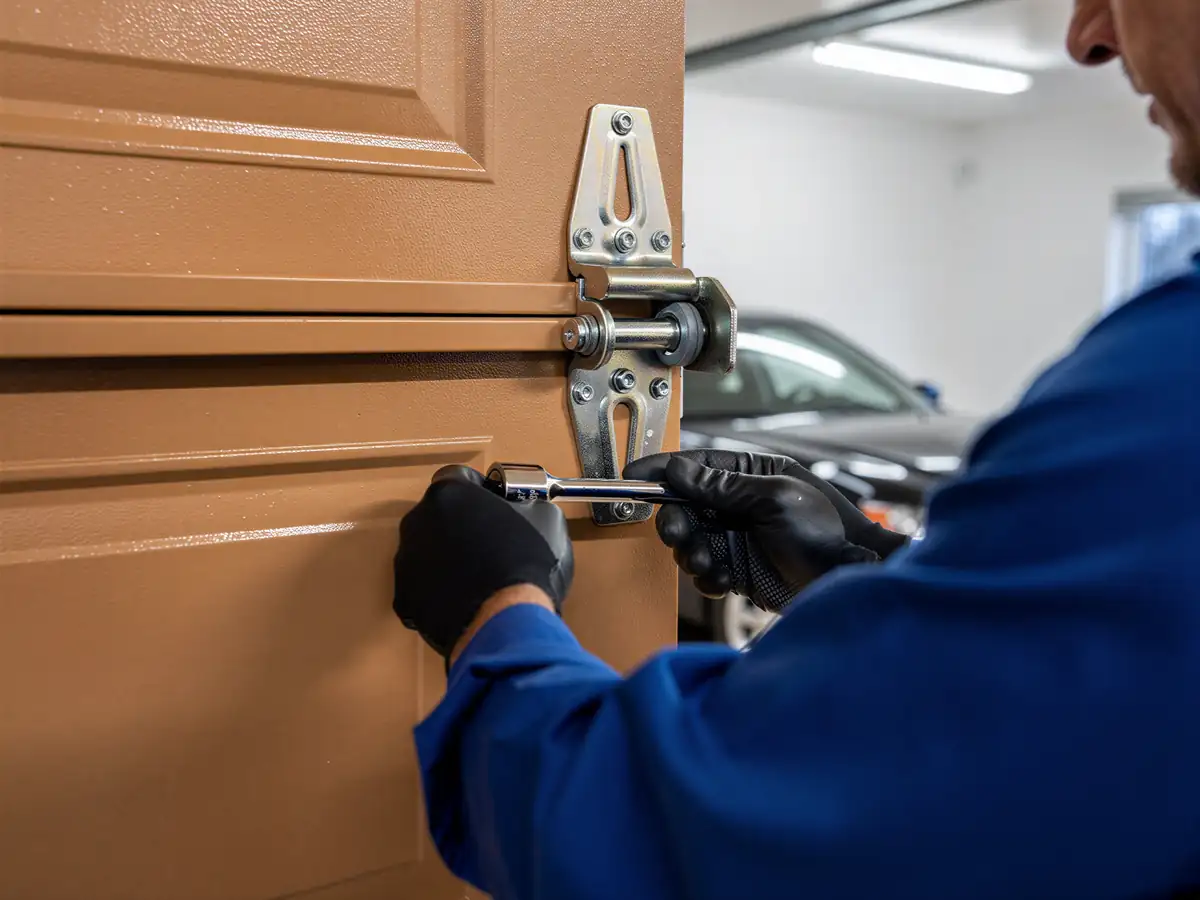
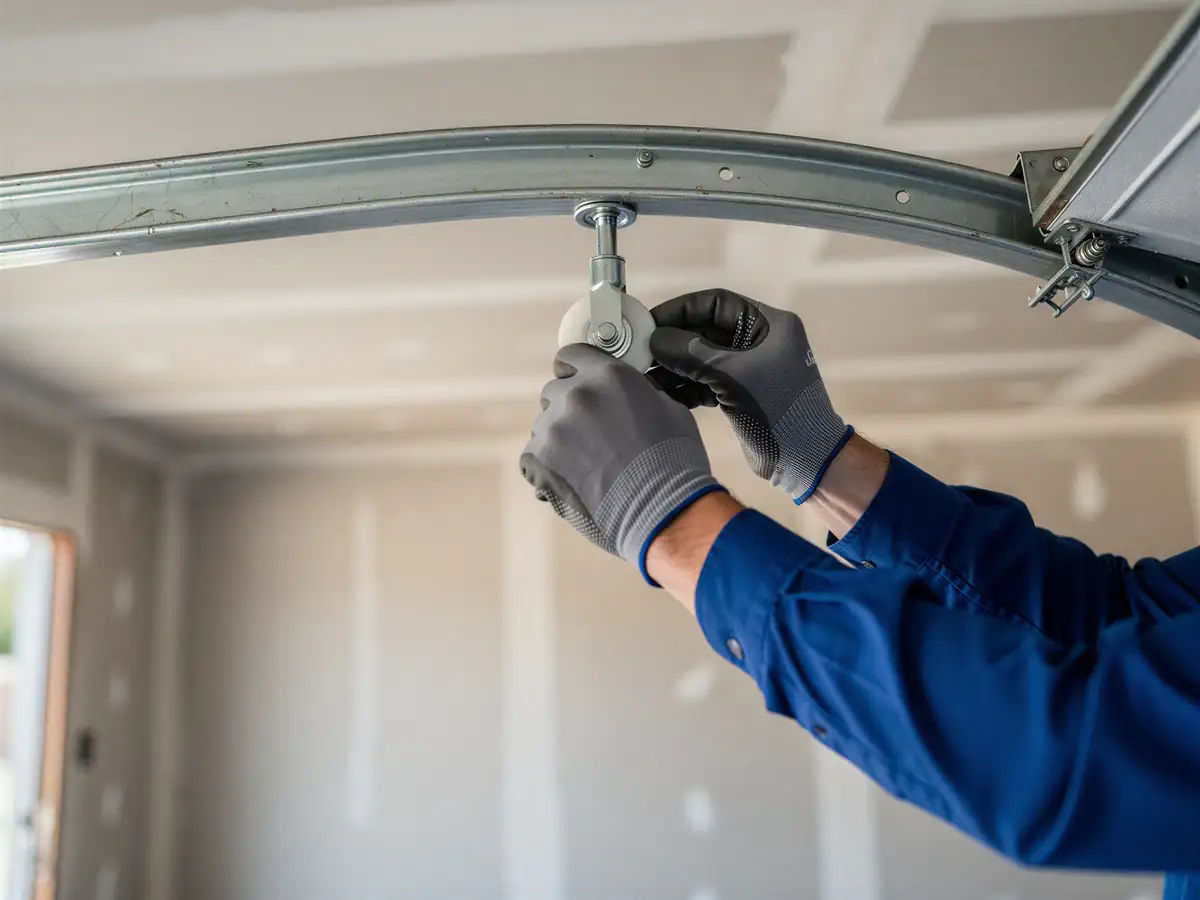
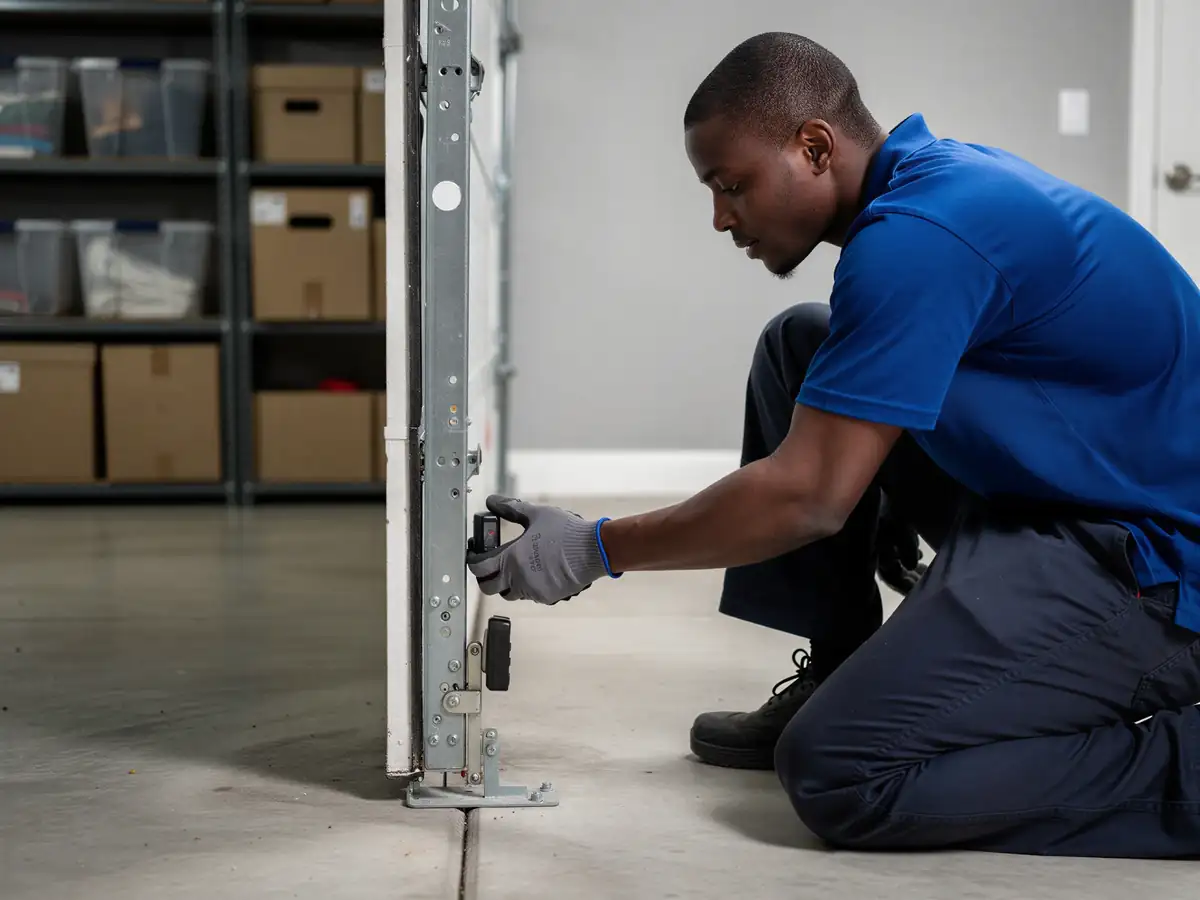
The failure we see most in Manvel's newer doors isn't the cable snapping clean - it's one strand fraying at the drum while the rest of the cable still looks fine, so the door runs crooked for weeks before anyone calls. On a 16-foot double door, an uneven cable puts the whole panel under twist, and if you keep running the opener on it, you can crack a bottom panel or bend the track bracket on the short side. Humidity and the mild-freeze winters this area gets don't rust these cables out the way they would older galvanized hardware, but they do let moisture sit in the drum groove, which speeds up fraying once the coating wears through. The other place this goes wrong: a homeowner replaces the cable themselves but doesn't release spring tension first, and the drum spins free the moment the old cable comes off. That's not a scratch-and-dent problem, that's a trip to urgent care.
The DIY Question
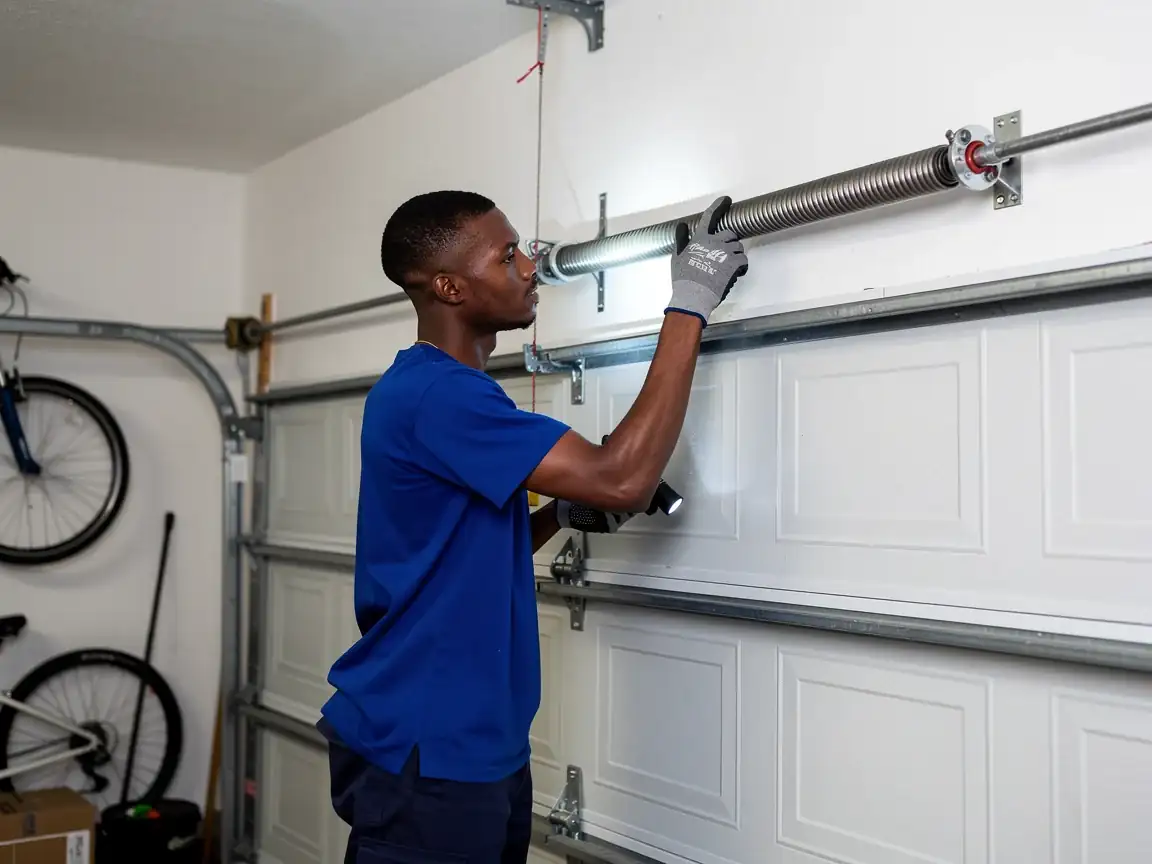
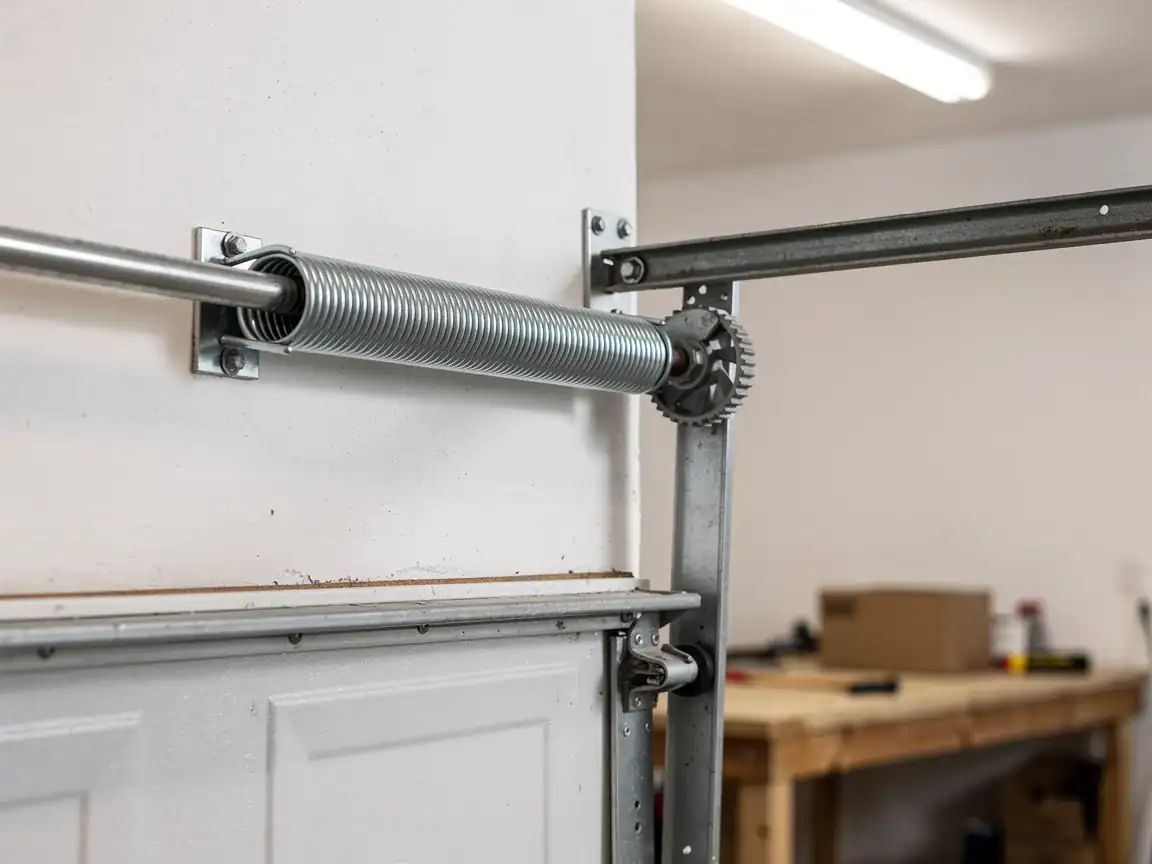
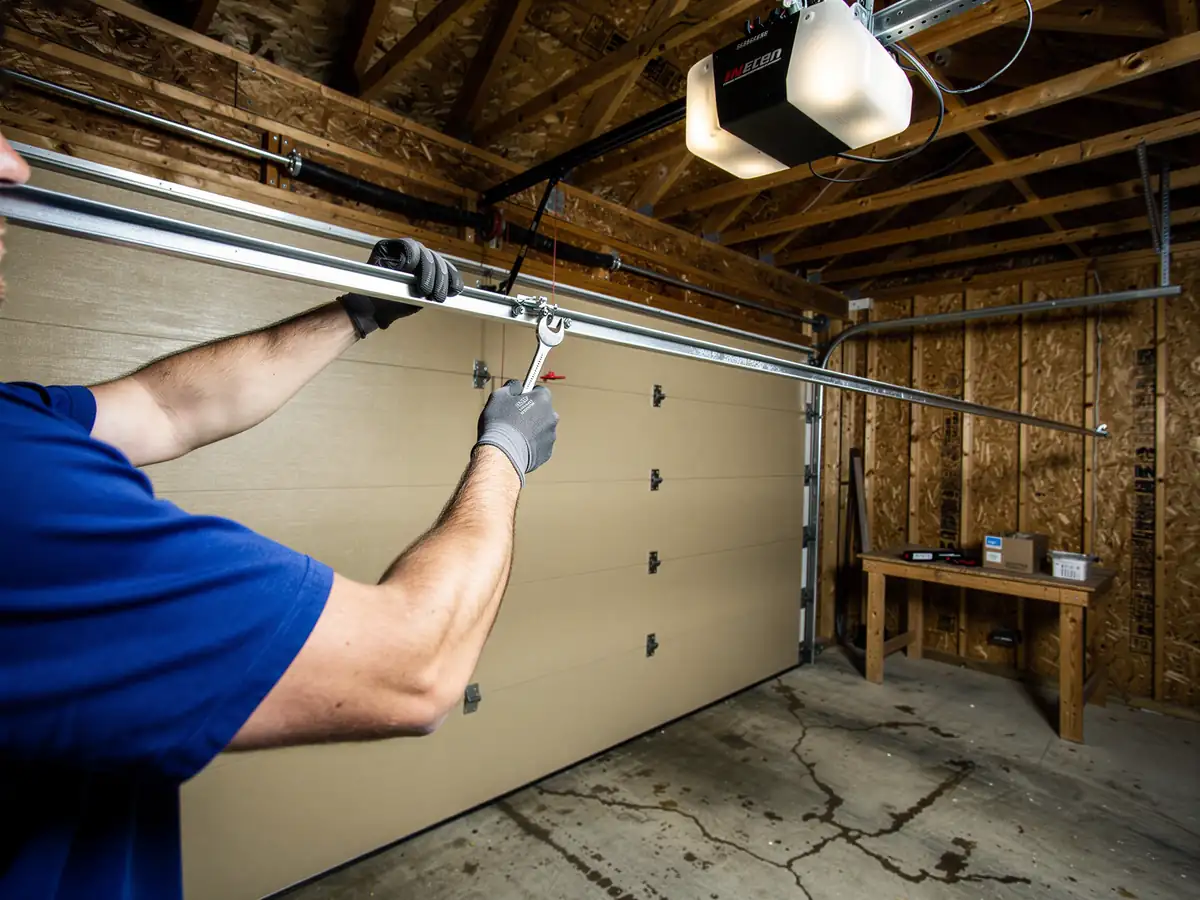
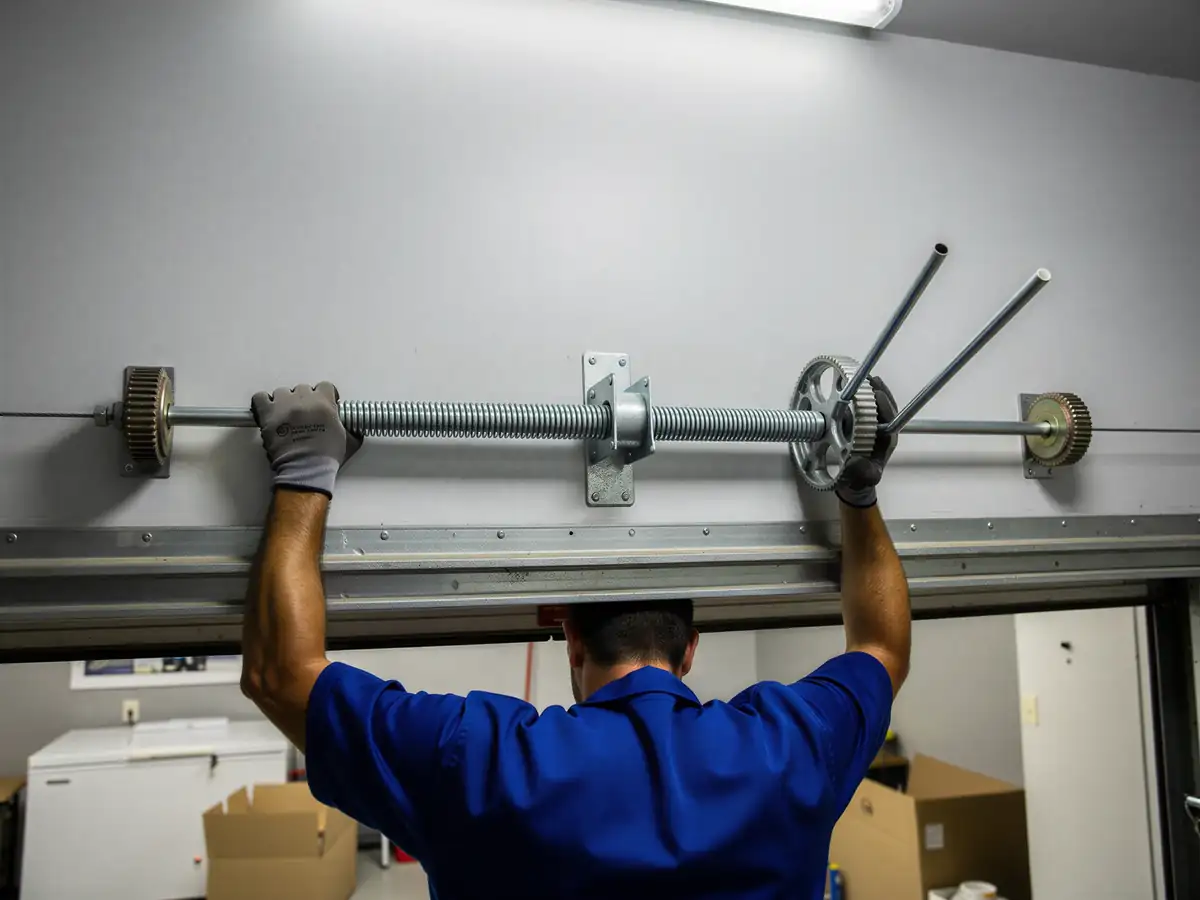
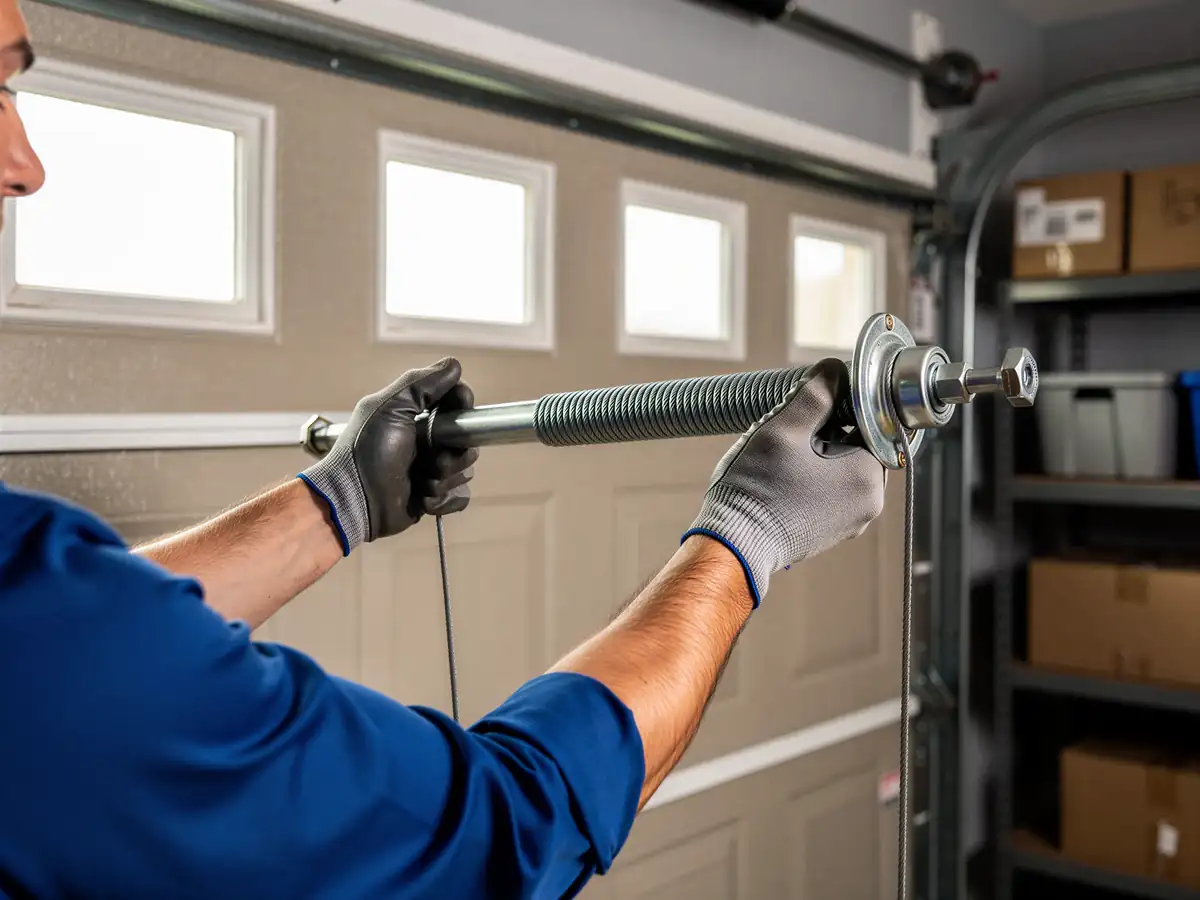
A cable under tension is not a part you want to learn on. The spring that keeps that cable taut can hold a few hundred pounds of force, and releasing it the wrong way is how people lose fingers or get hit by a drum bar. If your door is one of the newer builder-grade models common around Manvel, the cables are usually a standard length and gauge, which makes the part easy to get - but getting the part isn't the hard part. Winding the drum back to the correct number of turns, checking both sides are even, and making sure the door doesn't climb or dive once you reconnect the opener is where this job actually lives. If you're comfortable with a locking pliers clamp and a torsion bar, fine, this is one of the more approachable garage door repairs. If you're not sure how many turns your drum takes, that's the sign to call instead of guess.
How It Shows Up
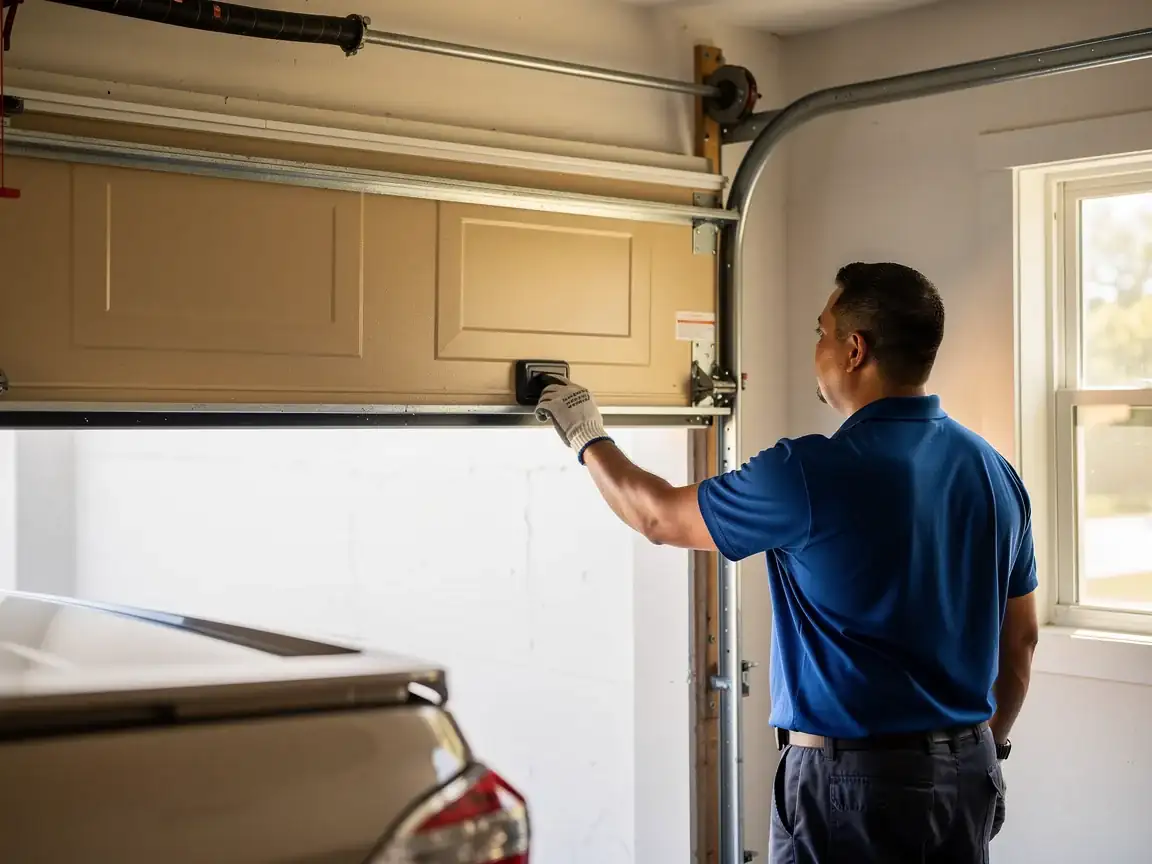
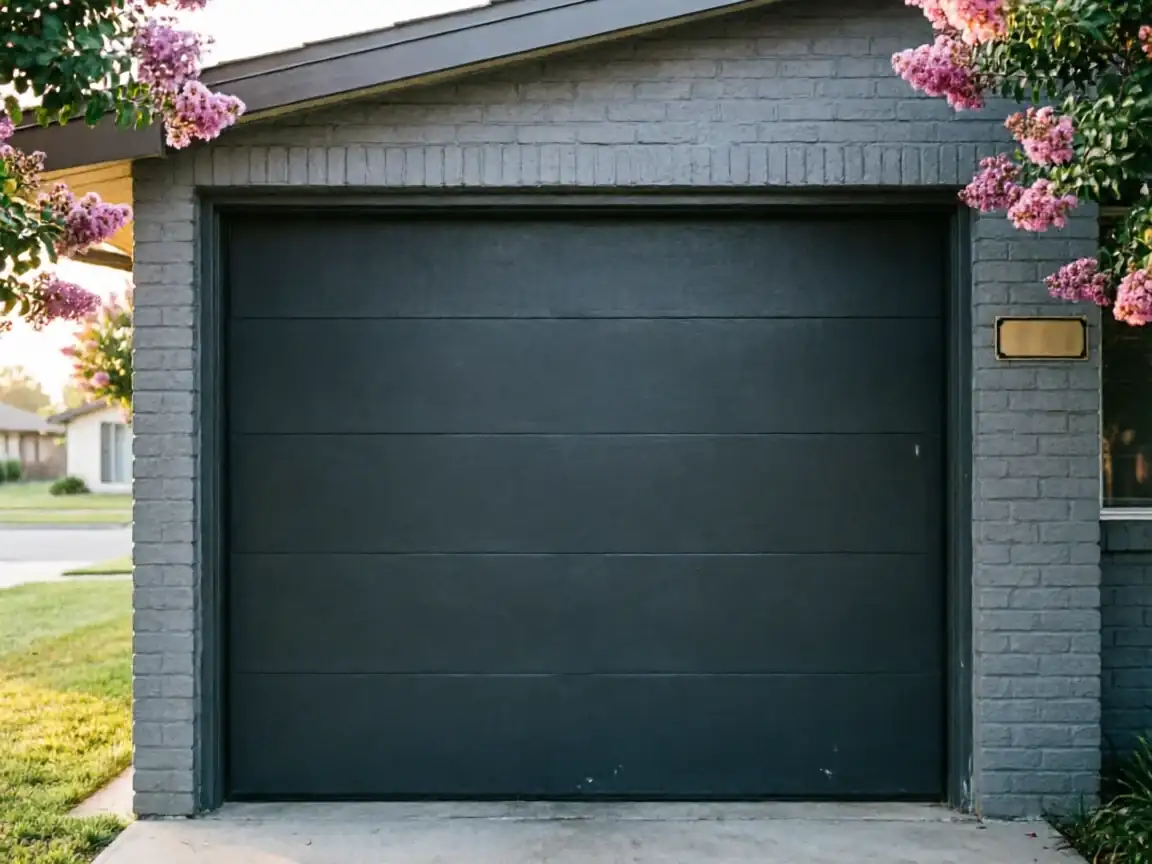
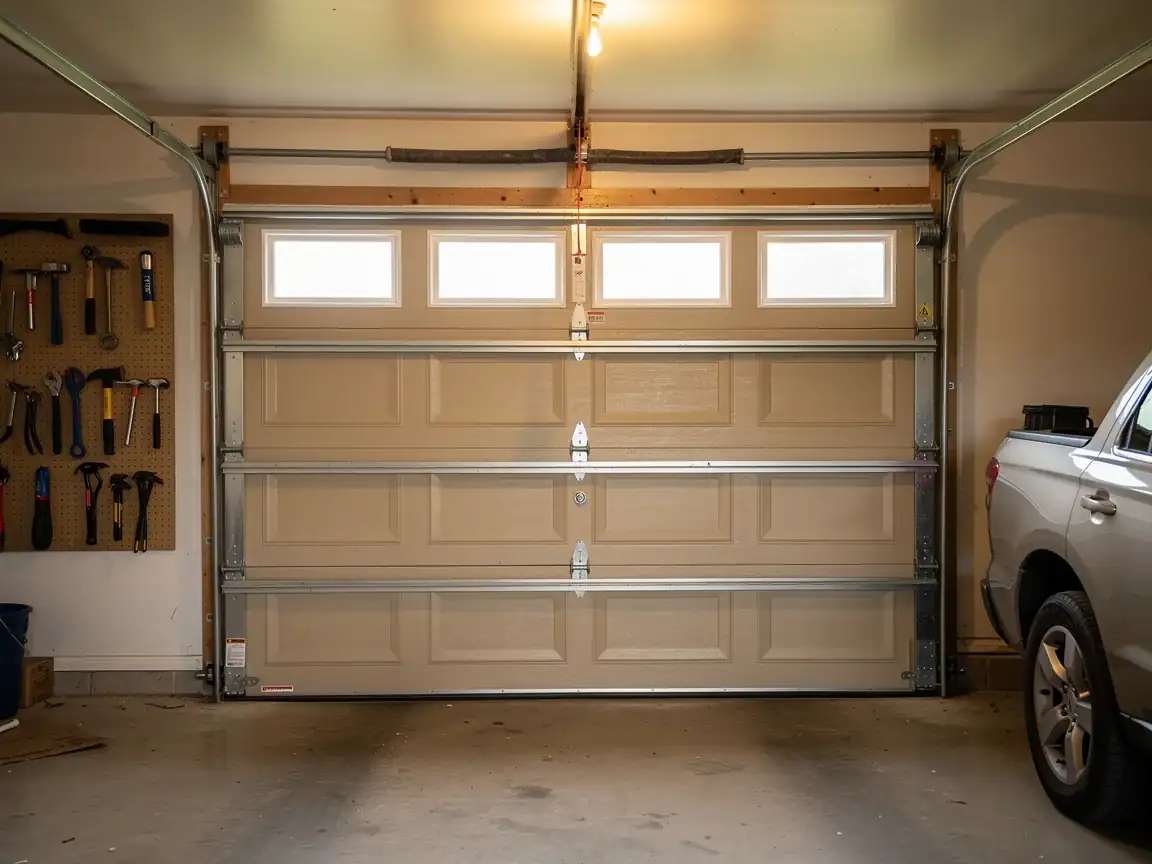
The door looks crooked in the frame, dipping lower on one side than the other, or it slams the last few inches instead of settling. Sometimes you'll see the actual strands of frayed cable sticking out near the bottom bracket before it goes fully. On a newer door like the ones common in Manvel, this usually isn't a rust problem - it's wear on a cable that's been doing its job since the house was built around 2010 and is finally giving out. Either way, stop using the opener once you see the lean. Running a twisted door on the motor is how a cable repair turns into a track and panel repair.