Where This Job Goes Sideways
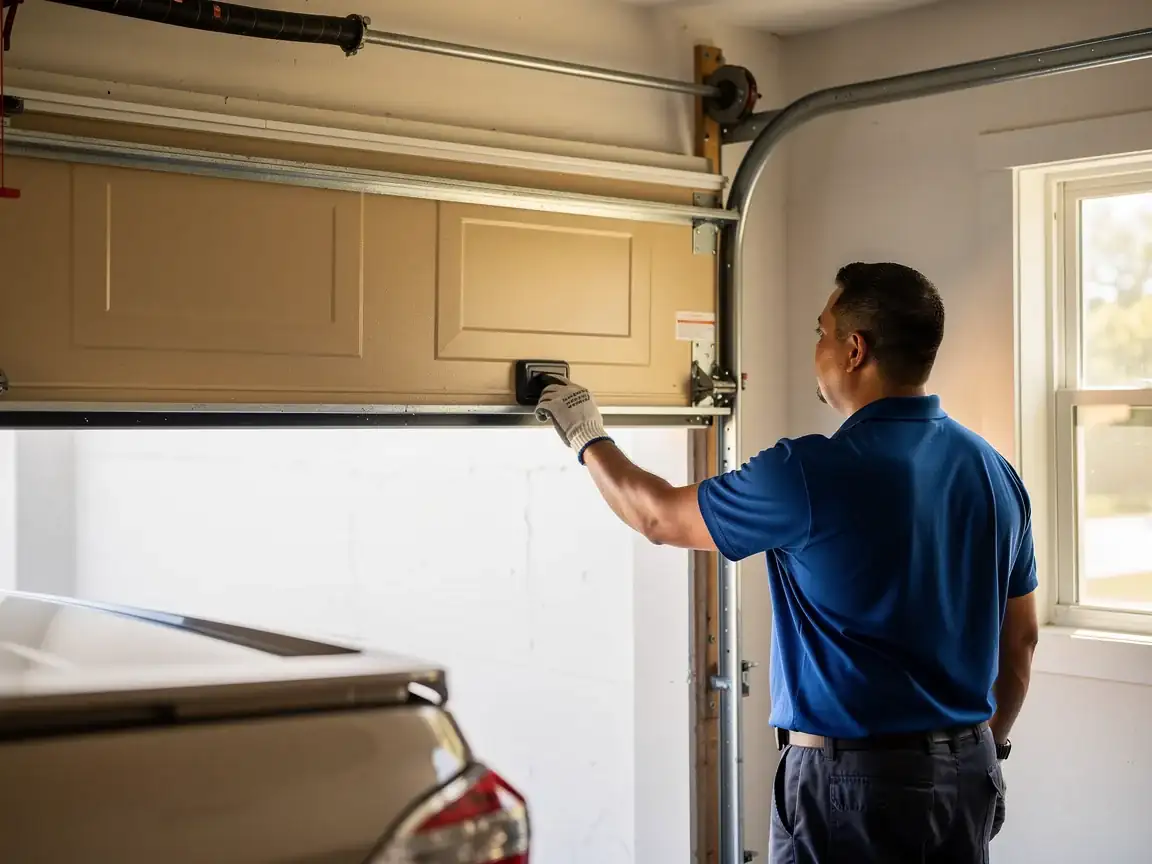
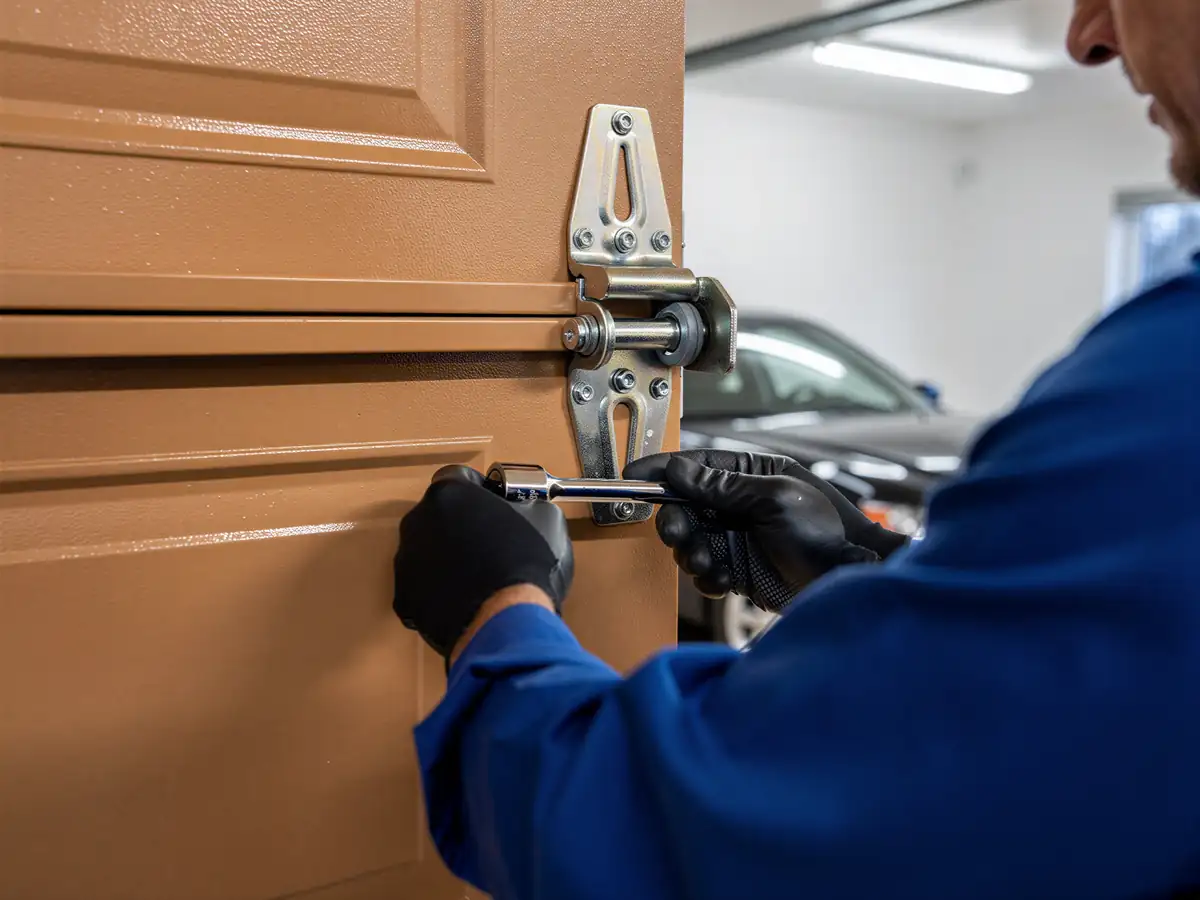
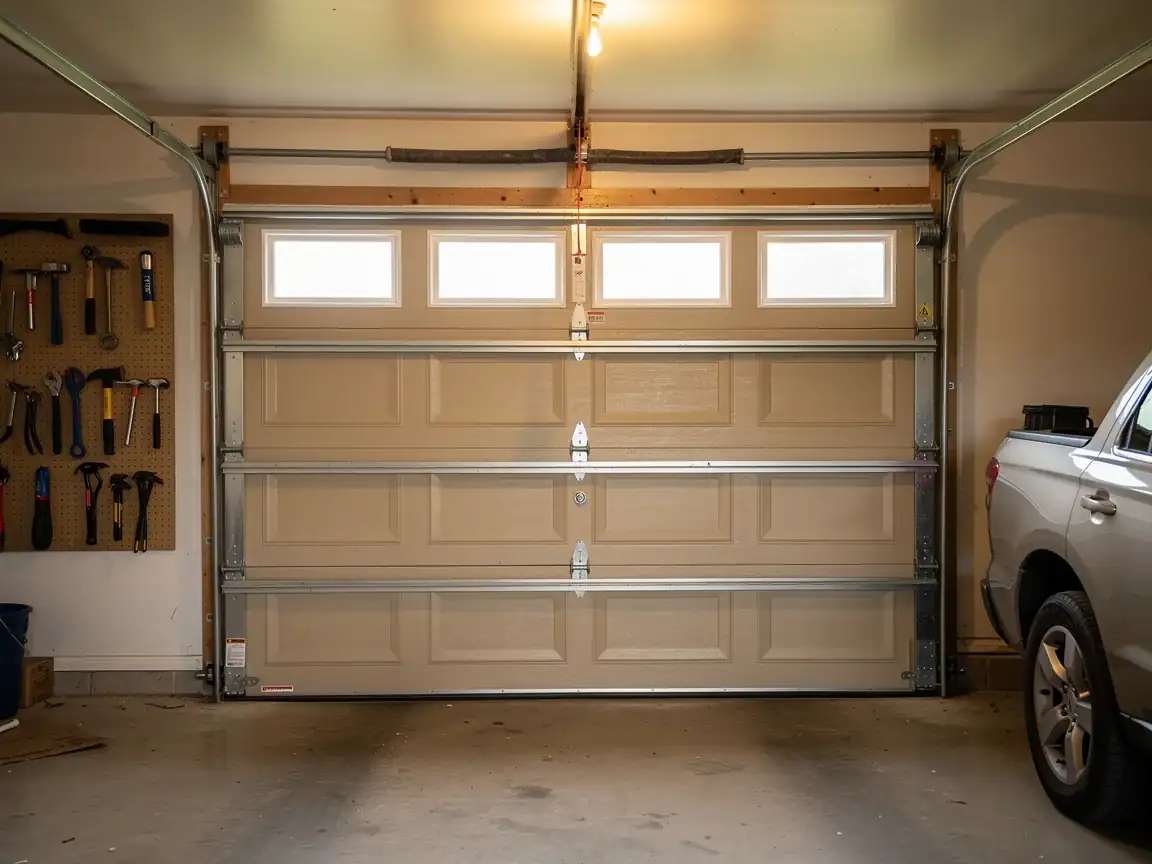
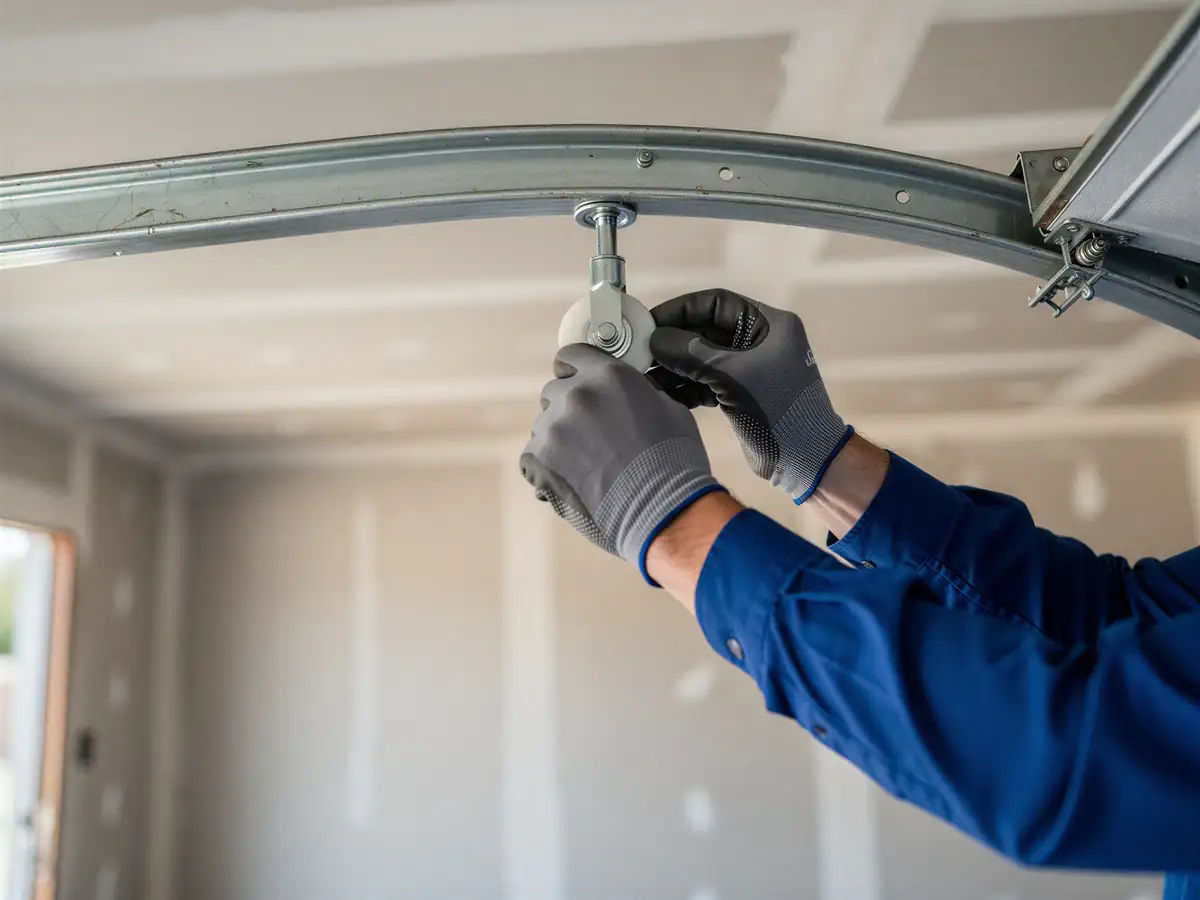
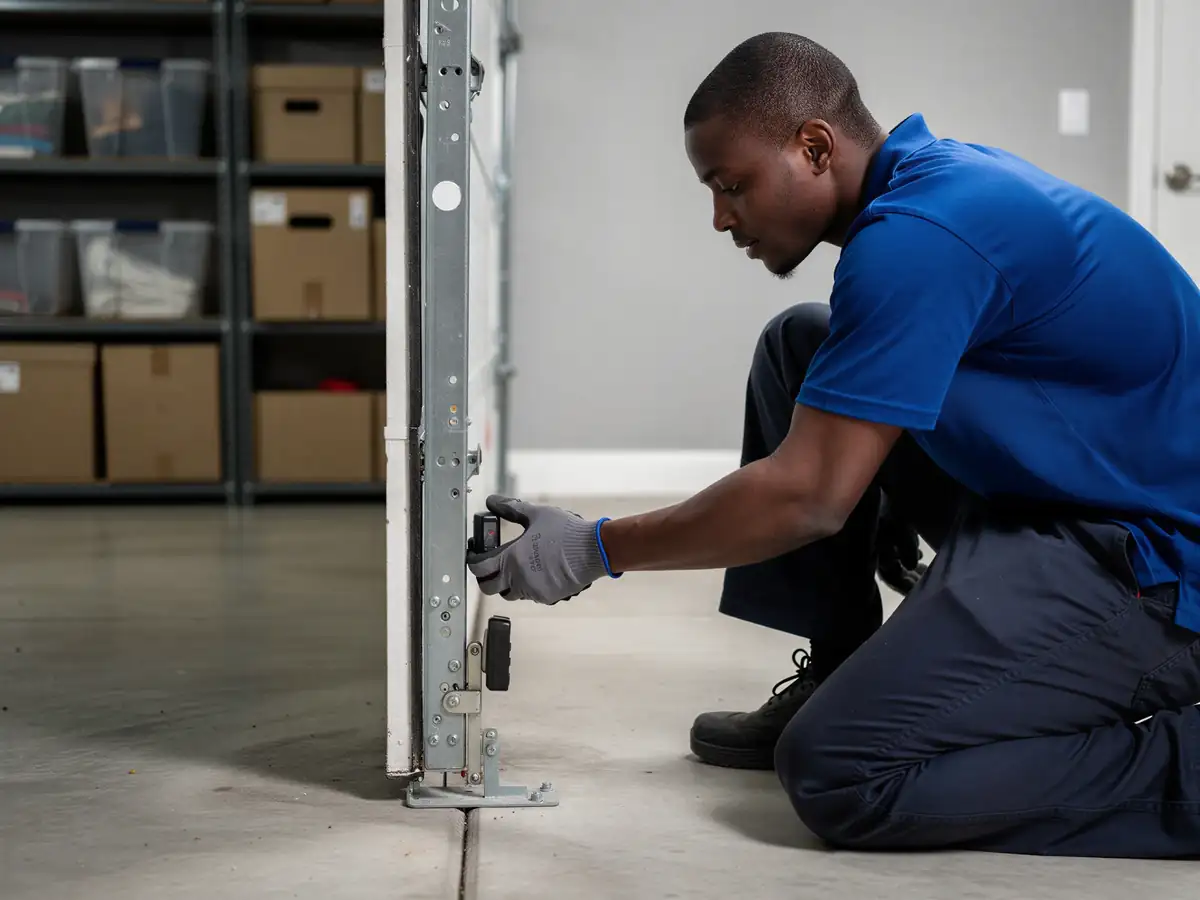
Most surprises on a Manvel install show up at the header, not the door itself. Openings framed in the 2000s and 2010s were built to minimum spec, and stepping up from a single-layer door to a two-inch insulated panel adds enough weight and thickness that the opening can be out of square by a half inch - nobody notices until the new door won't seat against the weatherstrip. The climate here runs mild with the occasional freeze, so we're not fighting the heat-cycling that wrecks seals out west, but the swing between humid Gulf air and a hard freeze a few times a winter still works on weatherstripping and track hardware faster than a dry climate would. The other common snag: track and rollers sized for a lighter builder-grade door flex under a heavier one, and an owner who just replaces the door and reuses the old track ends up back on our schedule within a year for a door that's binding or dropping off its rollers. We check the track and header before we quote the door, not after.
The DIY Question
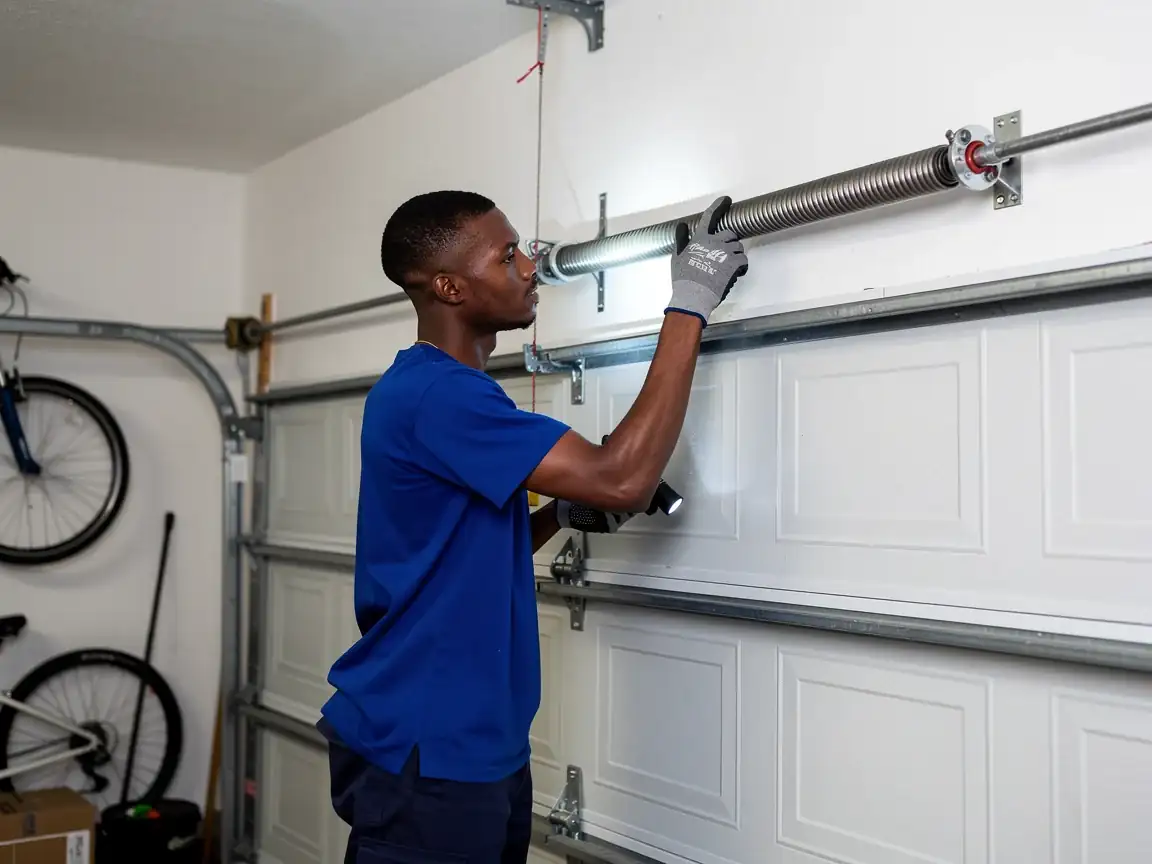
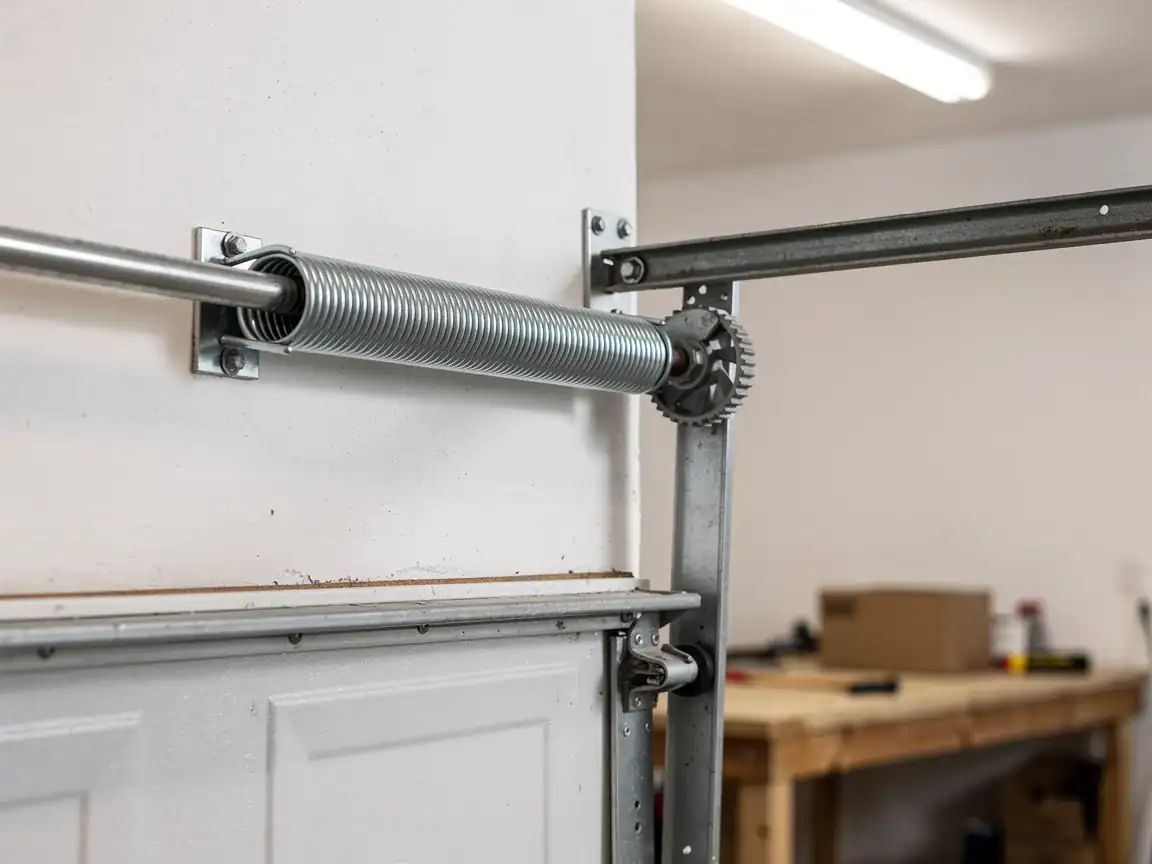
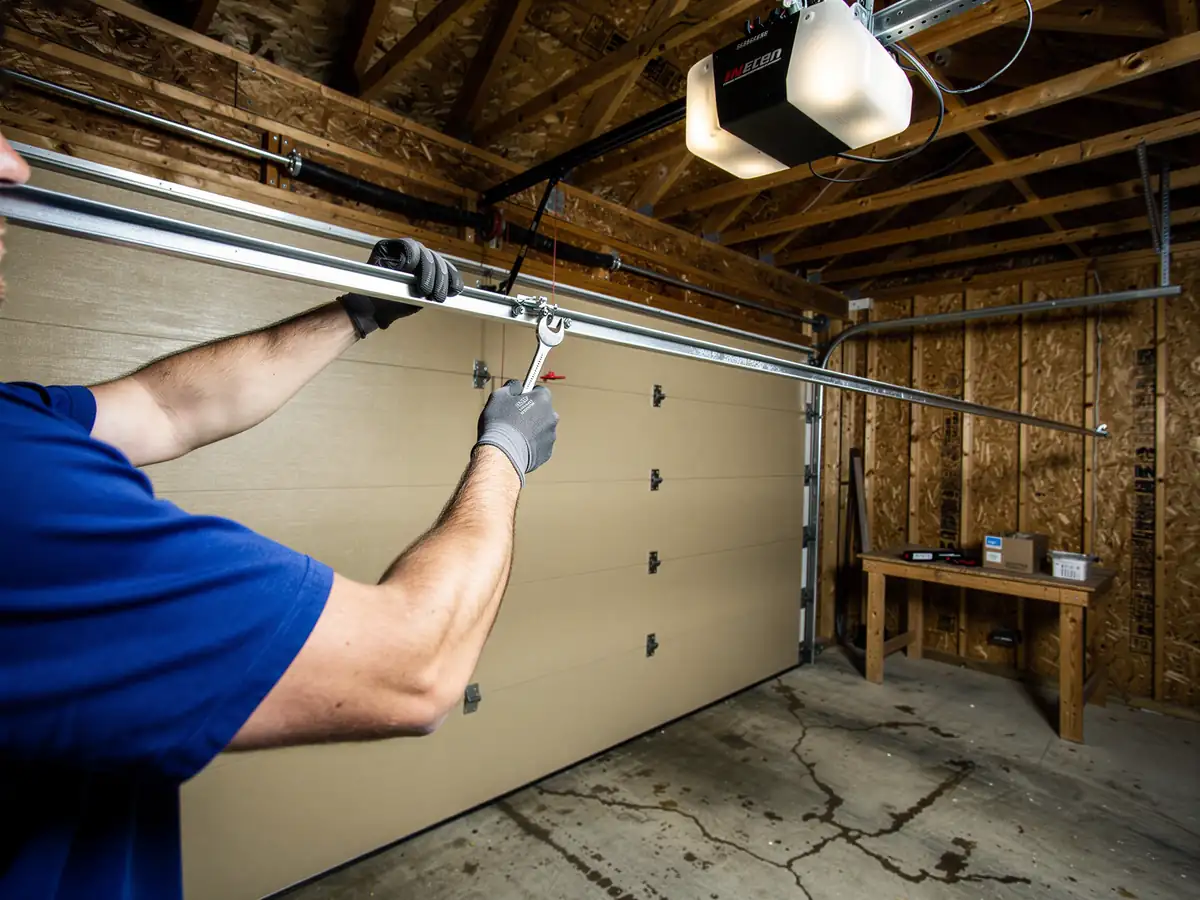
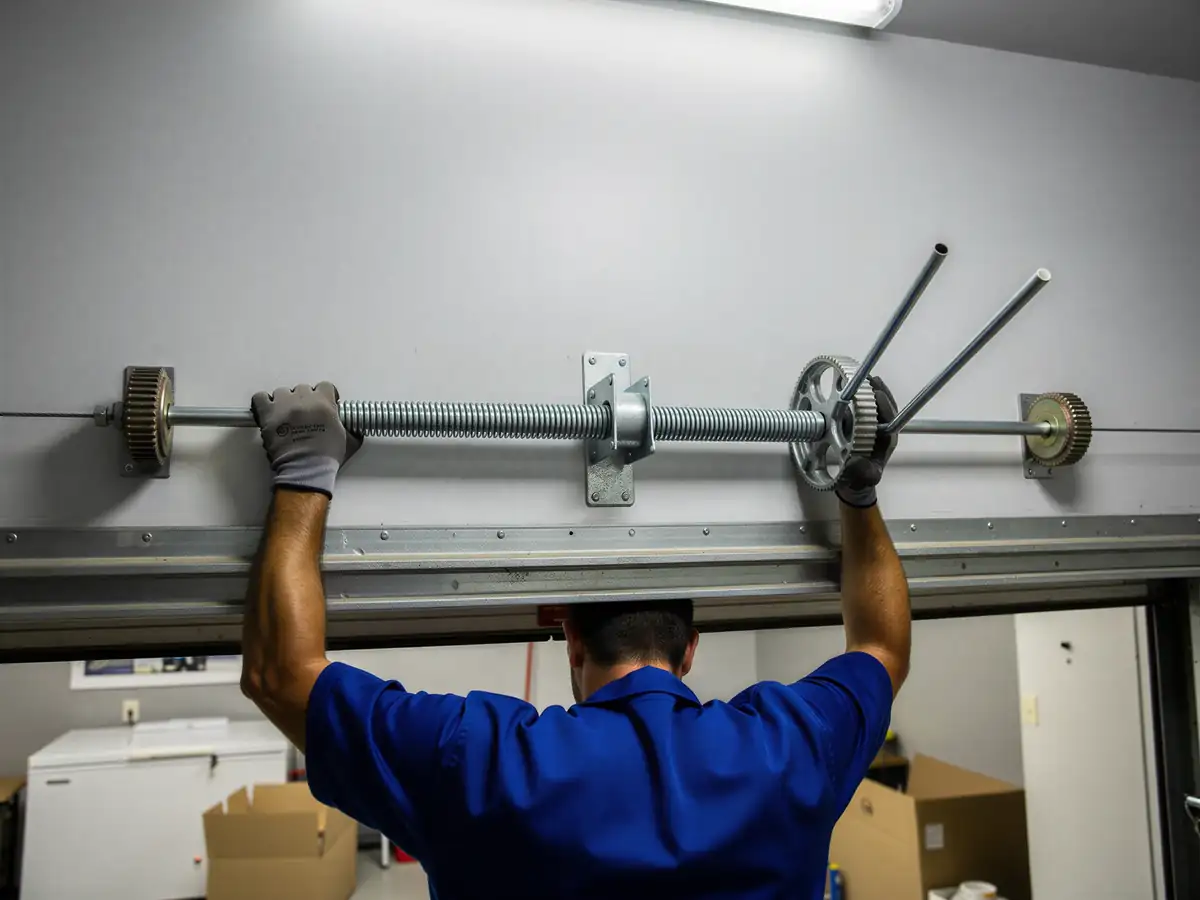
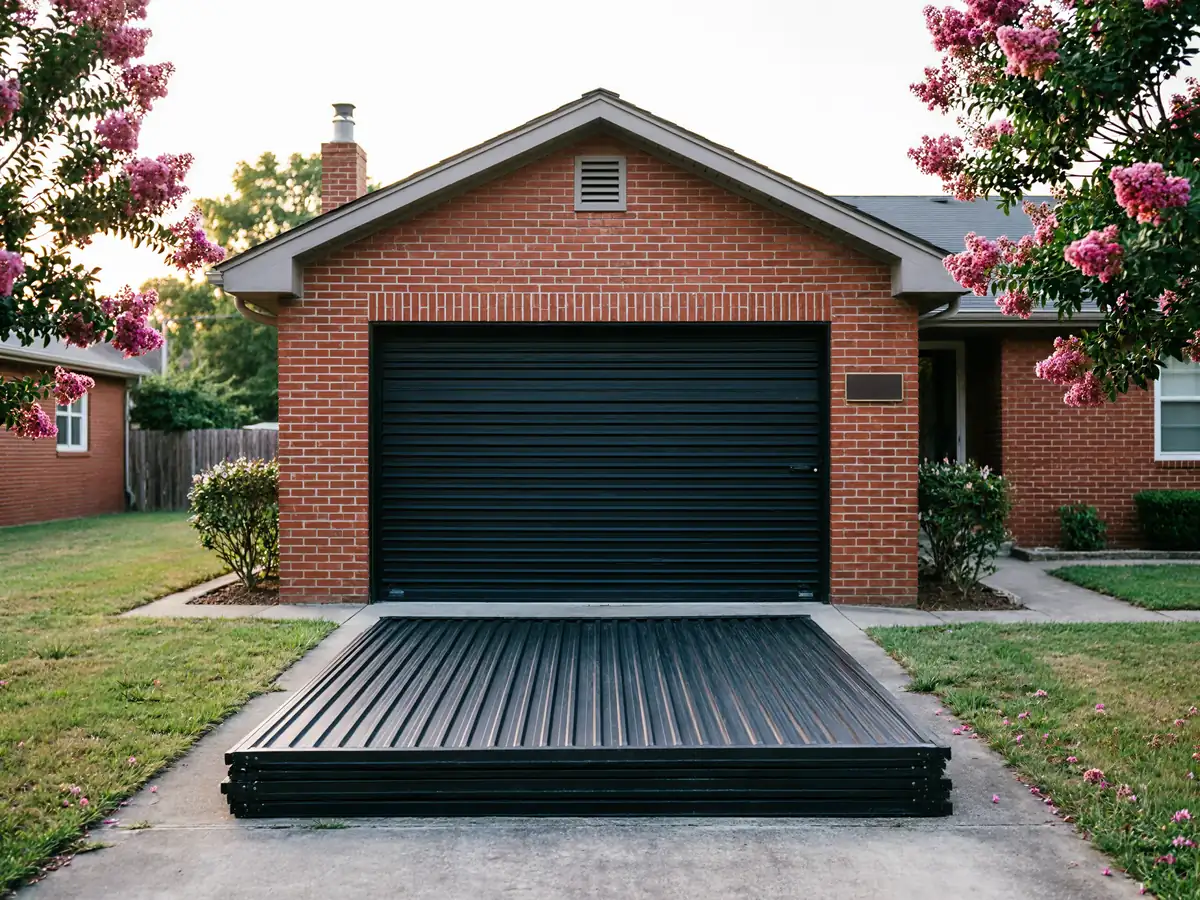
A straight panel swap on an older door, sure, plenty of owners manage that. A full new-door install with heavier insulated panels is a different job - the spring tension needed to balance a two-inch steel door is enough to put someone in the hospital if the winding bar slips, and we don't recommend it as a weekend project regardless of how handy you are. Where we're upfront about our own limits: we travel from Alvin for every Manvel job, so we're not set up for same-day emergency swaps the way a shop with a local yard might be, and custom door sizes or colors can mean a parts lead time of a week or more before we're back on site to hang it. If your door is a standard size and you just need the old springs and opener pulled and a new door hung, that's a straightforward visit. If you're matching a custom width or an unusual trim color, plan the timeline around the order, not the install day.
How It Shows Up
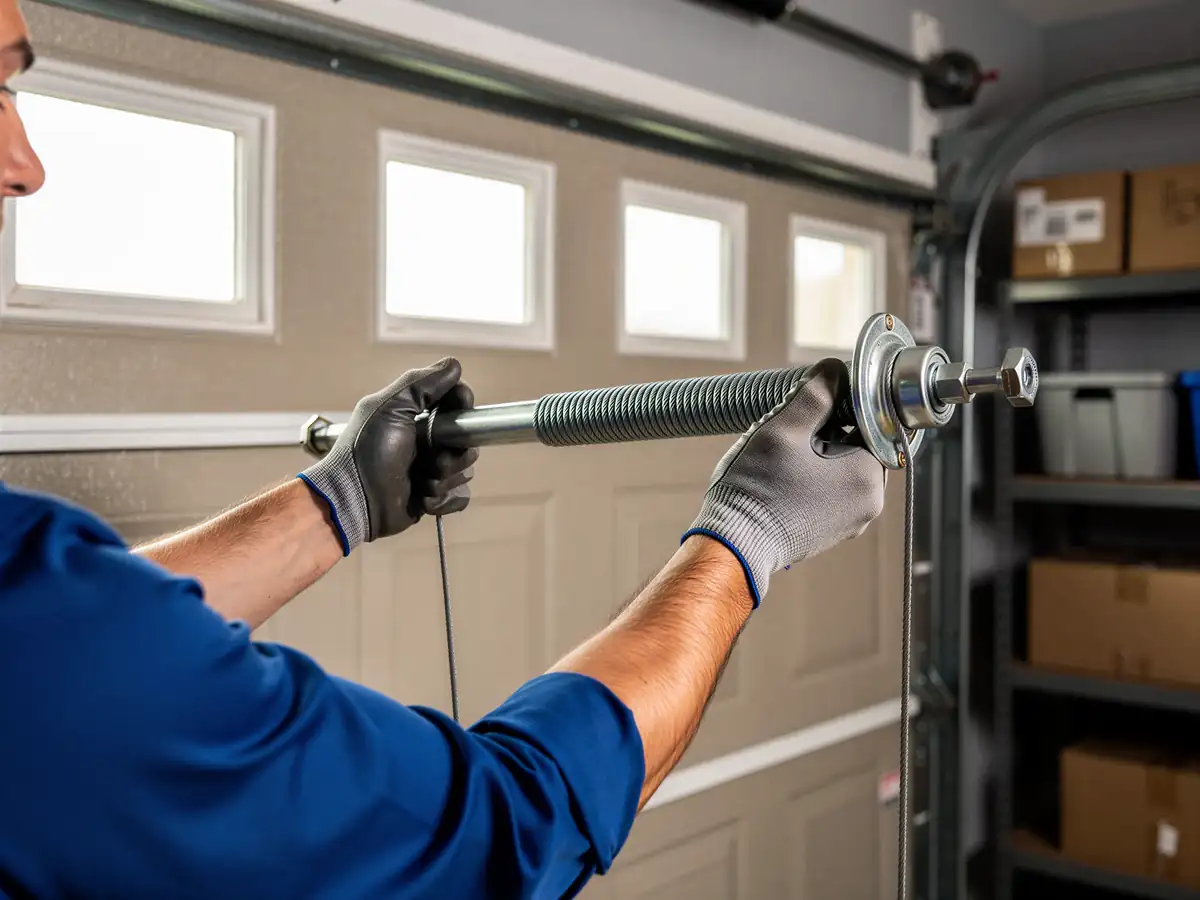
A door that went up around 2010 is now in its mid-teens, and that's about when builder-grade hardware starts showing its age. The symptoms are predictable: a torsion spring that's been through its rated cycle count snaps without much warning, usually on a cold morning after the one hard freeze of the season tightens everything up. An opener logic board from that era starts throwing intermittent faults - the door reverses for no visible reason, or the remote works from the driveway but not from the street. Rollers that were plastic from the factory start cracking and the door gets loud going up, not because anything's broken yet but because the parts are wearing out together. None of this means panic - a door that's fifteen years old and starting to show these signs is a candidate for a full new install rather than a parts chase, since by the time the opener, springs, and rollers are all due, you're close to the cost of doing the whole door at once anyway.