Where This Job Goes Sideways
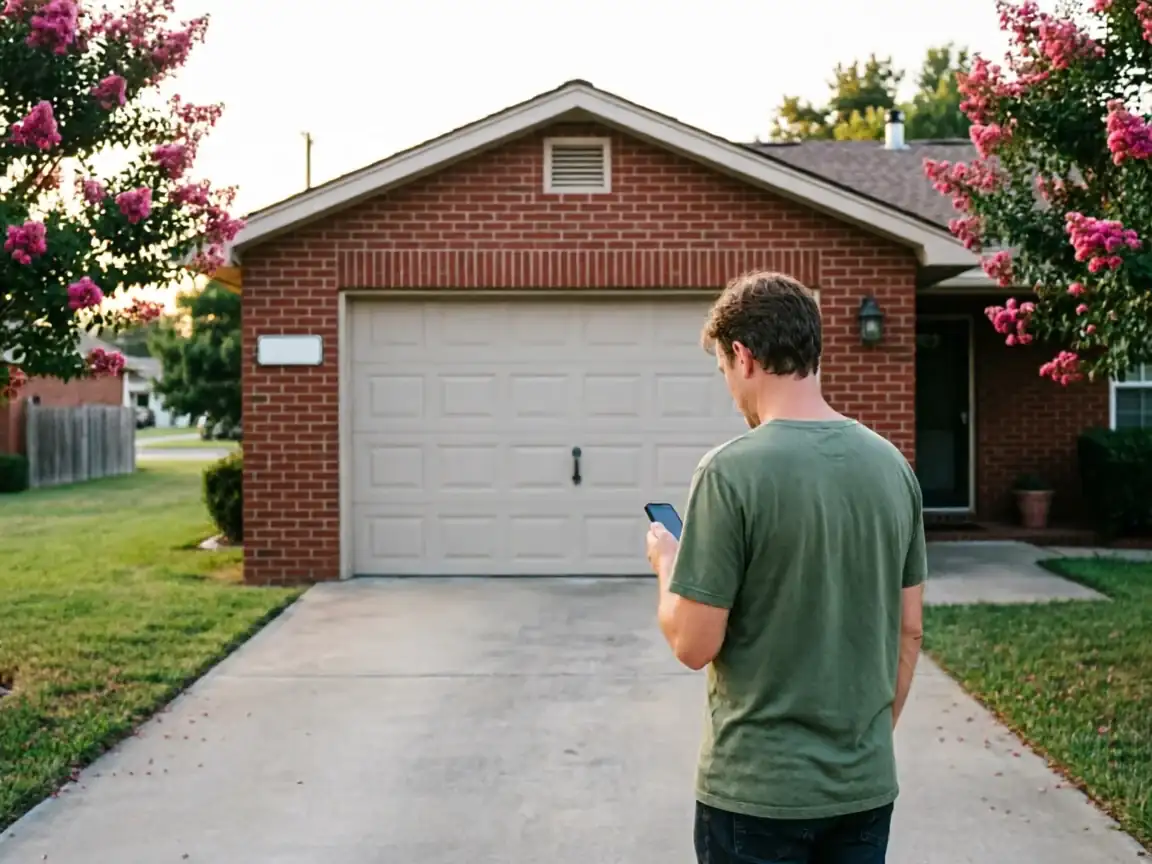
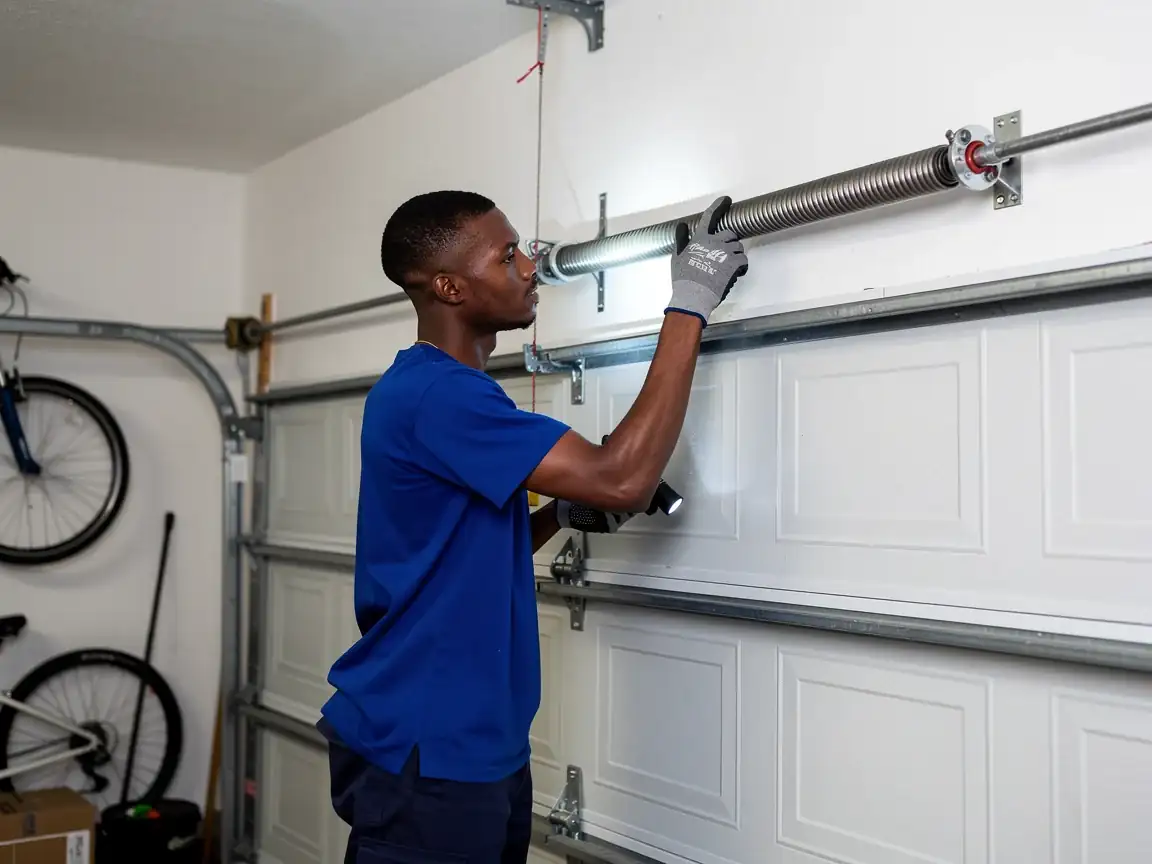
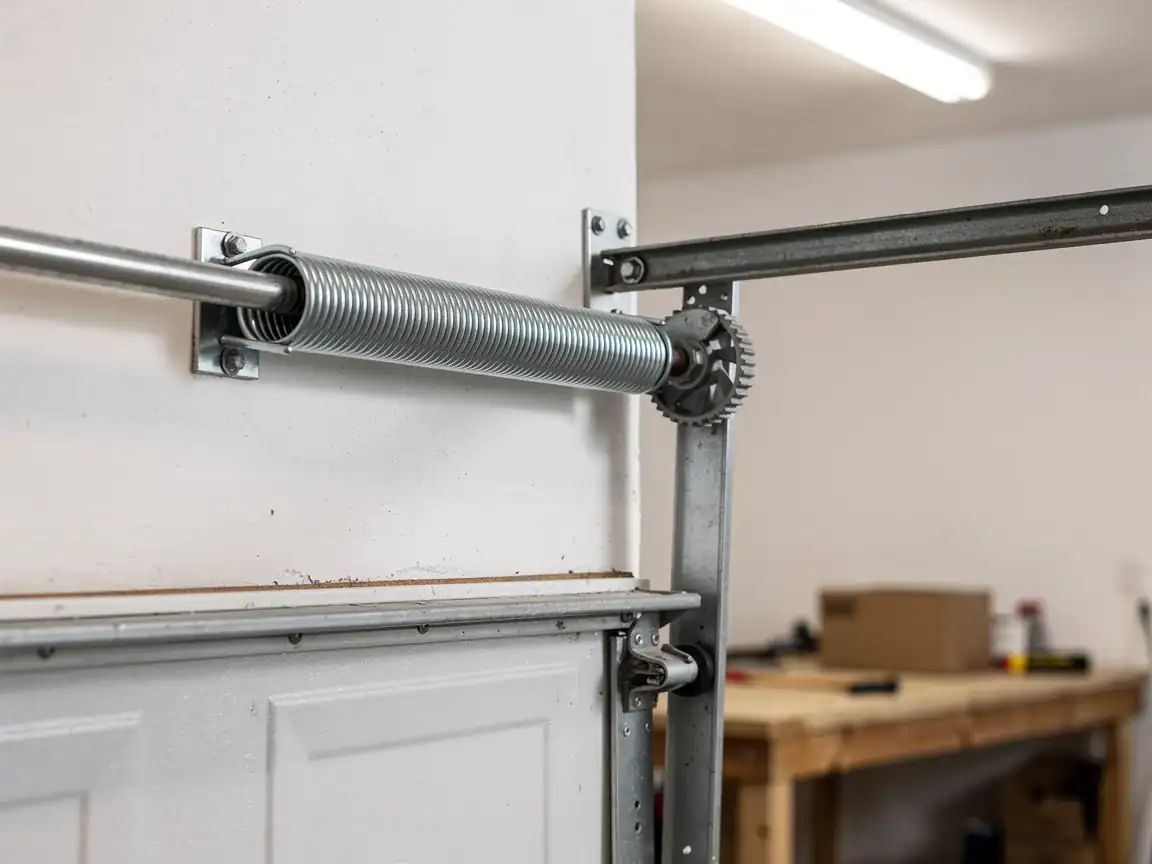
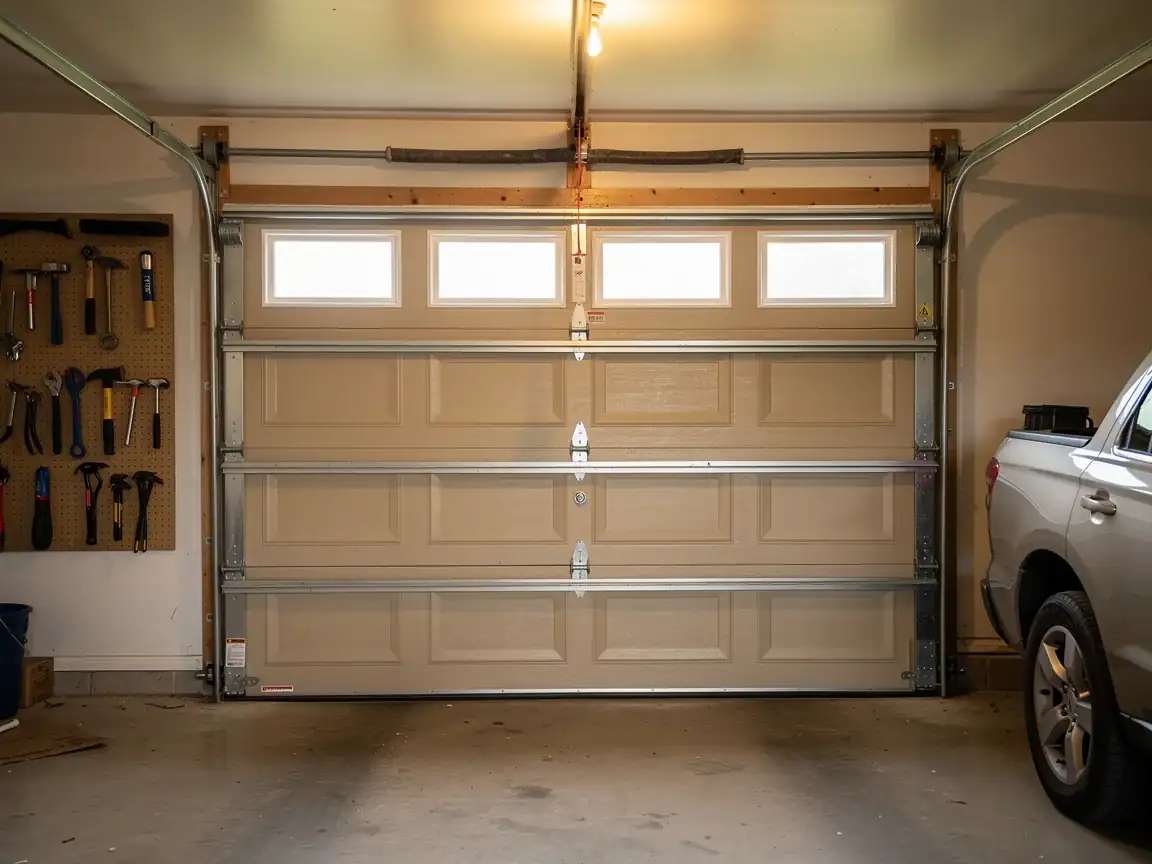
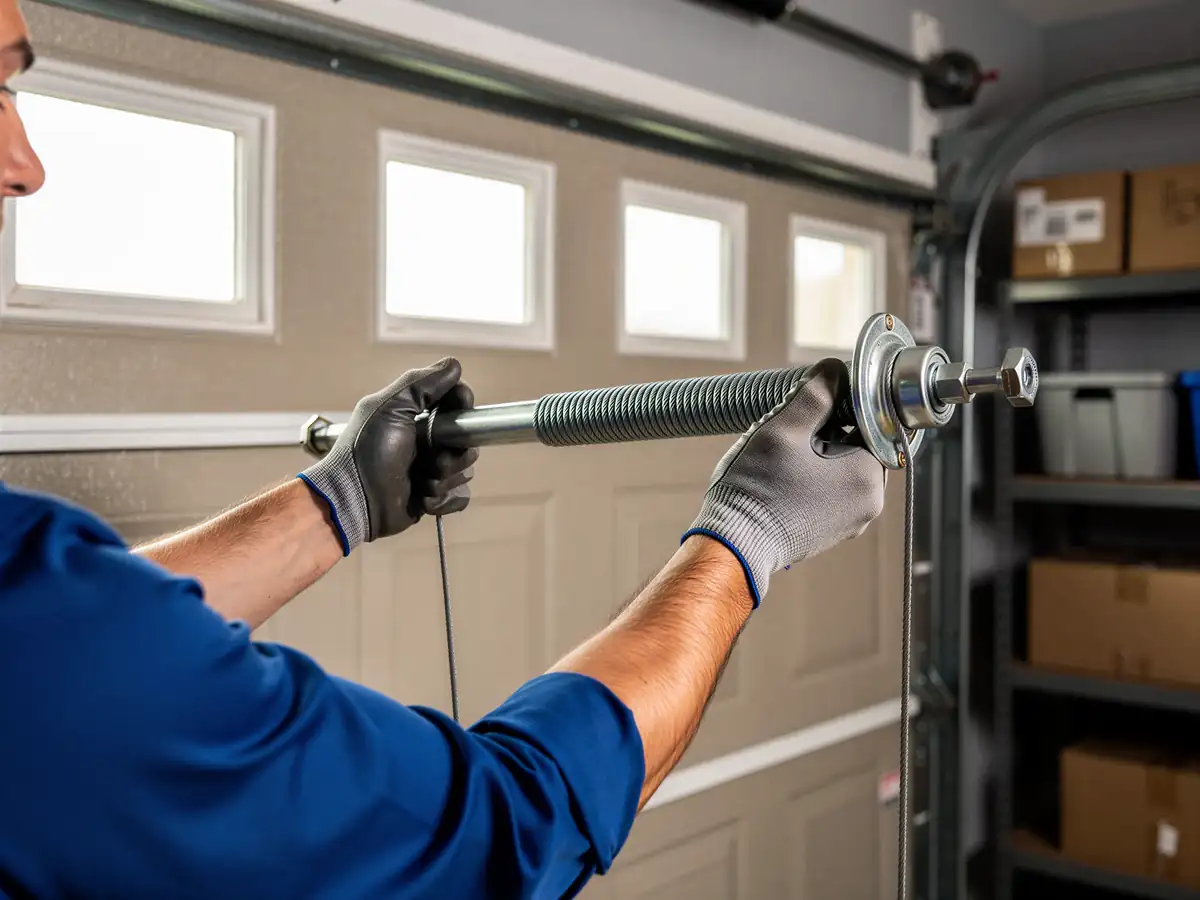
Houses in Manvel went up mostly after 2010, which means torsion spring systems with factory-matched cable drums and openers rated for those springs - not the older extension-spring setups you'd find on a house from the 1970s or 80s. That's good news for parts availability, but it creates its own failure point: homeowners or handymen swapping in a spring sized for a different door weight, because the original part number isn't on a shelf at the big box store. We see this on newer builds more than people expect. A mismatched spring under-tensions or over-tensions the door, which wears the opener's gears faster and can snap a cable under load. The climate here is mild with occasional freeze, and that cold snap is usually what finds the weak spring first - the metal contracts, tension shifts slightly, and a spring that was already borderline lets go. It's not a weather event, just the thing that tips a marginal part.
The DIY Question
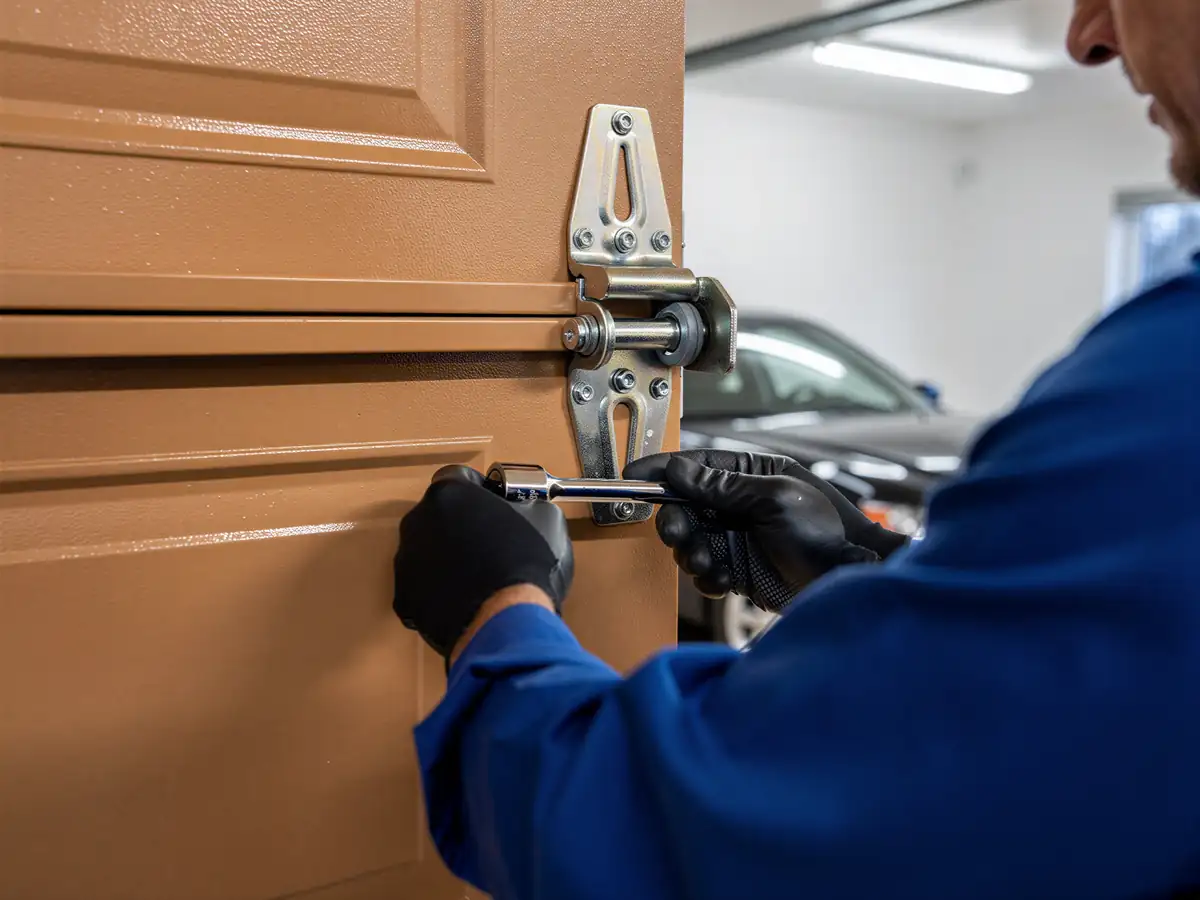
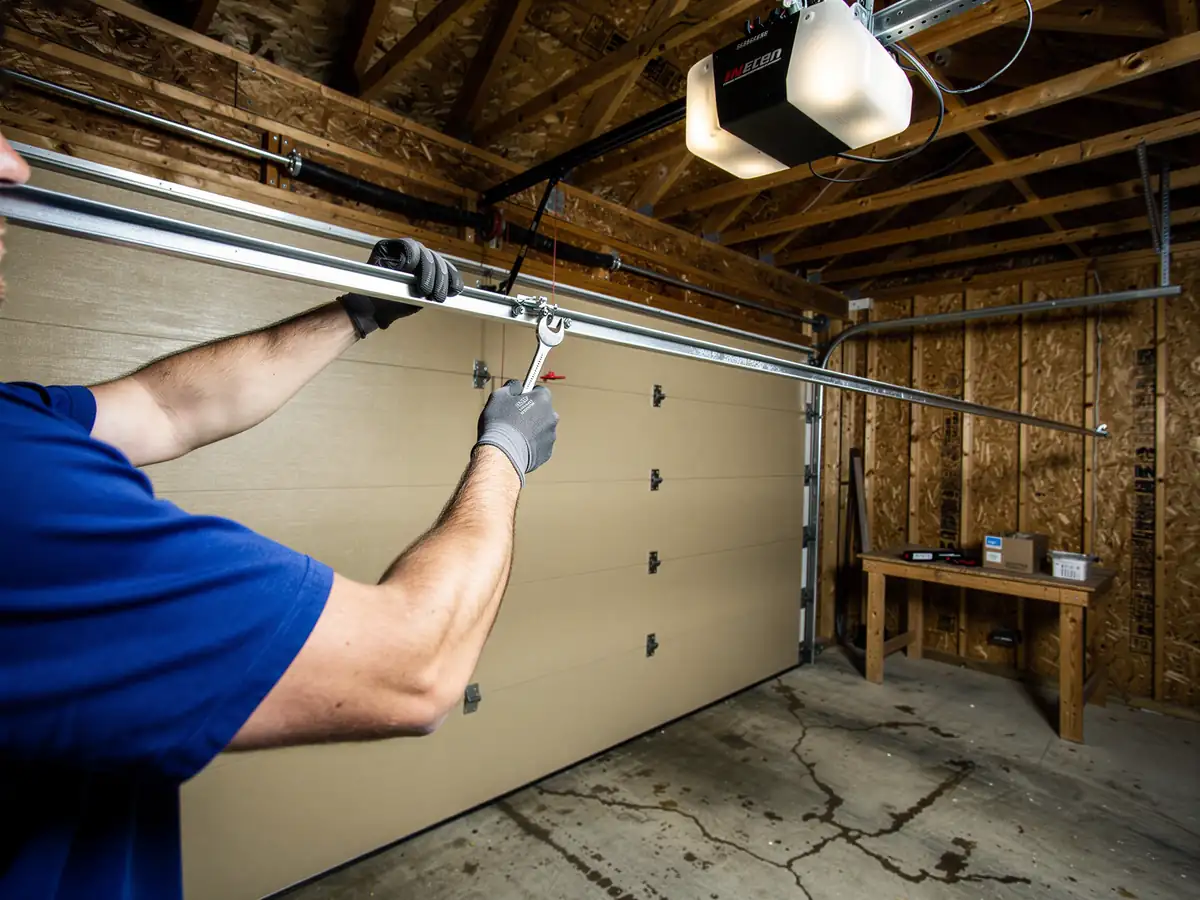
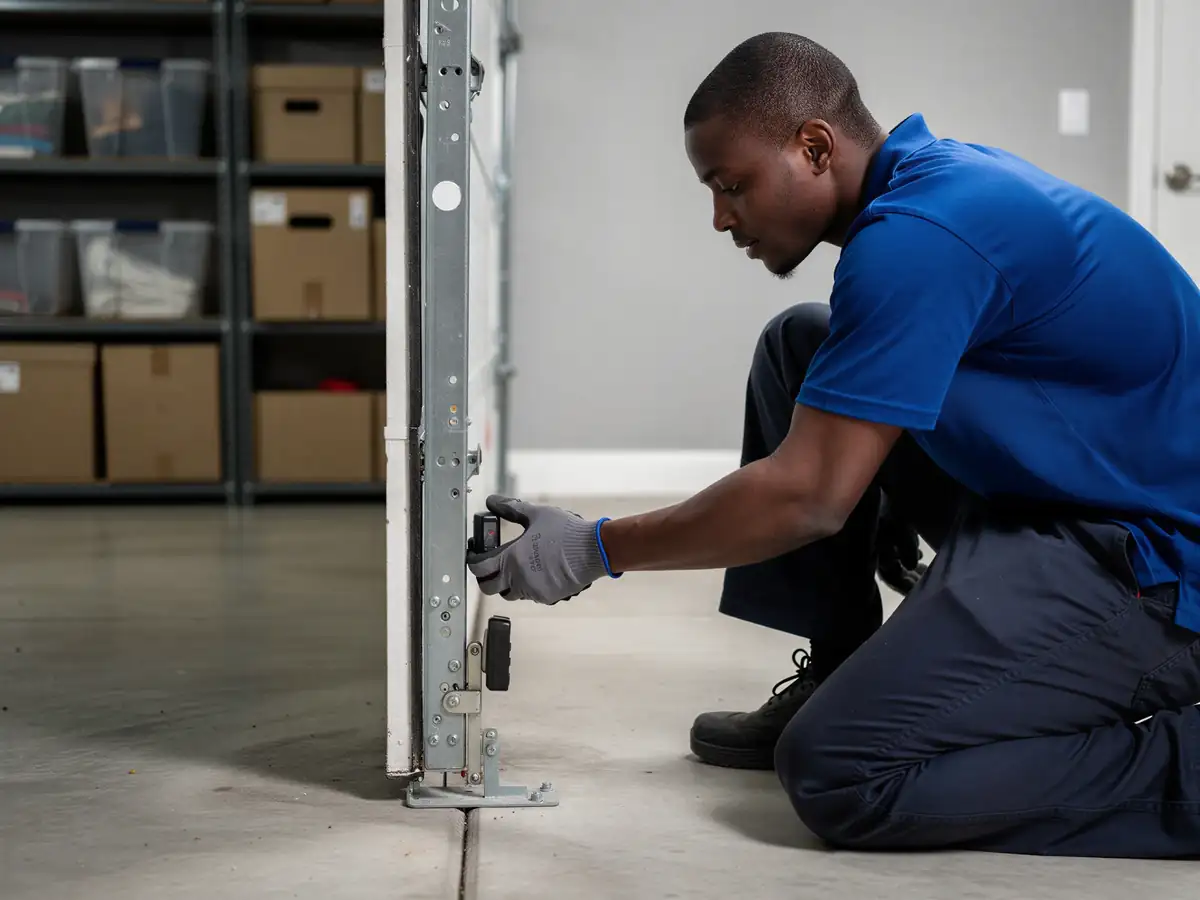
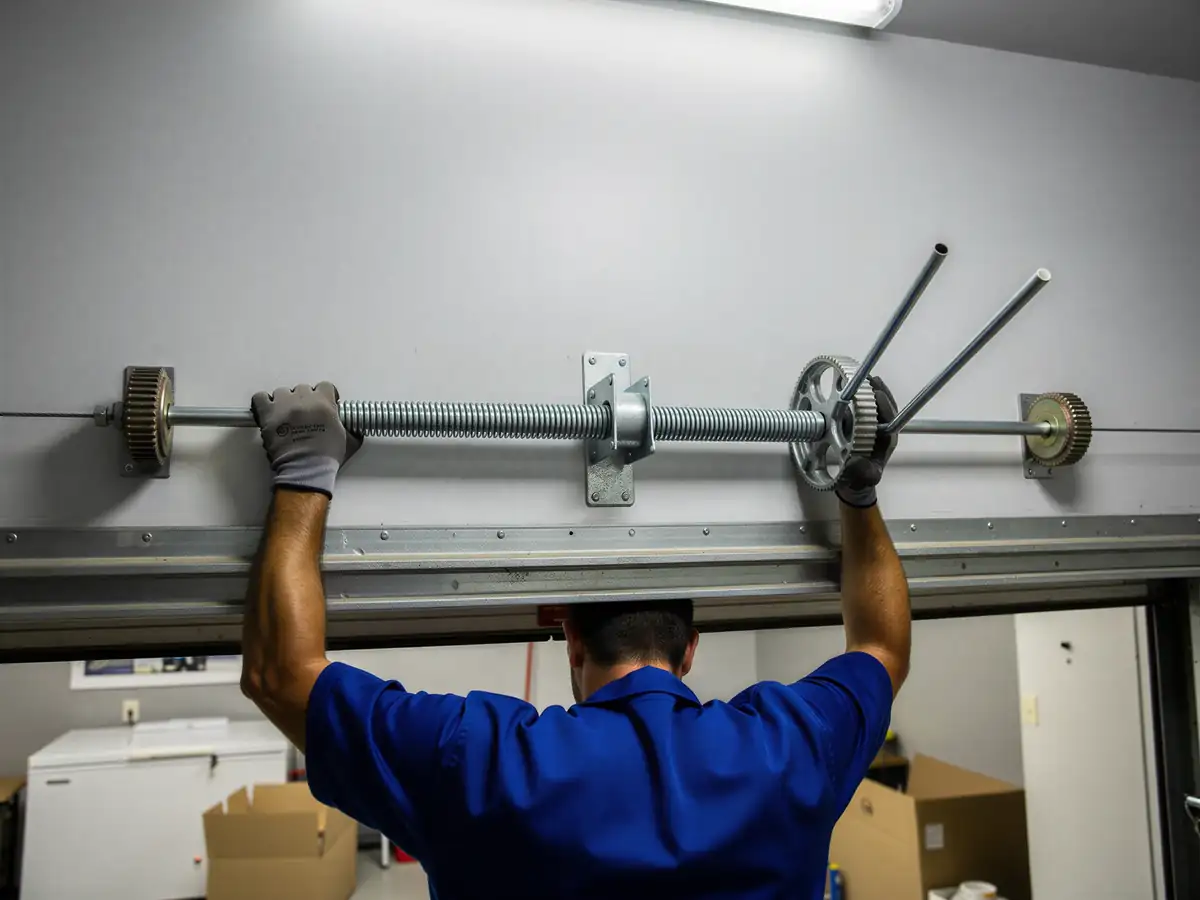
Torsion springs store enough force to break fingers or worse, and that doesn't change based on how new the door is. If your door won't open, or opens a few inches and stops, the spring is under full tension even when the door looks still - that's the dangerous part, not the swinging. On a 2010-and-newer build like most houses in Manvel, the spring size and drum setup are usually standard parts, which means a repair is usually fast once someone with the right bars and clamps is on site. That's not a reason to do it yourself; it's a reason to call someone who does this daily. What you can safely check first: whether the opener light blinks in a pattern (most modern openers code their error), and whether the cables look slack or frayed. Don't disconnect the opener and try to lift the door by hand to test the spring - that's exactly the motion that catches people.
How It Shows Up
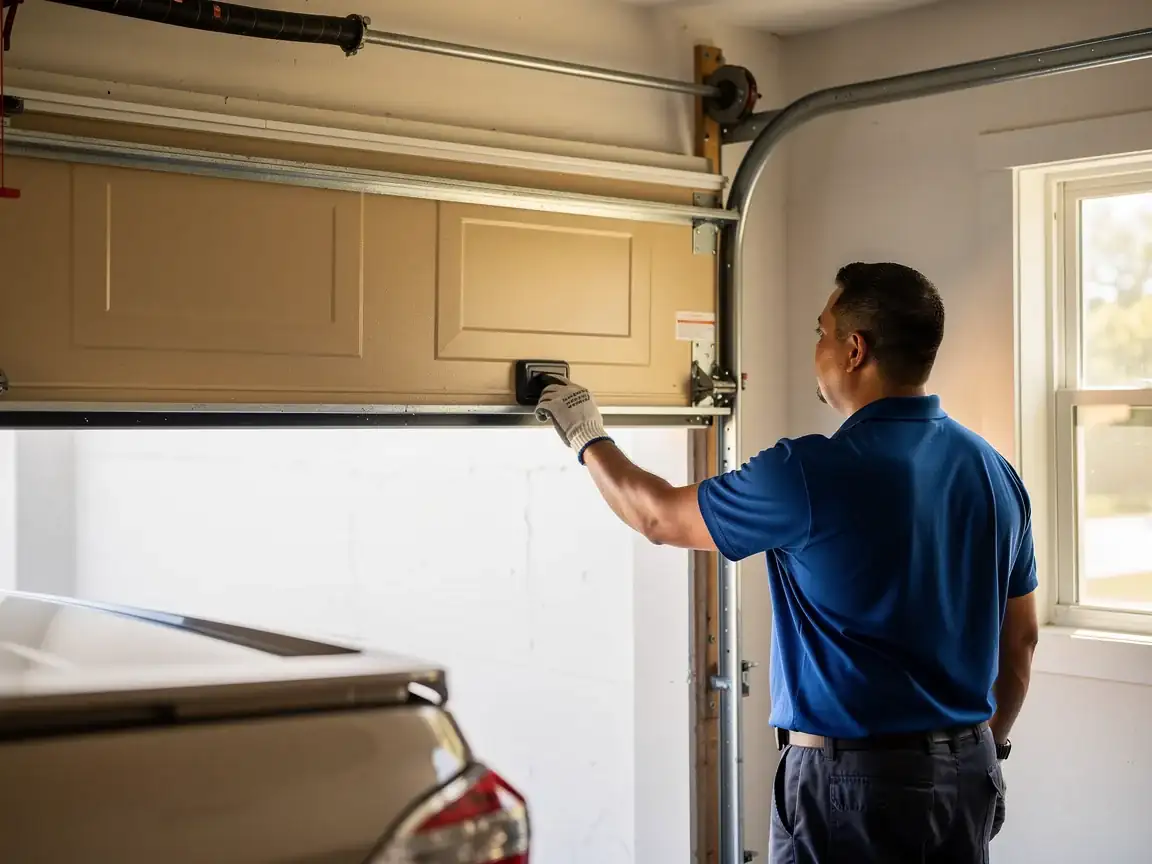
The most common sign is the door moving a few inches then stalling, with the opener motor working harder than it should - you'll hear it strain. On newer double doors, a single broken torsion spring often still lets the opener force the door up on its own power, which feels like it's working until the gears start grinding or the opener trips a breaker. Some owners notice the door looks slightly crooked when it's halfway open, one side higher than the other - that's one spring gone while its pair is still holding tension unevenly. A loud bang from the garage, usually when no one's home, is almost always the spring itself failing, not a break-in. None of this is specific to Manvel's age of housing exactly, but because most doors here are inside the 2010-plus window, the springs are younger on average and more likely to fail from a defect or a mismatched part than from decades of plain fatigue.