Where This Job Goes Sideways
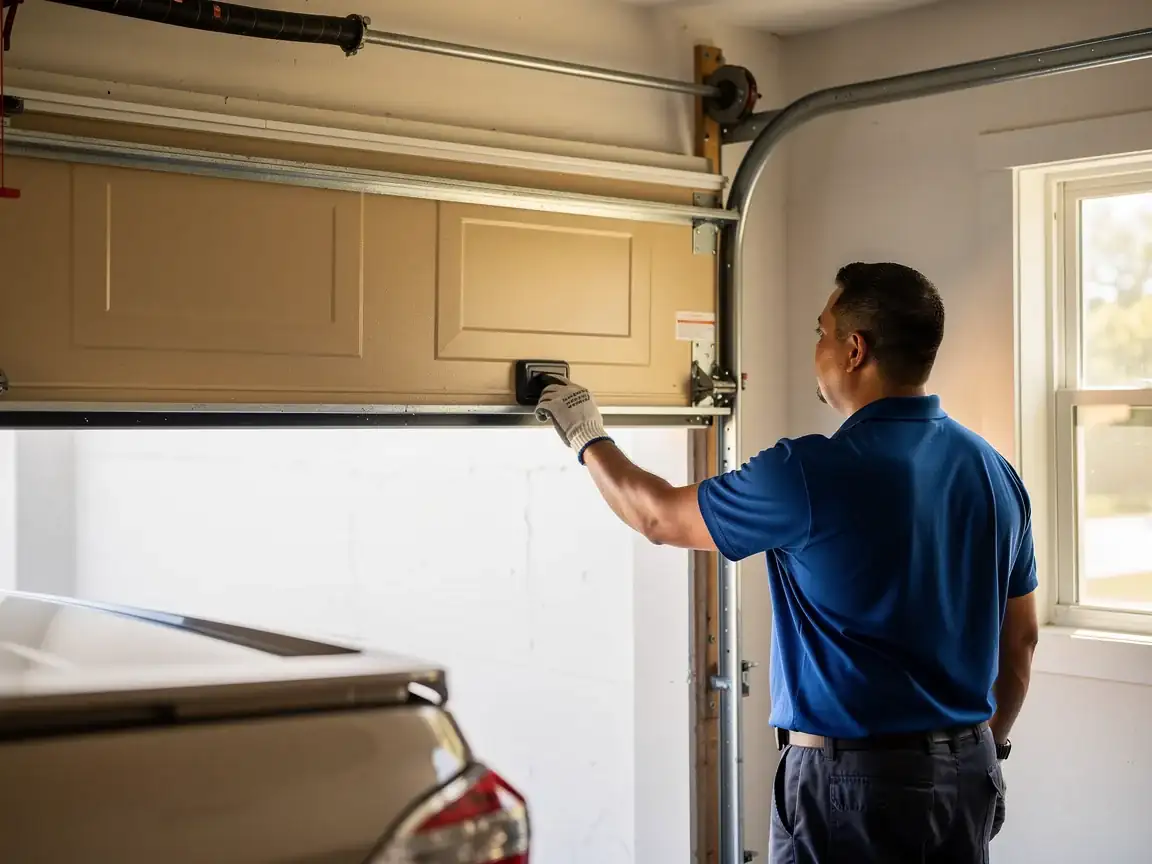
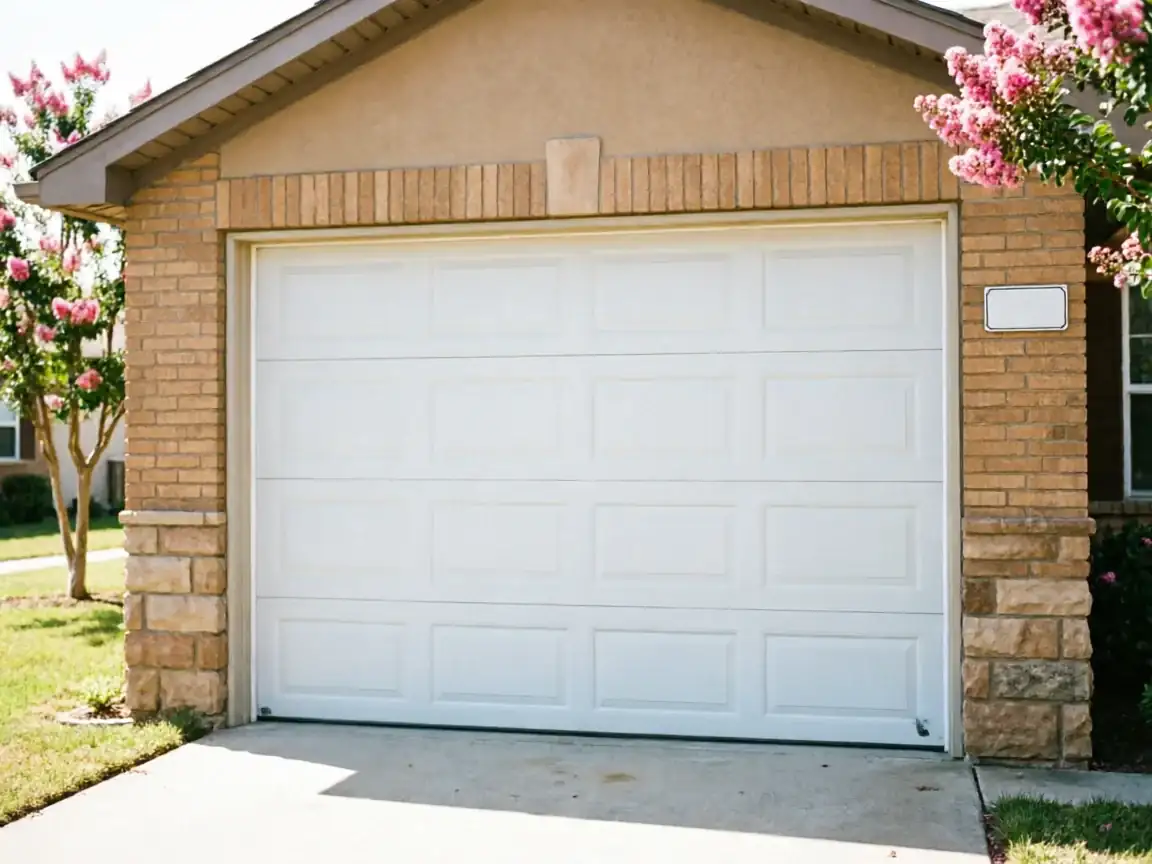
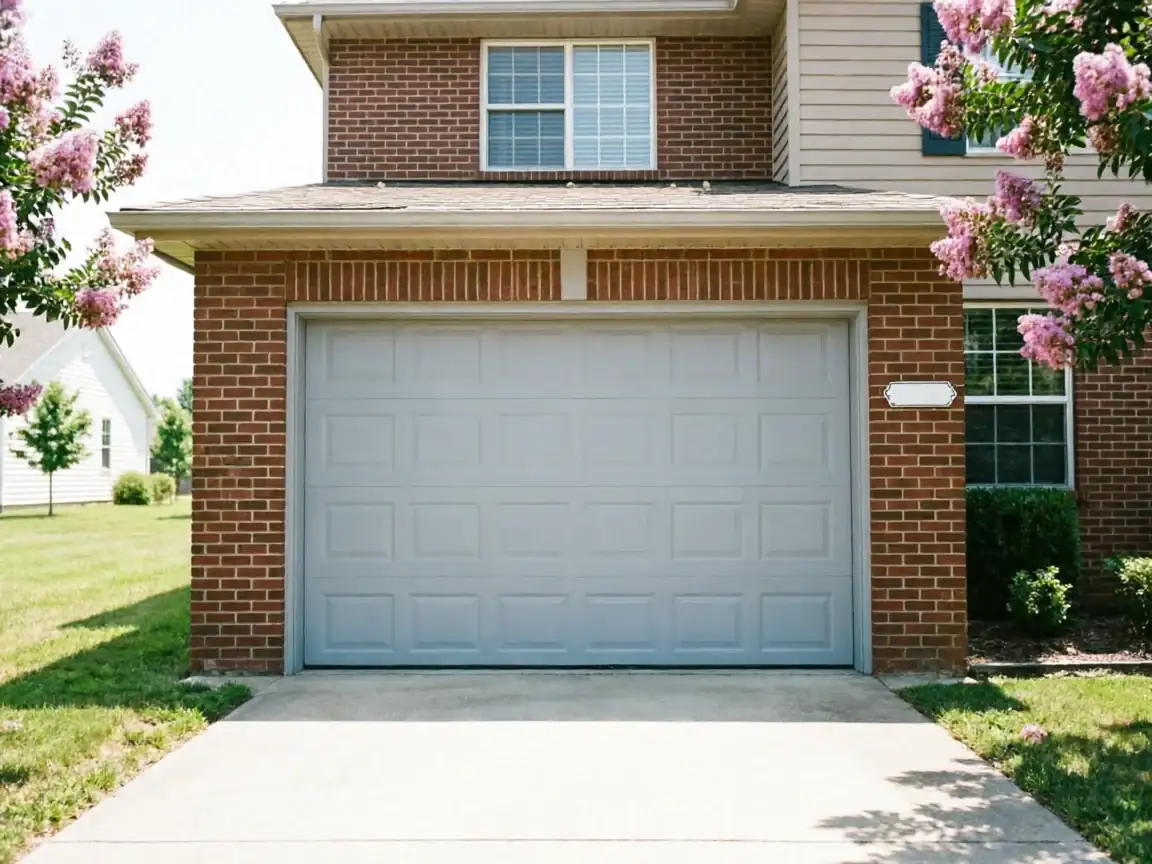
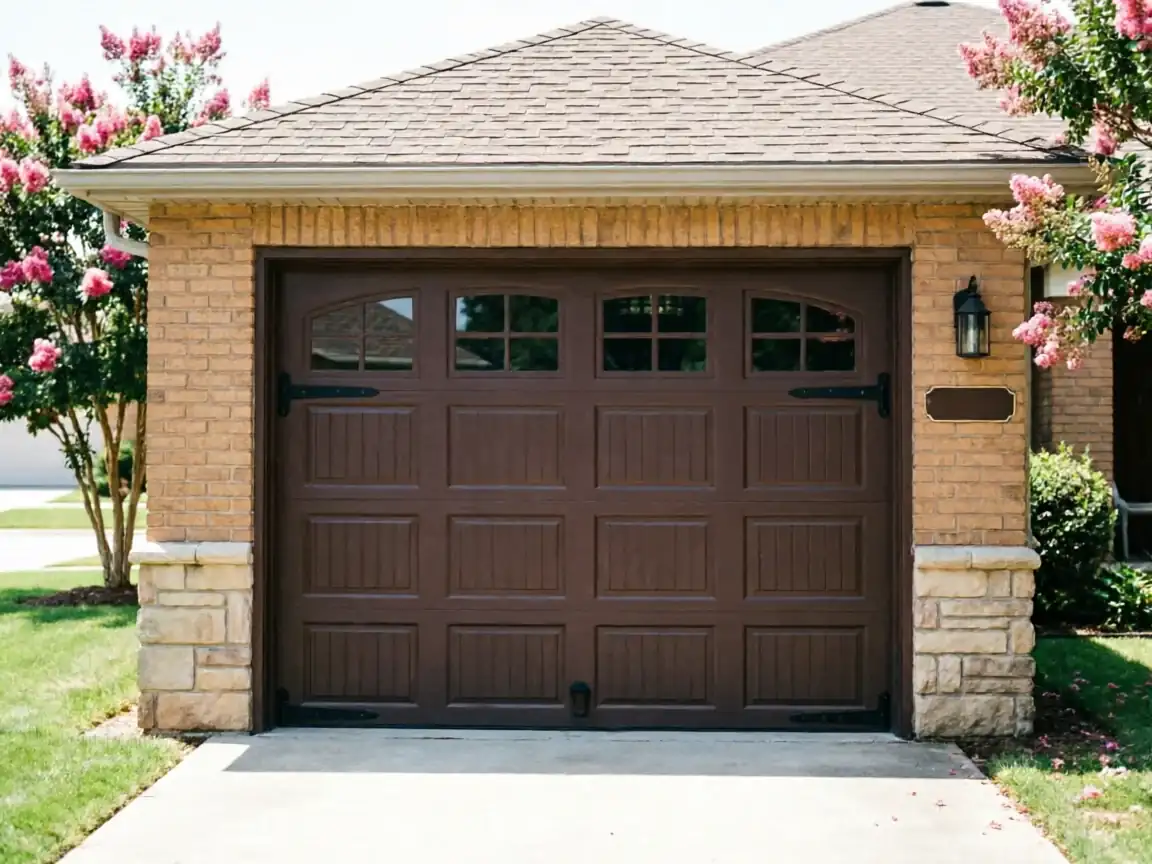
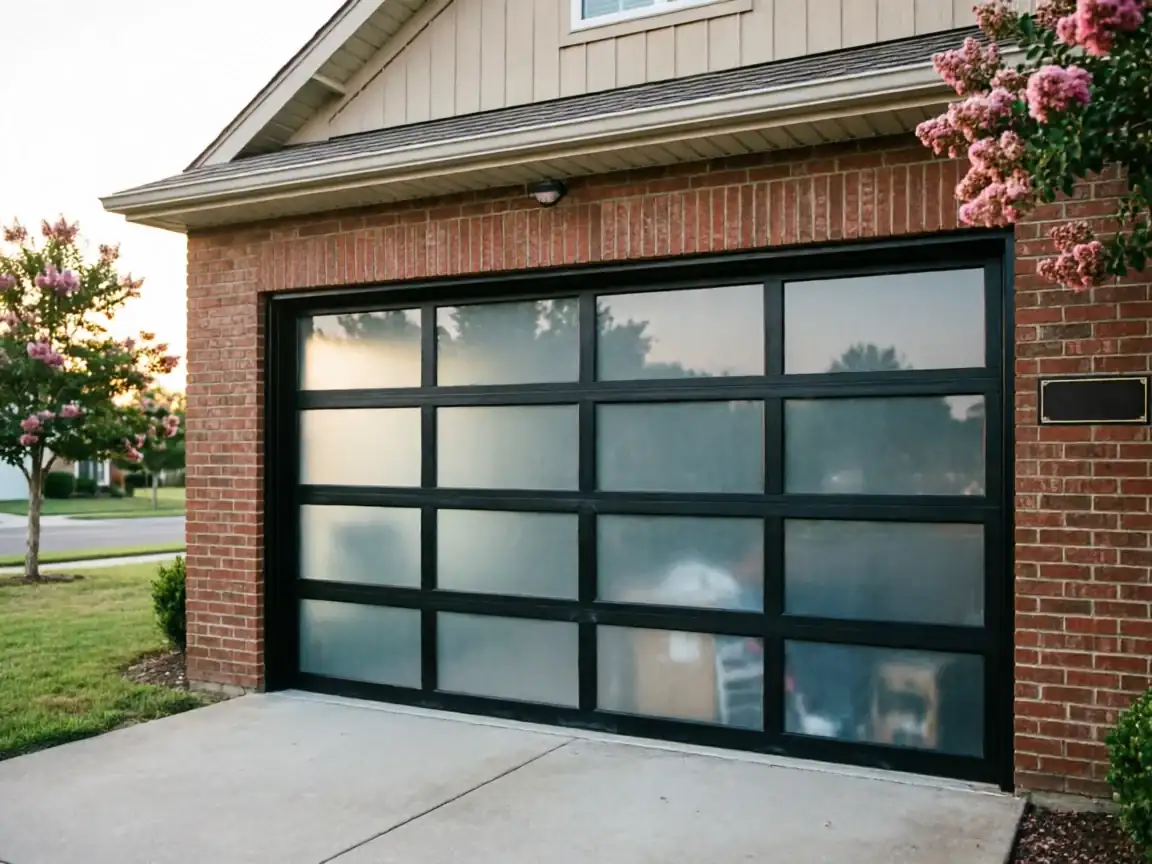
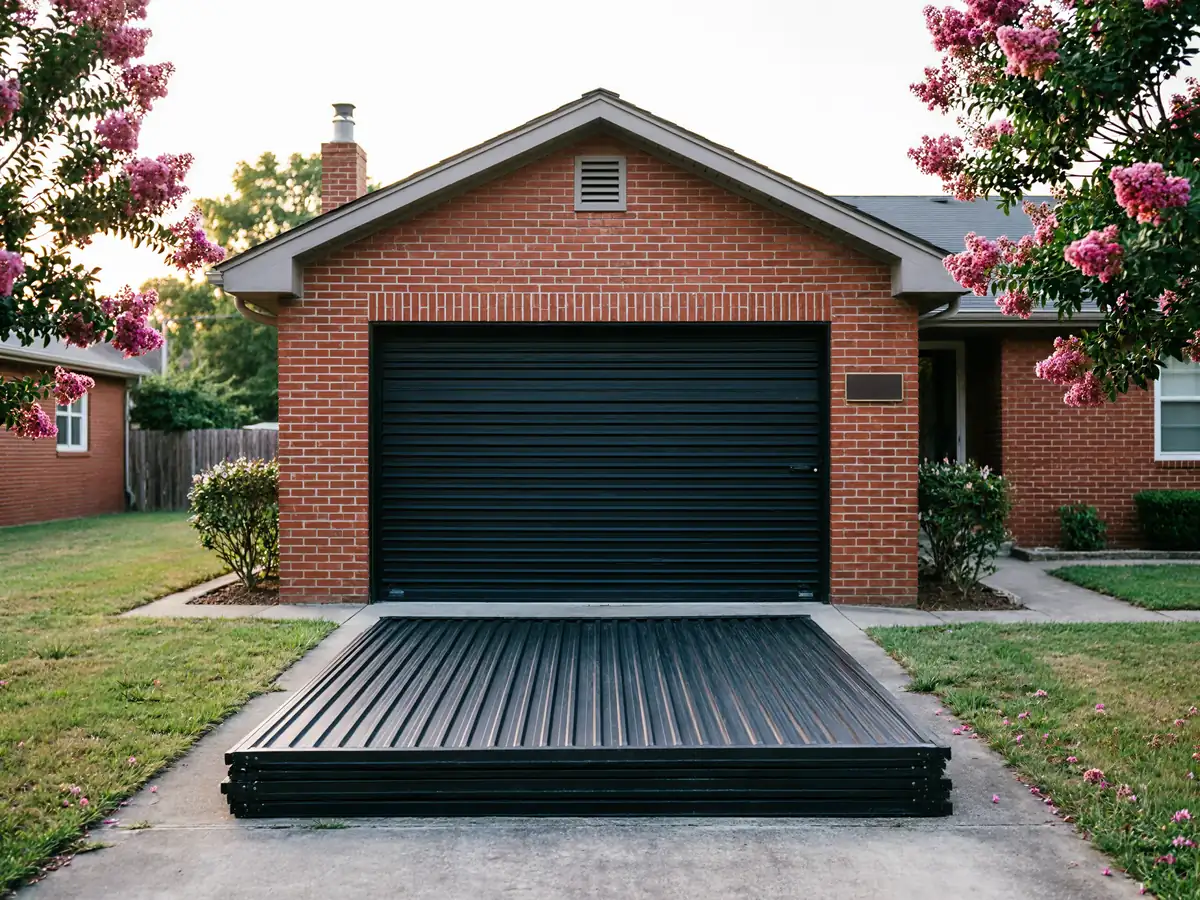
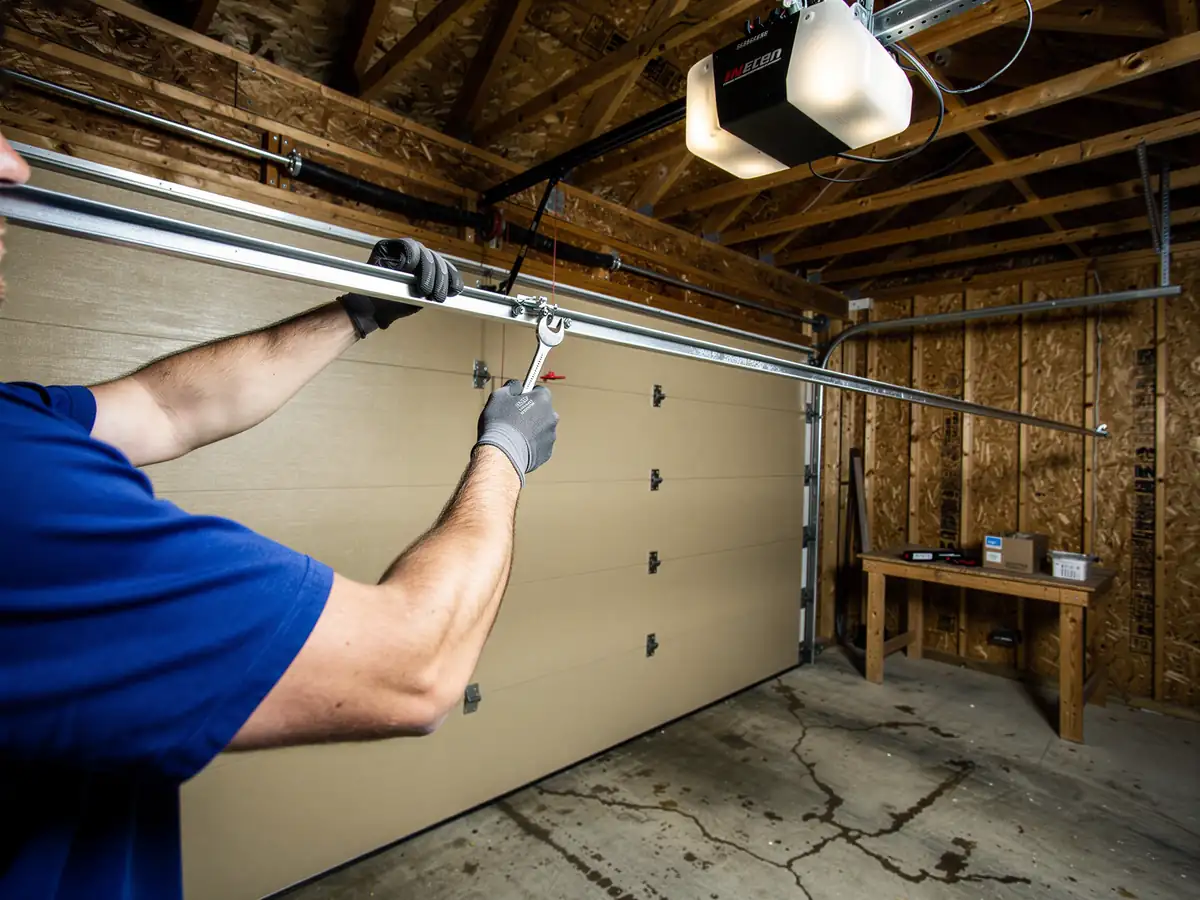
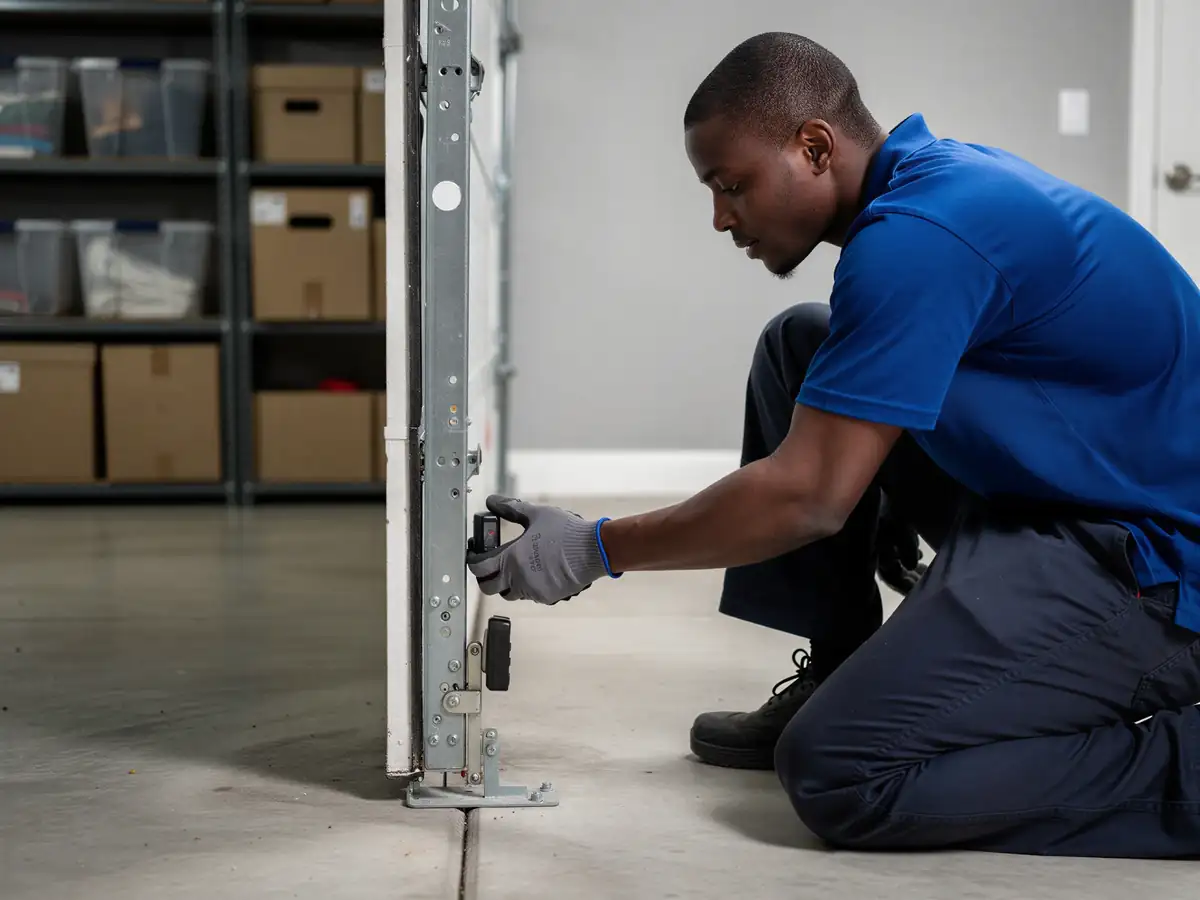
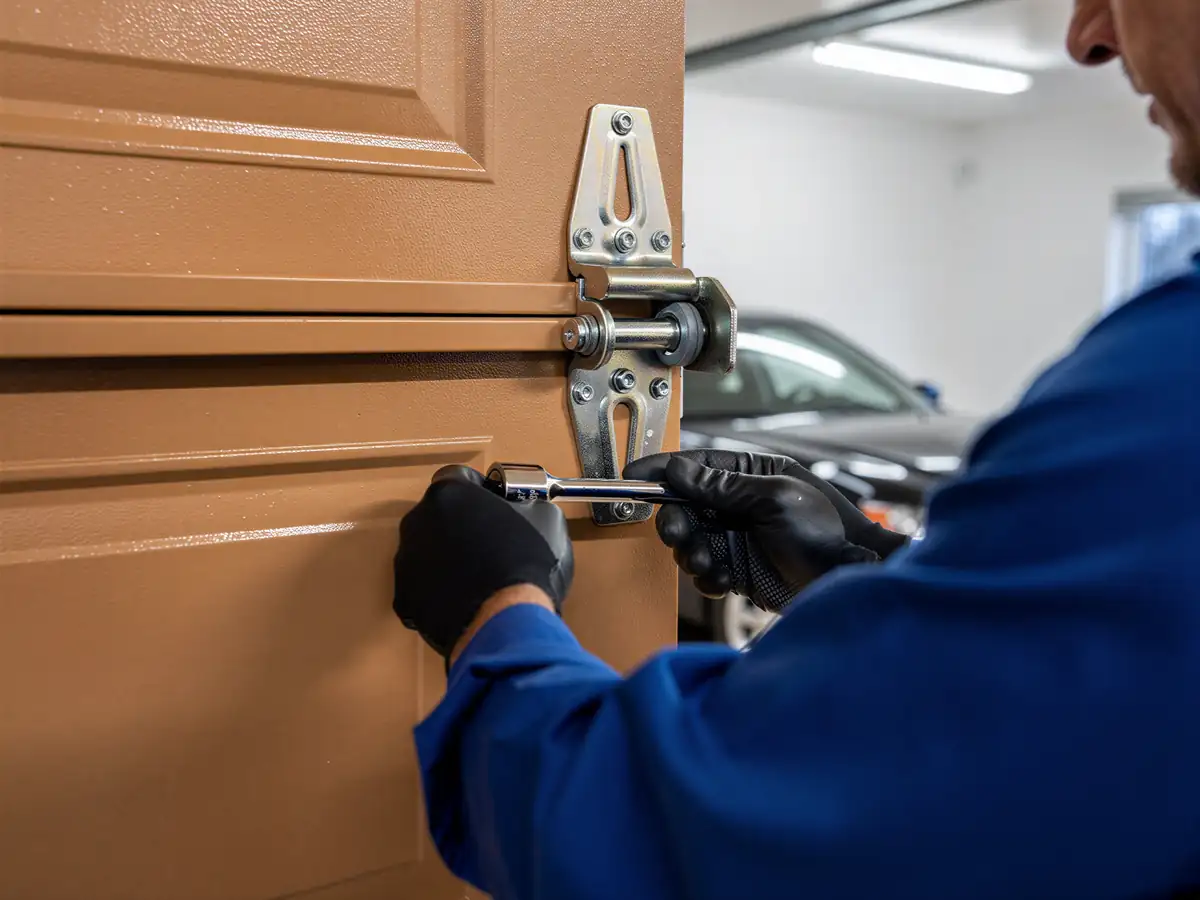
On a newer build, the failure that trips people up isn't the spring - it's the safety sensors. Doors built after the early 1990s are required to have photo-eye reversal sensors, and on a 2010-era Manvel install those sensors are usually low to the slab, which means they get bumped, misaligned, or coated in dust faster than homeowners expect. A door that won't close, or closes and immediately reverses, is very often a sensor problem, not a motor problem - but people assume the opener is dying and replace it before anyone's checked the eyes. The other spot this goes wrong: newer steel sections dent instead of splitting, so a car bumper tap can bend a panel without anyone noticing until the track binds weeks later. With Manvel's mild climate and occasional freeze, metal doesn't swell the way wood does elsewhere, so temperature isn't usually the culprit here - it's almost always alignment or impact.
The DIY Question
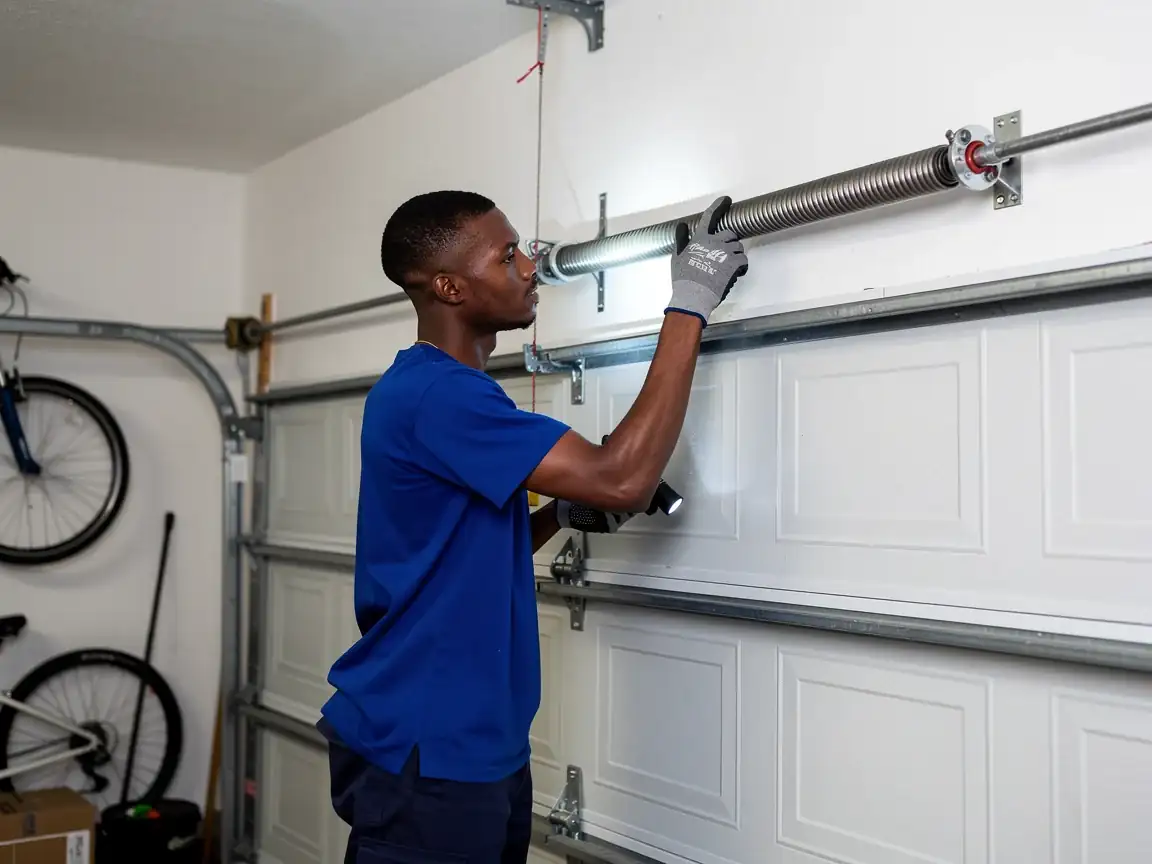
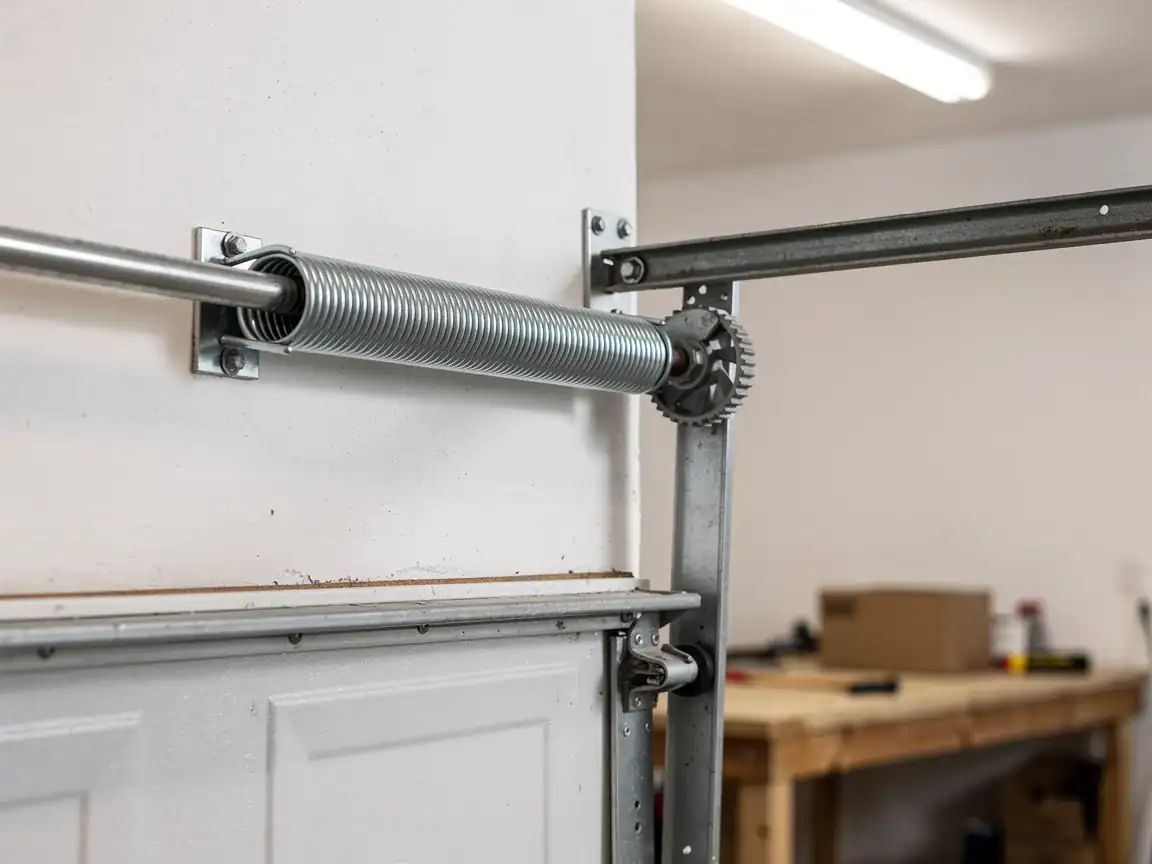
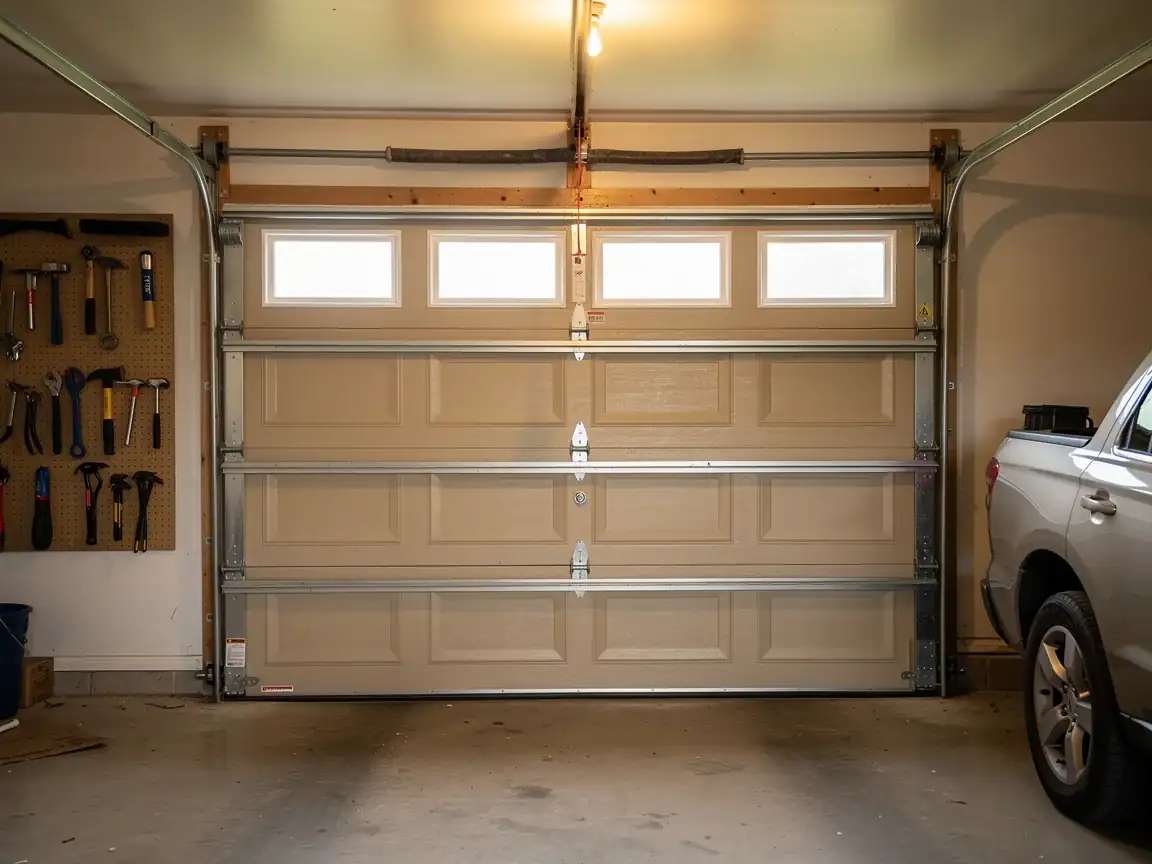
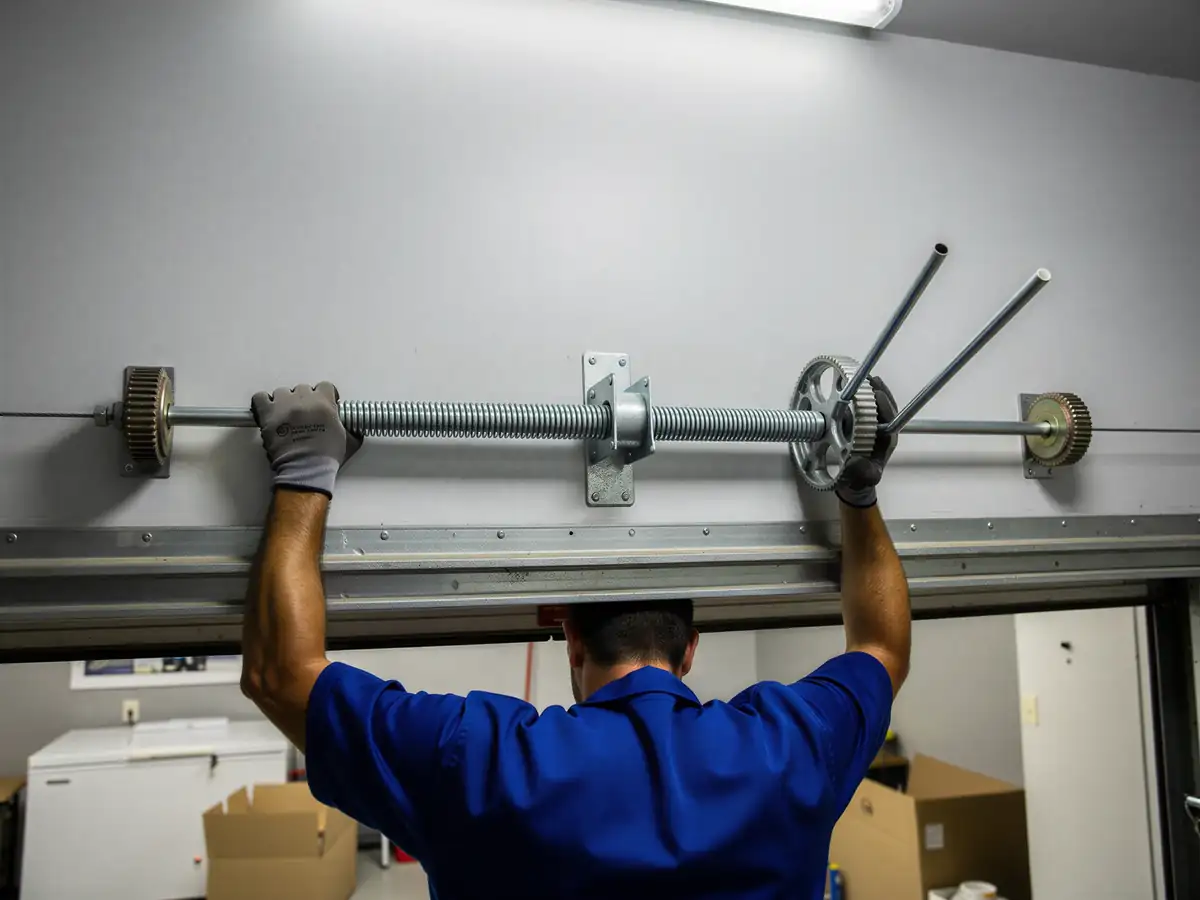
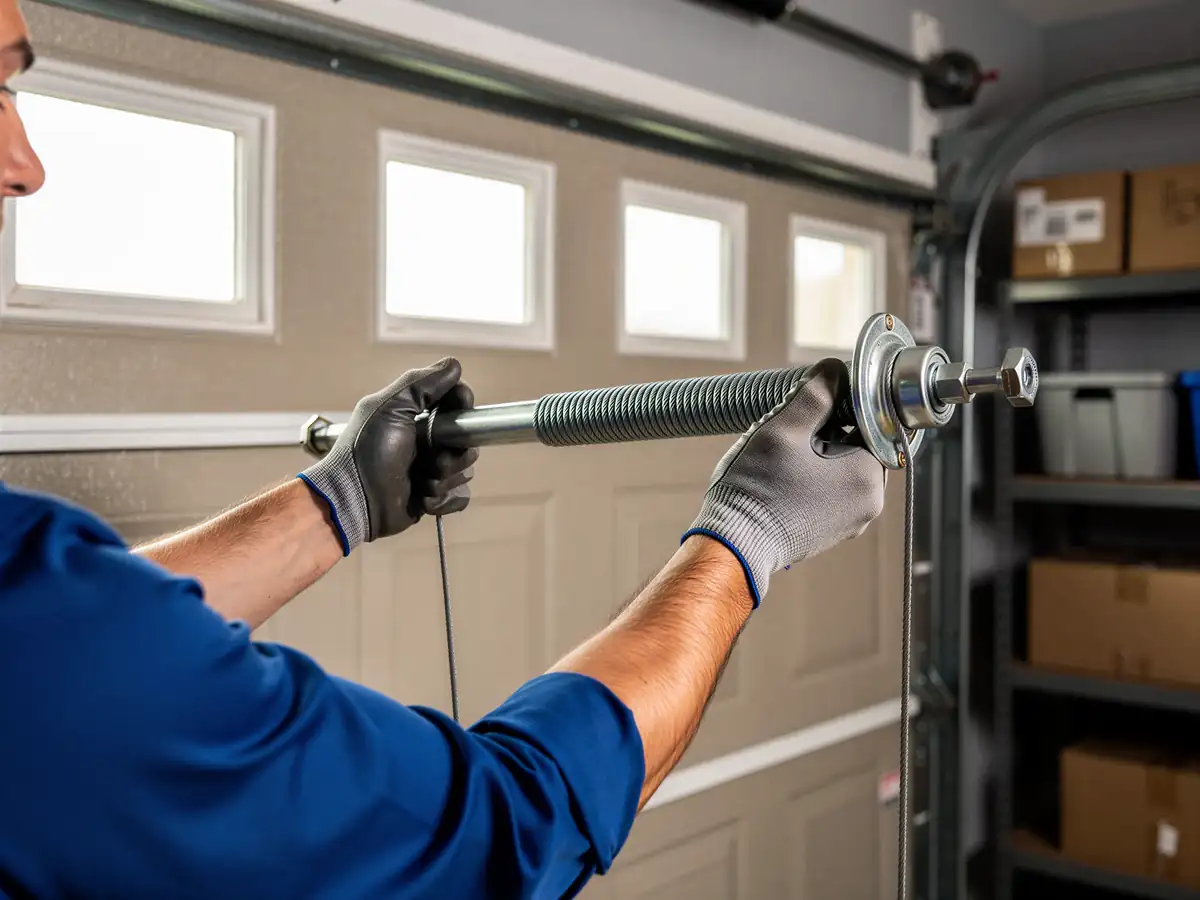
A torsion spring under tension is not a DIY repair, full stop, regardless of how new or old the door is - that part doesn't change with build year. What you can reasonably check yourself on a newer Manvel door: clean the photo-eye lenses with a soft cloth, confirm both sensors have a solid LED light, and check that nothing's blocking the beam path near the floor. If the door reverses before it fully closes, that's almost always a sensor or track alignment issue you can diagnose by eye before calling anyone. What you shouldn't touch: the spring, the cables, or anything that requires taking tension off the torsion bar. We'll say plainly that if a door is still within its first decade and under warranty from the builder or installer, it's worth checking that paperwork before paying for a service call - some of what looks like a repair job is still covered.
How It Shows Up
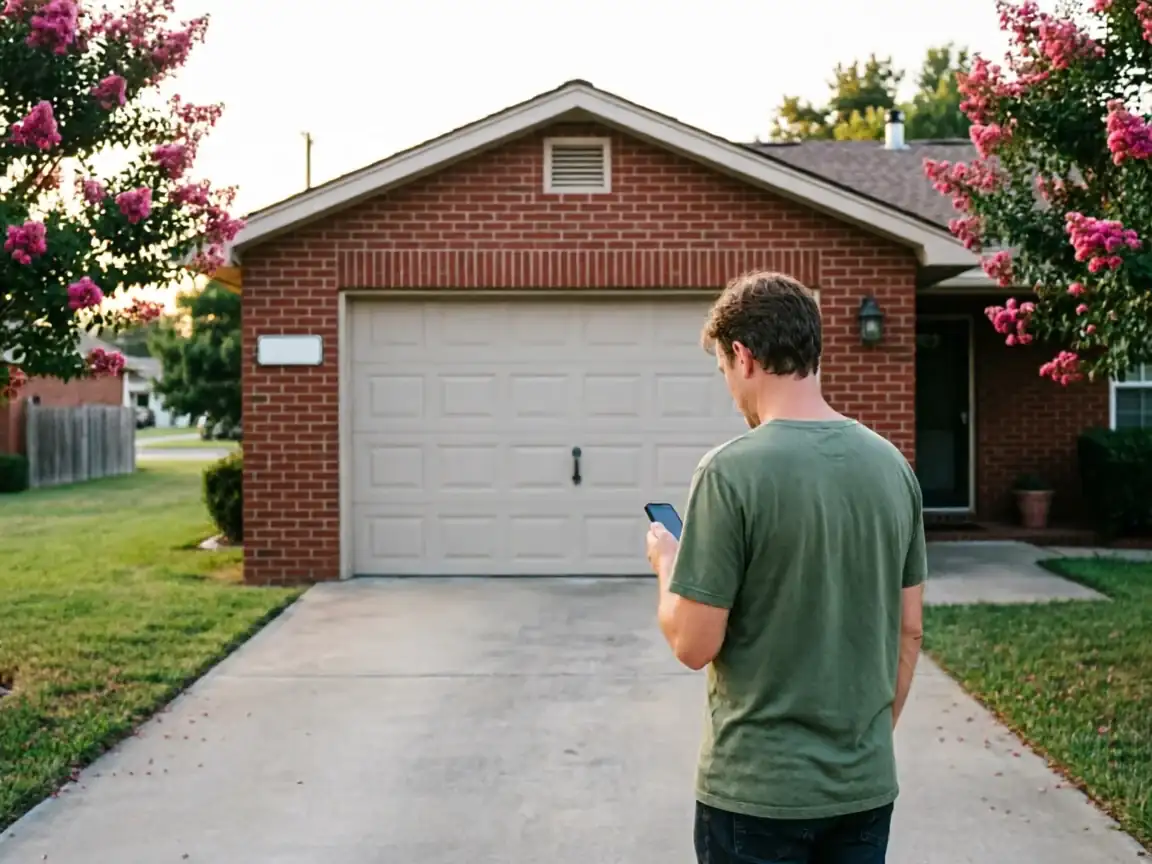
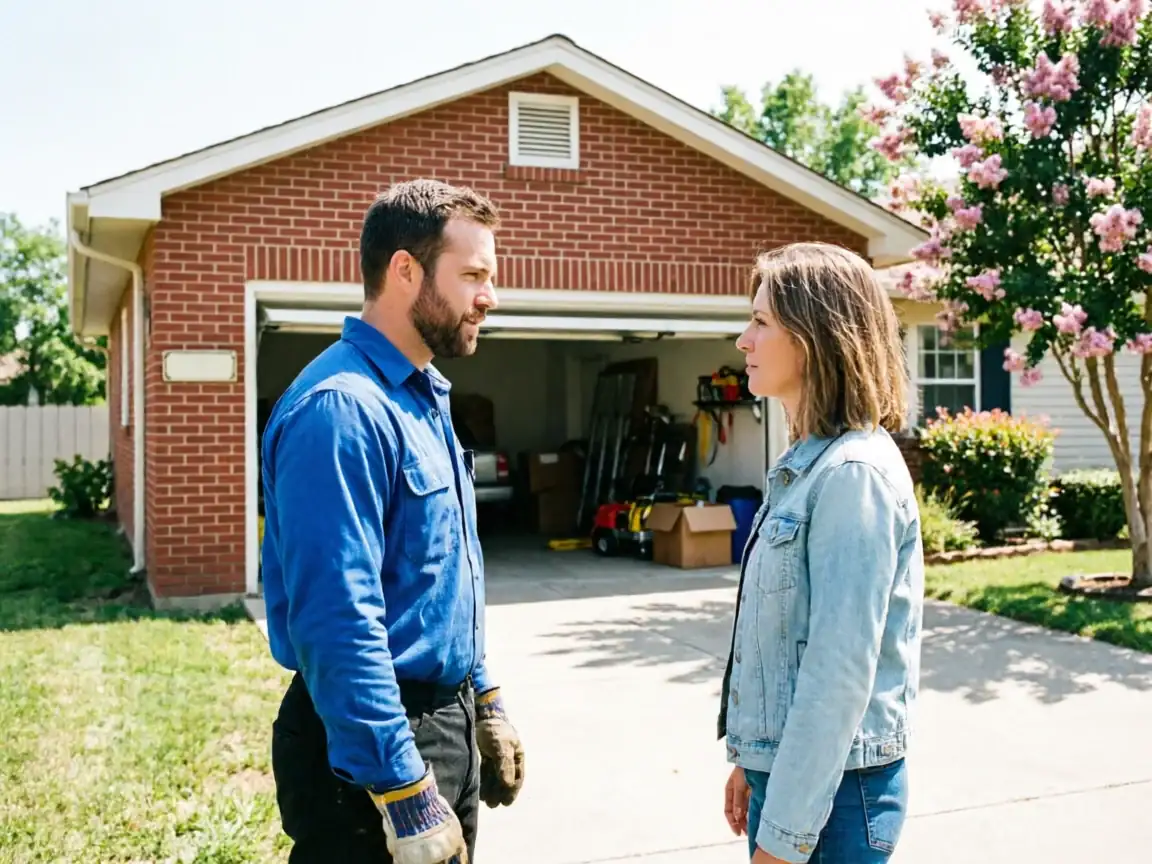
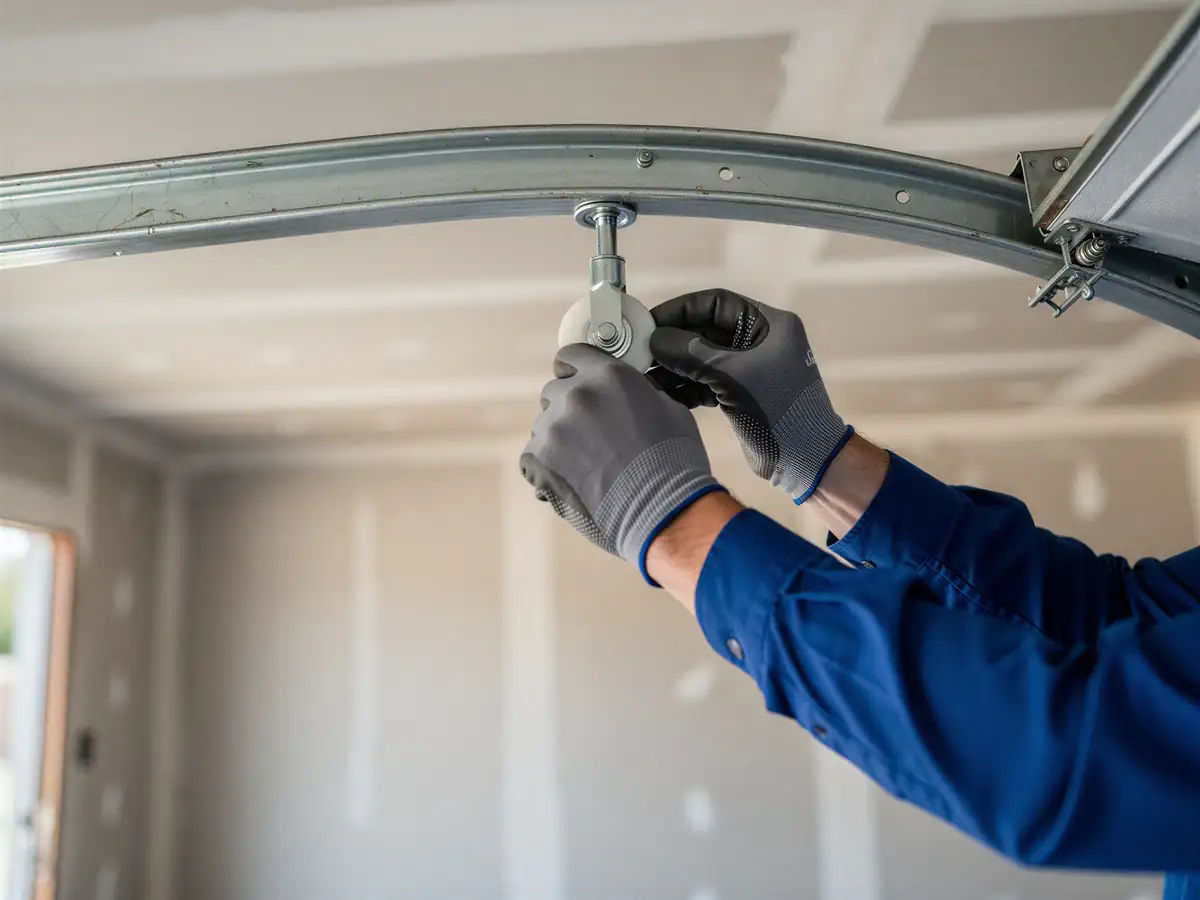
In a neighborhood built mostly in the last 15 years, the calls we get tend to cluster: opener remotes that stop pairing after a power blip, sensors that drift out of alignment after a season or two, and the occasional bent track from a car door or bike leaned against it. What we don't see as much here, compared to older sections of the service area, is the brittle 30-year-old spring snapping cold on a winter morning - Manvel's housing just hasn't been standing long enough for that kind of wear yet. That's good news in one sense: newer doors are more forgiving and cheaper to keep running. It also means when something does fail here, it's usually something installed to meet a code the older stock never had to meet, which is its own kind of fix.