Maintenance · Santa Fe
Garage Door Maintenance for Santa Fe's 1991-Era Garages
Most Santa Fe garages went up around 1991 - original rollers and cable are 30+ years old. Alvin Garage Door Pros drives 8 miles out for tune-ups that catch wear before it fails.
Time on the Job
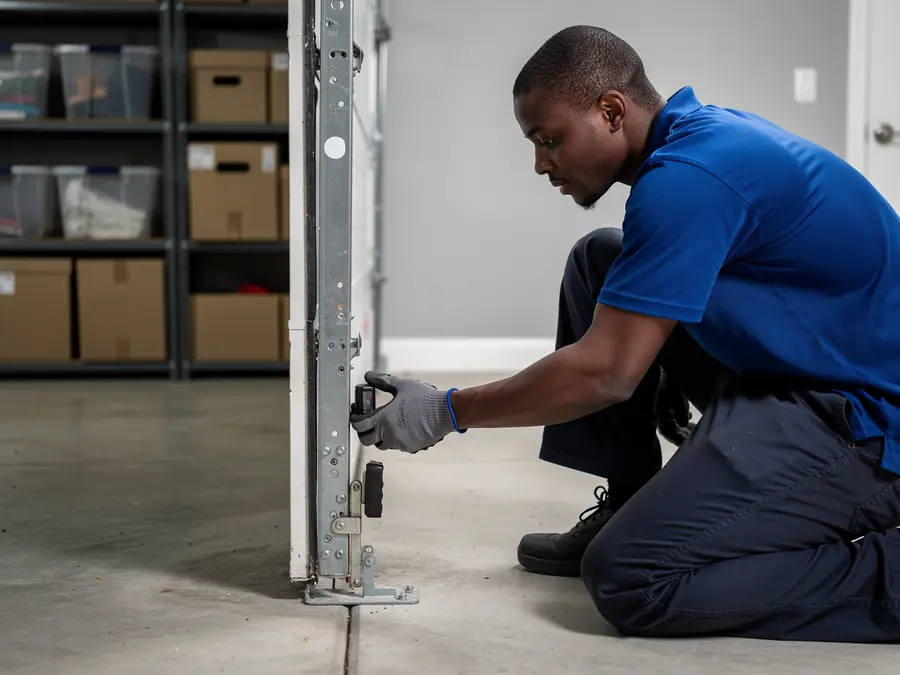
The median house in Santa Fe was built around 1991, which means a lot of garage doors here are still running the hardware that came with the house. Nobody replaces rollers or hinges on a schedule - they get swapped when something breaks, and plenty of these doors haven't broken yet. That's not luck, it's just galvanized steel doing its job slowly, loudly, and with more friction every year. A maintenance visit on a door this age is less about inspection for its own sake and more about finding the one part that's about to go before it takes the opener motor or a cable with it. We're coming from Alvin, about 8 miles out, so this isn't a drive-by - we plan the visit to actually look at everything: springs, cable condition, track alignment, the opener's force settings, and whatever hardware is original versus whatever got replaced in a prior repair. On a 30-year-old door, half the value of the visit is just finding out what's original and what isn't.
The Cost of This Job
We don't have a flat number to post for a Santa Fe maintenance visit - it depends on what we find once the door's open, whether the opener needs reprogramming, and how much the springs have drifted out of balance. What we can say is that this area's households skew higher income than some of the surrounding suburbs - median household income here runs around $95,815 - and that usually means homeowners catch problems earlier and pay for a tune-up instead of a full spring replacement later. A maintenance call is cheaper than an emergency call, and it's a lot cheaper than replacing a door that a worn-out roller finally tore off its track.
The DIY Question
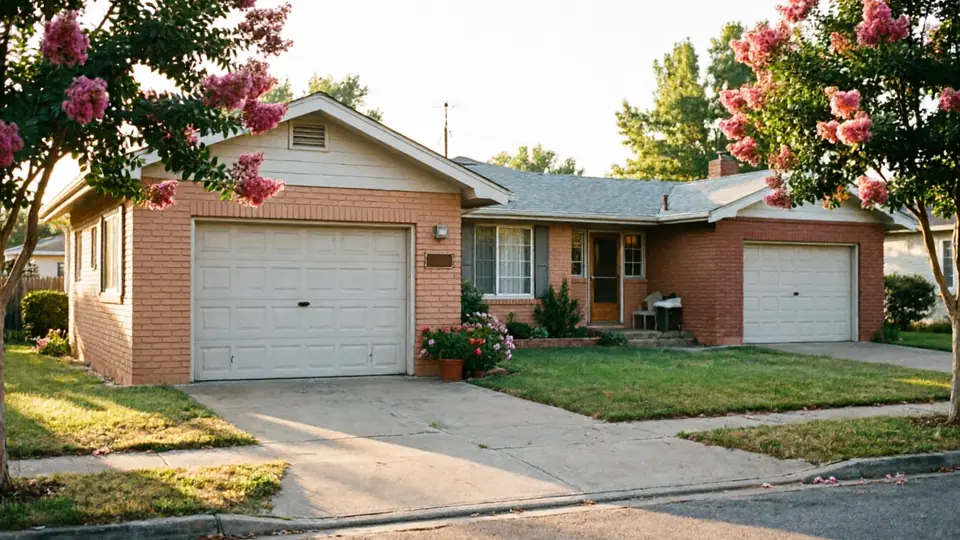
Lubricating hinges and rollers is fine to do yourself, and if your door's been quiet about it, keep doing it twice a year. What you shouldn't touch is the torsion spring or anything under tension - that's true everywhere, not just here, but it matters more on a 1991-build door because the spring has had three decades to fatigue and nobody can tell from looking at it how close it is to failing. You also can't safely judge opener force settings by feel; too tight and it'll crush something, too loose and it'll reverse on a cold morning for no reason you can see. If your door is original to a house built in the early '90s and it's never had a spring replaced, that's not a DIY spring job waiting to happen - that's a call.
What the Repair Takes
A maintenance visit on a door this age runs through the same list every time: check spring tension and look for gap or rust at the coils, check cable fraying at the drum, check roller wear (steel rollers from 1991 construction wear louder than the nylon ones that replaced them), check track bolts for looseness, and check the opener's auto-reverse and force settings against current safety expectations. If the door still has its original hardware, that's useful information on its own - it tells us how much life is left versus how much has already been quietly replaced piece by piece over the years. We also check the bottom seal, which on a door this age has usually hardened and cracked even if nobody's noticed.
Where This Job Goes Sideways
The usual surprise on a Santa Fe maintenance call is finding a spring that's already past its rated cycle count but hasn't failed yet - it's just gotten quieter and slower, which homeowners read as the opener aging rather than the spring. The other one: an opener that was added or replaced sometime after the house was built in 1991, paired with original track and rollers that were never upgraded to match. That mismatch shows up as grinding or binding that looks like an opener problem but is actually a hardware-age problem. We'll tell you straight when the fix is a $20 part and when it's time to think about the door itself instead of patching around it - not every door built in this era is worth saving once the track's warped.
Stocked Parts
We carry the rollers, cable, and standard torsion springs that fit the sizes common on houses built through the 1990s, which covers most of what we find in Santa Fe. What we don't keep on the truck is anything specialty - odd-width track, obsolete opener control boards, or hardware from a custom install. If a part isn't something we stock, we'll tell you upfront rather than stringing out the visit, and we'll let you know what the wait looks like before we order it.
FAQ
Questions about this
How old is the hardware on a typical Santa Fe garage door?
The median home here was built around 1991, so a door that's never had a repair is likely running 30-plus-year-old springs, rollers, and cable. None of that is necessarily failing, but it's well past the point where a maintenance check is worth more than it costs.
Does Alvin Garage Door Pros have a branch in Santa Fe?
No. We're based in Alvin, about 8 miles away, and drive out for scheduled maintenance and repair calls. We don't keep a local depot in Santa Fe, so visits are planned rather than walk-in.
Is it worth maintaining an old door instead of replacing it?
Usually, yes, if the track is straight and the panels aren't damaged - most of the wear on a 1991-era door is in the moving hardware, which is replaceable. If the track itself has warped, maintenance won't fix that and replacement becomes the better math.
What parts do you carry on the truck for this area?
Standard rollers, cable, and torsion springs sized for the construction common through the 1990s, which covers most Santa Fe garages. Specialty track or obsolete opener boards usually have to be ordered.
Tell us what your door is doing.
We serve Alvin, TX and nearby communities. Every job starts with a diagnosis, so you know what failed before any work begins.