Opener Installation · Santa Fe
Garage Door Opener Installation for Santa Fe Homes
Opener installs for Santa Fe's 1991-era steel sectional doors - chain-drive upgrades, safety sensor retrofits, and parts that fit the hardware this area actually has.
Time on the Job
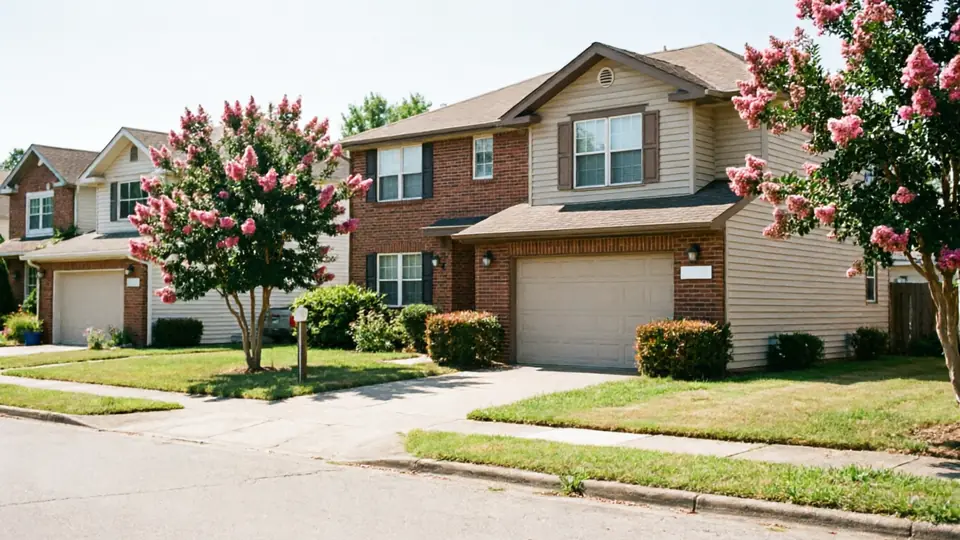
Most of the openers we pull out of Santa Fe garages are original to houses built around 1991 - chain-drive units bolted to a steel sectional door with no rolling-code chip and sensor eyes that were an afterthought add-on, not a factory feature. Swapping that for a current belt or chain-drive unit is usually a two-to-three hour job once we're on site, longer if the old rail bracket is rusted into the header or the door itself needs a spring adjustment to balance correctly with the new unit. We drive the eight miles out from Alvin with the opener, rail, and standard hardware already on the truck, so the job itself doesn't start with a parts run. What it does sometimes start with is cutting an old travel limit switch off a header bracket that was never meant to come off clean.
The Cost of This Job
Santa Fe's median household income runs higher than the broader service area's $85,730 figure, and that shows up in what people ask for - more households here specify a belt-drive unit for the quiet, or a battery backup model, rather than taking the cheapest chain-drive on the shelf. We don't have a posted price list here, and I'm not going to invent one. What I can tell you is the swap itself, labor and a mid-grade opener, is a smaller bill than most roof or foundation work, and it's one of the few garage repairs where paying for the better unit upfront usually means you're not back on this list again in five years.
The DIY Question
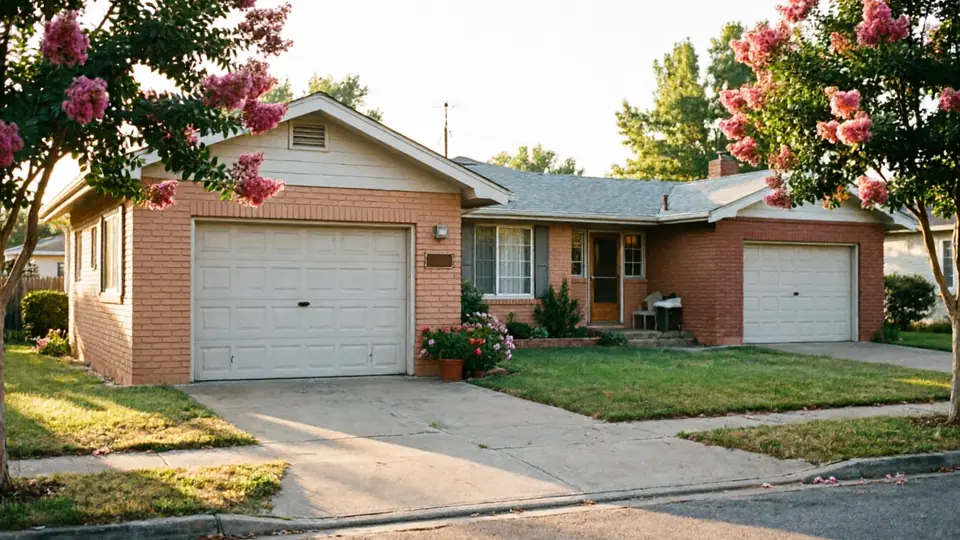
A lot of these 1991-build openers were installed before smart-home tie-ins existed, so homeowners sometimes try to retrofit a new unit onto the old rail to save the cost of swapping both. It can work. It also means fighting a rail that was sized for a different motor housing, and a safety sensor bracket position that doesn't match the new unit's wiring harness. If you're comfortable running a ladder and reading a wiring diagram, the opener itself isn't the hard part - getting the travel limits and door balance set so the unit doesn't strain against a door that's heavier than it was built for is where most DIY installs go wrong. We'll say plainly: if the door's spring is already marginal, replacing the opener alone won't fix the real problem.
What the Repair Takes
On a straight swap, we're pulling the old unit, rail, and wall control, checking the door's spring tension (a lot of these doors have never been rebalanced since 1991), then mounting the new opener, rail, and safety sensors to current standard - low enough to catch a kid's bike, not just a car bumper. Santa Fe's climate band runs mild with occasional freeze, which doesn't do much to a steel door panel, but it does mean the nylon rollers and chain lubrication on a 30-year-old unit are usually dried out rather than rusted. We test the auto-reverse function before we leave, every time, no exceptions - it's the one safety check that actually matters on an opener install.
Where This Job Goes Sideways
The install goes sideways when the door itself is the real problem and the opener was just the symptom. A door that's out of balance, with a spring rated for a lighter panel than what's actually hanging on it, will burn out a brand-new opener in under a year - we see this on original 1991-era steel doors more than anything else. The other spot it goes wrong is wiring: houses from this era sometimes have the wall control run on old low-voltage wire that wasn't rated for today's units, and splicing a new opener onto it is a shortcut that trips again in six months. We'd rather tell you that up front than hand you a working opener and a door that fails anyway.
Stocked Parts
We carry standard chain and belt-drive openers, rail kits, wall controls, and safety sensor sets on the truck for the eight-mile run out from Alvin, which covers most Santa Fe jobs without a second trip. What we don't stock is anything specialty - a commercial-grade unit or an odd rail length for a non-standard door width falls under a lead-time order, and we'll tell you that cost and wait time before we start, not after. For houses still running the original 1991 door and track hardware, the opener side of the job is usually the easy half.
FAQ
Questions about this
Will a new opener work with my original 1991 garage door?
In most cases yes, as long as the door's spring is still balanced correctly for its weight. If the door is hard to lift by hand, the spring needs attention first - a new opener bolted onto an unbalanced door just wears out faster and won't fix the underlying issue.
Do you carry opener parts on the truck, or is there a wait?
Standard chain and belt-drive units, rails, wall controls and safety sensors are stocked for the run out from Alvin. Specialty units or non-standard rail lengths require a lead-time order, which we'll quote before starting the job.
How long does an opener swap take once you're on site?
A straight swap on a standard door usually runs two to three hours. It takes longer if the old rail bracket is corroded into the header or if the door needs rebalancing before the new opener can be tested properly.
Can I install a new opener on my own rail and bracket?
Sometimes, but the rail and motor housing have to match. A lot of 1991-era setups were built for a different mount than current units use, and forcing a new opener onto an old rail is where most DIY installs run into trouble.
Tell us what your door is doing.
We serve Alvin, TX and nearby communities. Every job starts with a diagnosis, so you know what failed before any work begins.